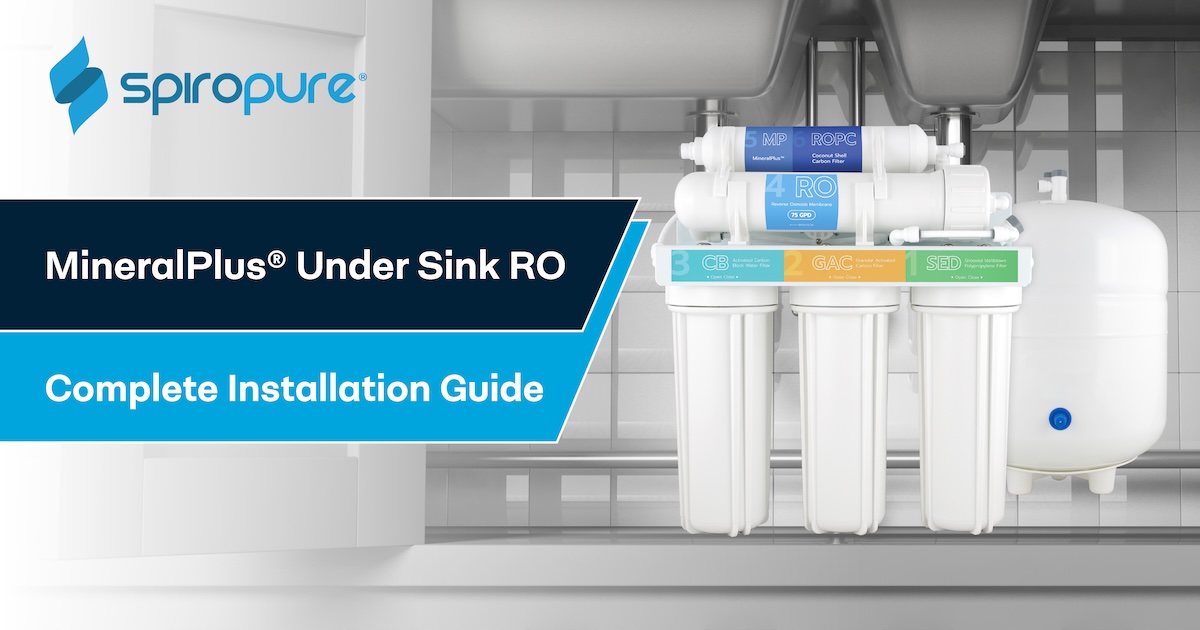
How to Add an External Fridge Filter to Your Refrigerator
 Andrew
August 03, 2026
#externalfridgefilter
#inlinefilter
#refrigeratorwaterfilter
#reverseosmosis
Andrew
August 03, 2026
#externalfridgefilter
#inlinefilter
#refrigeratorwaterfilter
#reverseosmosis

- Explain two ways to add water filtration to refrigerators without built-in filters
- Walk through inline filter installation for basic carbon filtration and RO splitter setups for premium filtered water
- Share what additional components you might need for optimal performance at your fridge.
Adding an Inline Filter to Your Refrigerator
If your refrigerator has a water line servicing a dispenser or ice maker filter but no built-in filter, adding an external fridge filter takes about 15 minutes if you can easily access the water lines. Inline water filters install directly in the quarter-inch water line between your cold water supply and refrigerator inlet.
The installation is straightforward: turn off the water supply, cut the existing line (have a bucket ready), and insert the inline filter housing using compression fittings or push-to-connect adapters. These filters use activated carbon to reduce chlorine, improve taste and odor, and remove some sediment. Some models have remineralization to further improve taste. Inline filters are ideal for basic water quality improvements without major plumbing changes.
Most inline filters need replacement every 6–12 months depending on water quality and usage. They're the most cost-effective way to add water filters to refrigerator systems, typically costing just a few dollars for quality aftermarket options.

Upgrading to RO: The Splitter Method
For those wanting premium filtered water at the fridge, connecting an existing reverse osmosis system delivers dramatically better results. Reverse osmosis can remove up to 99% of impurities including dissolved solids, and systems with remineralization add beneficial minerals back for improved taste.
The RO splitter method involves installing a T-fitting on the line between your RO system and dedicated faucet, then running quarter-inch tubing to your refrigerator. This creates a second outlet for your purified water without affecting the main faucet. Many kits include a simple shut-off valve for the second line, and you may need kits with 3/8" to 1/4" adapters if your RO system uses 3/8" filtered water tubing.
However, there are a couple potential hurdles: water pressure and flow. Traditional RO systems with 3.2-gallon storage tanks provide only 7–10 PSI of pressure. If your refrigerator sits more than 15–20 feet from the RO system, you may experience slow ice production or weak dispenser flow. Solutions include adding a small pressure tank (0.25–1 gallon) near the refrigerator to maintain consistent pressure, or installing a larger secondary storage tank if space allows.
Tankless RO systems like the SpiroPure SP-RO1000TL eliminate this issue entirely. With built-in booster pumps producing continuous flow at 0.68 GPM, tankless systems typically handle refrigerator connections without additional pressure tanks, making them ideal for homes with high water usage or multiple filtered water outlets.
Choosing Your Solution
Your decision depends on existing infrastructure and water quality goals. An external fridge filter using an inline cartridge works perfectly for older refrigerators with water or ice lines but lacking basic filtration. For an upgrade, the RO splitter method suits homeowners who already have an under sink reverse osmosis installed (or are thinking about getting one) and want that same premium water at the fridge.
Either way, you're upgrading from unfiltered tap water or expensive disposable filters to a more economical, effective water filtration system for refrigerator use that delivers cleaner water and better-tasting ice for years to come.
What is an external fridge filter and do I need one?
How do I add a water filter to my refrigerator?
What does an inline refrigerator filter actually remove?
Can I connect my refrigerator to a reverse osmosis system?
How often should an inline refrigerator water filter be replaced?
RELATED PRODUCTS
SpiroPure SP-IC100QC Inline Carbon Filter, 1/4" Quick-Connect, 2" x 10"
List Price: $9.44
Our Price: $4.72
Save: $4.72
SpiroPure SP-IC100 Inline Carbon Filter, 1/4" FNPT, 2" x 10"
List Price: $7.68
Our Price: $3.84
Save: $3.84

Reverse Osmosis Filters
Choose from Tankless RO, Traditional Tank RO Systems, Countertop RO, and more!
Enhanced RO Filters Most TDS!
Check Out Our Remineralization Options!