Filter Bags
At All Filters, we offer liquid filter bags in a wide range of micron ratings (filtration particle size) and all standard filter bag sizes (#1, 2, 3, 4) so you can find the perfect fit for your bag filtration system. Our most popular type of polypropylene filter bag is glazed polypropylene felt, which is among the best filter bags for water treatment due to its fine filtration capabilities and minimal shedding. You can also choose nylon monofilament mesh or polyester felt media replacement filters, which can both withstand demanding filtration conditions. Our water filtration bags provide heavy-duty filtration for oils, lubricants, organic solvents, paints, acids, alkalis, water, and more.
Size |
Rating |
SpiroPure |
Pentek |
|
|---|---|---|---|---|
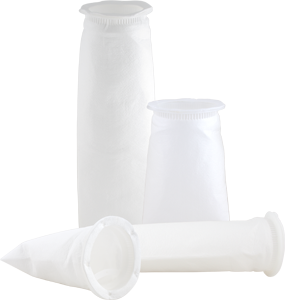
BP Series |
#1 (7" x 17") |
|
|
|
#2 (7" x 32") |
|
|
||
#3 (4" x 9") |
|
|||
#4 (4" x 15") |
|
|||
BE Series |
#1 (7" x 17") |
|
|
|
#2 (7" x 32") |
|
|
||
#3 (4" x 9") |
|
|
||
#4 (4" x 15") |
|
|
||
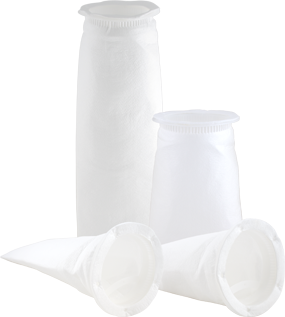
BN Series |
#3 (4" x 9") |
|
|
|
#4 (4" x 15") |
|
|
Shop Filter Bags by Material, Micron Rating and Size
Polypropylene, Polyester and Nylon Filter Bag Options
Different filter bag materials suit different applications. Generally speaking, polypropylene felt is a versatile, cost-effective choice for general water treatment and chemical processing. Polyester felt handles higher temperatures and offers broader chemical compatibility, making it useful for demanding industrial fluids. Nylon monofilament mesh provides a cleanable, reusable option with a consistent pore structure, well suited to high-flow applications where bags may be rinsed and reused rather than discarded after a single use. Matching a filter bag material to your previous model or specific fluid, temperature, and flow requirements helps you achieve expected performance.
Filter Bag Sizes for Compatible Housings
Filter bags must match your existing housing exactly, not just approximately. Standard sizes #1, #2, #3, and #4 differ in both diameter and length, and each housing is designed around one specific size. Before ordering, confirm your housing's size against the filter dimensions to avoid a bag that doesn't fit. SpiroPure filters aim to meet the performance of original equipment manufacturer (OEM) products.
Micron Ratings for Sediment and Particle Removal
Micron rating determines how fine a particle a filter bag captures. Lower micron ratings, generally under 10 microns, capture very fine sediment and particles but load with debris faster, shortening service life under heavy particulate loads. Higher micron ratings, from 25 microns up to 800, handle coarser sediment and heavier debris loads with longer intervals between changes. Matching micron rating to your actual water quality and usage, rather than defaulting to the finest option available, balances filtration performance against how often you'll need to replace the bag.
How to Choose the Right Filter Bag
Match the Filter Bag to Your Housing Size
Filter bags aren't universal. Check your housing's size (#1 through #4), bag length and diameter before ordering to make sure the bag will seat properly in the housing. Taking a minute to confirm these details against your existing housing or previous bag filter labeling keeps your systems operating.
Choose the Micron Rating Based on Water Quality
Coarse filtration, with higher micron ratings, works well for larger sediment and debris common in pre-filtration stages. Finer ratings target smaller particles for cleaner output but load faster and may reduce flow rate in systems not designed to accommodate the added resistance. Consider pairing a coarser upstream bag with a finer downstream bag if your system needs both broad debris capture and fine particle polishing. Consult your system manual or industrial supplier.
Select the Material Based on Application
Polypropylene, polyester, and nylon filter bags aren't necessarily interchangeable across every application. Water type, operating temperature, and chemical exposure all affect which material holds up best over time. Polypropylene filter bags suit general water treatment, polyester handles heat and chemical exposure better, and nylon mesh offers a reusable, cleanable option for high-flow processes. Choosing based on your actual operating conditions, not just cost, protects both filtration performance and equipment downstream. Chemical exposure, operating temperature, flow rate, and particle characteristics are critical factors. Some environments require additional material compliance in bag filters from specialized suppliers, such as food, beverage, and pharmaceuticals.
Why Buy Filter Bags from All Filters
Find the perfect filter bags for water with the right micron ratings from our large selection of high-quality filters. Simply refer to our user-friendly cross-reference chart to find the ideal filter bags that fit your system. If you're building out filtration beyond bag housings, browse our full range of replacement filters and water filtering systems. Our friendly customer service team is available 7 days a week if you need further assistance. You can also set an email reminder when it’s time to replace your filter, and you’ll receive a notification for your next filter replacement date.
