The Best Filtration for Indoor Agriculture: A Guide to CEA and Hydroponics Water Filters
 Andrew
August 19, 2026
#cannabiscultivation
#carbonfilter
#CEA
#chlorine
#greenhouse
#indooragriculture
#reverseosmosis
#waterfilters
Andrew
August 19, 2026
#cannabiscultivation
#carbonfilter
#CEA
#chlorine
#greenhouse
#indooragriculture
#reverseosmosis
#waterfilters
- Explain why water quality is critical for controlled environment agriculture and how different contaminants impact crop health.
- Compare basic filtration approaches for greenhouses versus advanced RO systems for commercial operations.
- Show you where compatible replacement membranes and filters can reduce your operating costs without compromising performance.
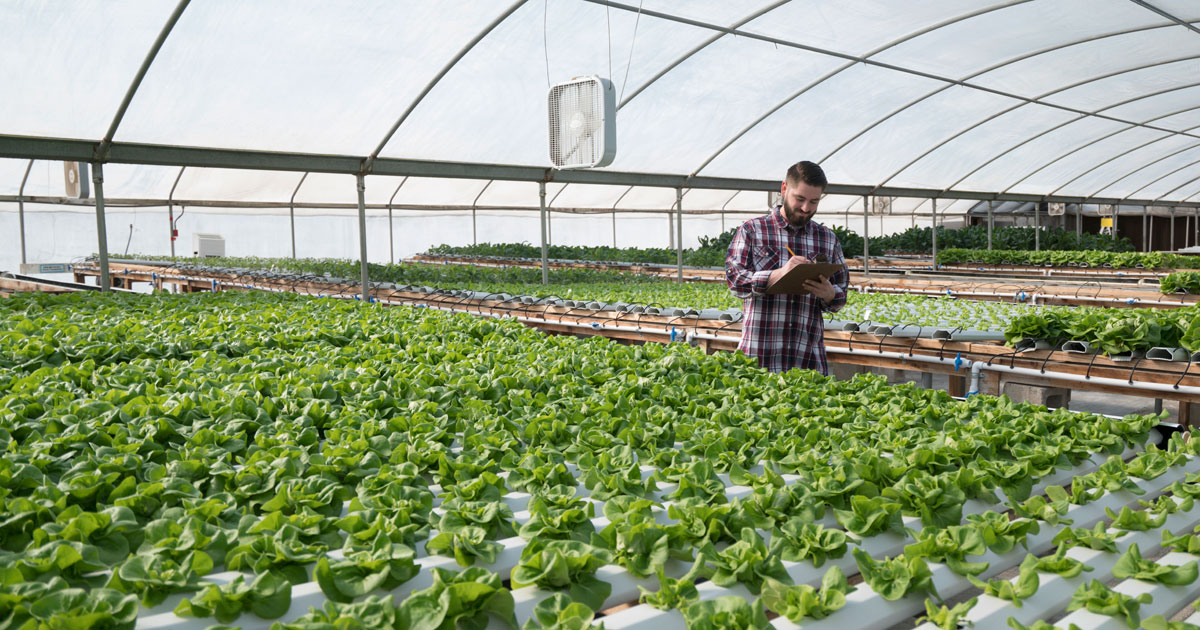
Whether you're operating a greenhouse tomato farm, a vertical leafy greens facility, or a commercial cannabis cultivation, one factor remains constant across almost every successful indoor agriculture operation: water quality.
Controlled environment agriculture (CEA) is an umbrella term that includes greenhouses, indoor vertical farms, and hydroponic operations. In CEA, environmental factors like temperature, humidity, light, and water delivery are precisely monitored and optimized for crop growth.
Unlike traditional farming in the unpredictable great outdoors, indoor agriculture systems (to varying degrees of precision) protect crops from adverse weather and pests while managing resource efficiency. Among all these controlled variables, water quality stands out as a foundation of successful cultivation, directly impacting nutrient absorption, disease prevention, and ultimately, crop yields.
Understanding this industry landscape helps us serve growers who face a common challenge: balancing the need for high-quality water filtration with the reality of tight operating margins.
Water Quality Targets for Indoor Agriculture
In hydroponic systems, where plants grow without soil and rely entirely on nutrients delivered in water solutions, every dissolved solid and contaminant matters. The absence of soil means plant roots are directly exposed to whatever's in your water supply, making water filters not just beneficial but essential.
Major filtration targets in CEA operations:
- Chlorine and chloramines: Municipal water treatment chemicals that can damage beneficial microbes and stress plant roots
- Total dissolved solids (TDS): Excess minerals that interfere with precise nutrient formulations
- Hardness minerals: Calcium and magnesium carbonates that can cause scaling in irrigation lines
- Heavy metals: Arsenic, lead, iron, and copper that can accumulate in plant tissues
- Sodium, sulfate, and nitrate: Elements that become toxic at elevated concentrations
- Sediment and organic matter: Particles that clog drip emitters, microtubes, and irrigation equipment
- Pathogens: Bacteria, algae, and fungi that spread disease in recirculating systems
A facility's water source dramatically affects which contaminants it deals with. Municipal water typically contains treatment chemicals and consistent mineral content but relatively few pathogens. Well water from groundwater aquifers often has higher TDS, iron, and hardness and may contain agricultural runoff and other chemicals, but no added treatment chemicals. Some advanced operations even use treated wastewater or secondary water sources, which require the most aggressive filtration approaches.
A laboratory water analysis is always the best starting point to finding the right hydroponic water filter or greenhouse filtration design. It reveals exactly what you're working with and helps you avoid expensive over-engineering or, worse, inadequate filtration that compromises your entire operation.
Choosing Your Filtration Approach
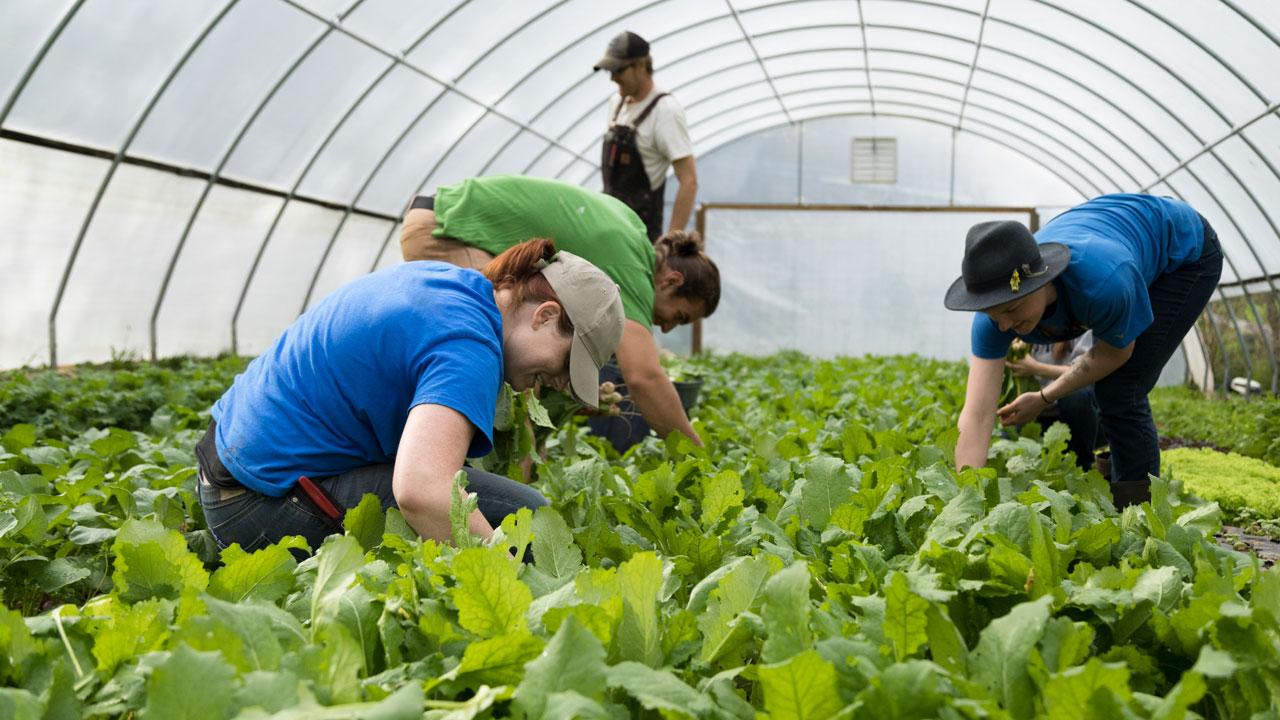
The complexity of your filtration system should match your cultivation method and source water quality. A small greenhouse growing tomatoes in substrate growth medium with relatively clean municipal water has different needs than a commercial vertical farm recirculating nutrient solutions through thousands of plants throughout the day.
Basic Filtration for Greenhouse Operations
Many greenhouse growers successfully operate with straightforward filtration: sediment filters to capture particulates, carbon cartridges to remove chlorine and improve taste, and 100–130 micron mesh screen filters installed on irrigation systems to catch any remaining particles and prevent clogging drippers and emitters.
For recirculating hydroponic systems like nutrient film technique (NFT) setups, bag filters suspended over return pipes capture organic matter such as old leaves and loose growing medium before it contaminates mixing tanks. These simple mechanical filtration steps prevent equipment clogs and reduce biofilm buildup in pipes and gullies, keeping systems cleaner with less maintenance.
This level of filtration works well when source water quality is already good and growers can tolerate some dissolved solids in their nutrient solutions. These simple setups can be relatively cost-effective and low-maintenance with good system planning. The automatic backwash versions will set you back more, but can become well worth the investment for greenhouse operations growing leafy greens, herbs, berries, and vine crops.
Advanced Filtration: Reverse Osmosis Systems
Commercial operations cultivating cannabis, high-value salad greens, or any crops requiring precise nutrient control almost universally rely on reverse osmosis. RO membranes remove up to 99% of dissolved solids, creating a blank slate that allows growers to formulate exact nutrient ratios without interference from unknown minerals in source water.
The RO process uses a semi-permeable membrane with pores equivalent to just 0.0001 microns. Pressure is required to achieve this filtration, or the water would just deflect off the membrane. High pressure forces water molecules through while leaving dissolved contaminants trapped on the other side. That "pure" water is why reverse osmosis water filter membranes in hydroponics are so valued.
But you can read more about the A to Z of reverse osmosis here or learn about industrial reverse osmosis technology here.
This level of filtration removes everything from heavy metals to volatile organic compounds (VOCs), ensuring optimal conditions for plant growth and protecting sensitive crops from contaminants that accumulate in tissues or trigger disease.
To do its job, RO requires proper pre-filtration. Sediment and carbon filters must remove particles and chlorine before water reaches the membrane, or you'll face fouling and premature membrane failure. For operations with heavily contaminated source water such as dam water, river water, or wells tapping aquifers with high organic loading, a backwashable media pre-filter made from gravel or sand may be necessary as a first stage to trap algae and larger organic particles.
UV Sterilization and Nanofiltration
Some sophisticated operations add ultraviolet sterilization as a final safeguard against pathogens, particularly valuable for aquaponics systems where fish health depends on bacteria-free water. Nanofiltration offers a middle ground between carbon filtration and full RO, removing larger molecules while allowing some beneficial minerals to pass through. While All Filters doesn't currently supply UV or nanofiltration equipment, these technologies can represent important tools in the CEA toolkit, especially for growers dealing with biological contamination or those seeking alternatives to full RO treatment.
Commercial and Industrial RO Membranes
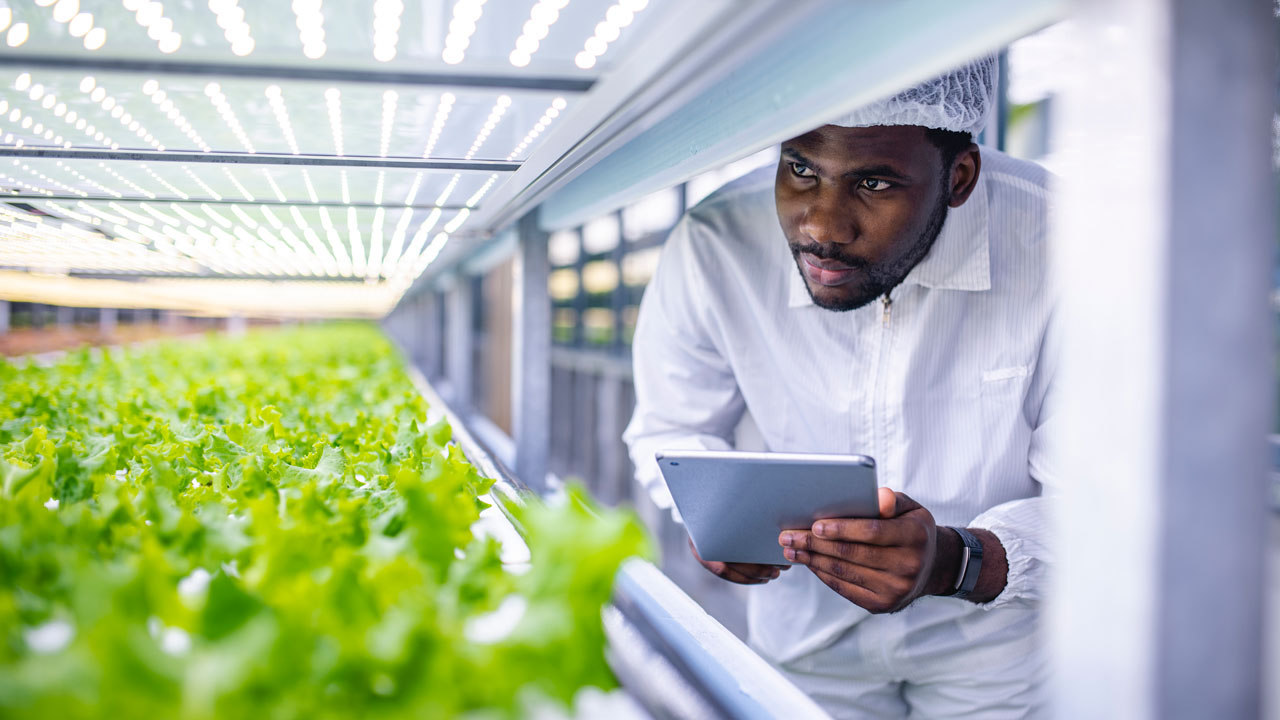
This is where understanding your operation's scale and your OEM equipment becomes critical. Many commercial indoor agriculture operations use industry-standard commercial RO membrane sizes: 2521 (2.5" x 21") and 2540 (2.5" x 40") for commercial applications, and 4021 (4" x 21") , 4040, and 8040 for larger industrial RO membrane installations. While specialized or name brand pre-filtration products may be needed to target certain contaminants, standard Thin Film Composite (TFC) membranes are commonly used in indoor agricultural settings.
When compatible replacement membranes make sense:
- Your system uses standard commercial or industrial membrane sizes (not proprietary designs)
- You're operating in typical conditions with pre-filtration in place
- Your source water falls within recommended TDS and temperature ranges
All Filters offers commercial RO membranes in standard sizes along with industrial-specific options including ultra-low pressure and fouling-resistant models. These compatible replacements can significantly reduce operating costs (typically 30–50% compared to OEM brand name products) without compromising water quality when properly matched to your application.
When OEM products may be necessary:
- Warranty considerations for new equipment installations
- Unusual water chemistry or highly specialized applications
- When technical support and consultation from the equipment manufacturer is part of your operational plan
Application-Specific Considerations
Different indoor cultivation methods and hydroponic systems have distinct water filter needs:
- Commercial leafy greens and herbs: High water recycling rates require robust particulate filtration and RO to prevent disease spread
- Cannabis cultivation: Precise nutrient control demands reverse osmosis; many jurisdictions also require testing for heavy metals in final products
- Tomatoes, peppers, cucumbers in substrate: Can often use simpler filtration with periodic leachate testing
- Vertical farms: High-density stacking and rapid growth cycles require consistently pure water and minimal pathogens
- Aquaponics: A very demanding application, requiring protection for both plants and aquatic life, often with specialized filtration from dedicated suppliers
Finding the Right Balance
The best filtration system for your operation is the one that delivers the water quality your crops need without unnecessary complexity or cost. Start with laboratory water analysis, understand your cultivation method's specific requirements, and build your filtration plane accordingly.
Standard sediment and carbon filter cartridges in appropriate housings form the backbone of many systems, including greenhouses tapping municipal water. When you need RO membranes in commercial or industrial sizes, compatible replacements can offer substantial savings on what becomes a recurring operational expense as membranes require replacement every 2–3 years depending on source water and usage.
All Filters has served farmers, operations managers, and other controlled environment cultivation experts across various indoor agriculture applications. These pros have discovered through real-world experience that All Filters' SpiroPure brand compatible filters and membranes work reliably in most operating conditions. We won't claim to provide the technical consultation you need for system design or ongoing water quality monitoring—those services require specialized expertise—but we can stand behind our products as dependable, cost-effective alternatives when they're the right match for your operation.
See our Top Sellers for Indoor Agricultural Operations and explore more water filters.
FAQs on Best Water Filters for Indoor Agriculture & Hydroponics
What is the best hydroponic water filter for my operation?
Do I need reverse osmosis for a hydroponic system, or is basic filtration enough?
What are the best RO membrane options for indoor agriculture systems?
How often do RO membranes need to be replaced in a hydroponic system?
What are the best water filters for greenhouse irrigation systems?
What water quality issues matter most for hydroponic and CEA operations?
RELATED PRODUCTS
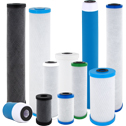
Carbon Filter Cartridges
NSF-certified carbon water filters available in a variety of sizes, media, and micron ratings!
Improve Water Taste and Odor!
Save Even More with Case Packs!

Industrial RO Membranes
Get the right replacement reverse osmosis membrane cartridge for your industrial RO system
Low pressure, high flow options!
Energy efficient models available!

Water Filter Housings
Find 2.5" slim or 4.5" BB housings in 10" or 20" sizes, with single, twin, and triple housing options
Includes wrenches and brackets
Save with Case Packs!