DE Pool Filter Grids: Superior Filtration for Crystal-Clear Water
 Andrew
August 03, 2026
#defilter
#diatomaceousearth
#poolfilter
#poolmaintenance
Andrew
August 03, 2026
#defilter
#diatomaceousearth
#poolfilter
#poolmaintenance
- DE pool filters capture particles down to 3 microns using fossilized diatom shells, delivering the finest filtration of common pool filter types
- DE filter grids require replacement every 3–5 years depending on usage, with proper maintenance extending their lifespan
- Signs of failing grids include tears in fabric, reduced water flow, persistent cloudiness, and visible frame damage
- Universal replacement grids offer cost-effective alternatives to OEM parts while maintaining filtration performance
How DE Pool Filters Work: Ancient Organisms Meet Modern Filtration
DE pool filters achieve their remarkable filtration using a white powder made from fossilized microscopic marine organisms called diatoms. Diatoms are the leftover shells made of porous silica that it turns out have a multitude of uses around the house and garden, including trapping contaminants in pool filtration. Turns out the forebears of oil and diatomaceous earth hung out together back in the day. More or less.
Inside your filter housing, swimming pool DE filter grids provide the structure that holds this powder in place. Each grid consists of a rigid plastic frame covered with a high-density woven polypropylene fabric. This is sometimes referred to as fibrillated polypropylene fabric. When DE powder coats these grids, it creates a fine filtration barrier that captures particles down to approximately 3 microns. That's small enough to remove most bacteria, many algae spores, and the microscopic debris that makes water cloudy.
Need we remind you that a human hair is on average 70 microns thick?
A complete filter grid assembly typically contains 8 panels arranged in a spiral pattern on a central manifold: 7 full grids and 1 partial grid. Water flows through the DE-coated grids, leaving contaminants trapped in the powder layer while clean water returns to your pool. This design maximizes filtration surface area while maintaining efficient water flow.
The fabric itself matters significantly. Quality DE pool filter grids use tightly woven, reinforced fabric that resists tears and maintains structural integrity under pressure. The frame, which is typically constructed from a rigid plastic known as ABS resin, must resist cracking from pool chemicals and temperature fluctuations. Reinforced center tubes ensure optimal water circulation through the system without creating pressure imbalances that could damage the grids.
When to Choose DE Over Sand or Cartridge Filters
DE filters aren't the right choice for every pool or spa, but they excel in specific situations where water clarity is paramount.
DE filters work best when:
- You prioritize the clearest possible water and finest filtration
- Your pool sees heavy use and accumulates fine particulate matter
- You're willing to invest time in more complex maintenance
- You have adequate space for proper DE powder disposal
- Your budget accommodates higher-quality replacement components
Consider sand or cartridge alternatives when:
- Simplified maintenance is a priority
- You're filtering a spa or hot tub (body oils would coat DE grids quickly, ruining the media as opposed to the simpler mechanism of sand or cartridge-style spa pool filters
- Local regulations restrict DE powder disposal
- Lower initial investment matters more than maximum filtration
What is better, a DE or sand filter? For pure filtration performance, DE wins decisively. Sand filters trap particles down to 20-40 microns. That measure is adequate for many pools but nowhere near DE's 3-micron capability. That said, sand filters require only periodic backwashing and can operate for years without media replacement.
Cartridge filters offer a middle ground. Their pleated media creates a large surface area for excellent filtration with basic maintenance and no backwashing. Many pool owners find this balance ideal, but if you've experienced the crystal clarity of properly maintained DE filtration, you understand why some won't settle for less.
For a comprehensive breakdown of all three filtration types, see our detailed pool filter types comparison guide.
Maintaining and Replacing DE Pool Filter Grids
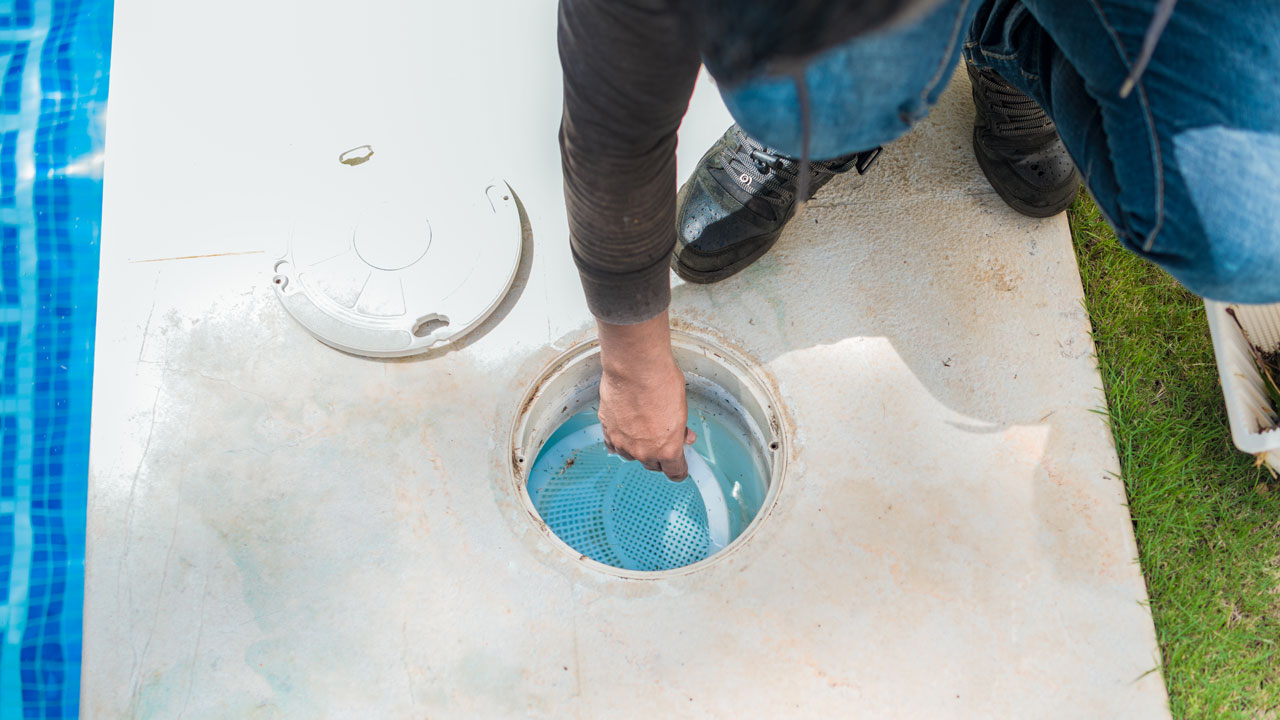
Proper maintenance extends grid life and ensures consistent filtration performance. Neglect accelerates wear and can lead to expensive repairs if damaged grids allow DE powder into your pool's plumbing.
How to Tell If DE Filter Grids Need Replacement
Regular inspection helps you catch problems before they affect water quality or damage your system. Replace swimming pool de filter grids when you notice:
- Tears, holes, or loose fabric: Even small tears allow unfiltered water to bypass the DE coating and loose fabric can lose ability to support the DE coating.
- Reduced water flow or increased pressure: Damaged grids restrict circulation and force your pump to work harder.
- Persistent cloudiness despite fresh DE powder: Compromised grids can't maintain proper filtration.
- Visible frame cracks or warping: Structural damage prevents proper grid seating and creates leaks.
DE Filter Maintenance Schedule
Following a consistent maintenance routine maximizes grid lifespan and filtration performance:
- Inspect monthly: Remove and visually inspect grids for early signs of wear. Panels can be replaced individually.
- Seasonal deep cleaning and powder change: every 3–6 months soak grids in filter cleaner solution and apply fresh powder after backwashing.
- 3–5 year grid replacement: Plan for complete grid assembly replacement based on usage intensity.
Periodically, it can be helpful to call in a pro to assess your filter and pool setup for a more thorough inspection. Either way, high-use pools may require more frequent backwashing and replacement protocols, while properly maintained grids in moderate-use pools can extend longer. In other words, the critical measure isn't time alone. The condition of the fabric and frame are also factors.
DE Powder Application
Proper DE powder application is just as important as grid condition. After cleaning or replacing grids, add the manufacturer-recommended amount of DE powder through your skimmer with the pump running. The powder distributes across the grids, creating your filtration layer.
Too little powder reduces filtration effectiveness. Too much can cake on the grids, restricting flow and potentially damaging the fabric. Follow your filter's specifications. A general guideline is 1 pound of DE powder per 10 square feet of filter area.
For complex maintenance or if you're unprepared or uncomfortable handling DE powder (it can irritate lungs if inhaled), professional pool service technicians can handle cleaning, powder application, and grid replacement. The investment in professional maintenance often pays for itself in extended equipment life and consistent water quality.
The Bottom Line
Next time you're in your crystal clear pool go ahead and raise a glass to the countless trillions of preserved diatoms doing their part to deliver the clarity you value. But understanding your swimming pool filter DE system's components helps you make informed decisions about maintenance timing and replacement quality.
Test your grids regularly, replace them before small problems become expensive repairs, and enjoy the superior filtration that keeps your pool inviting all season long. And when you're replacing worn grids, look for universal replacements that deliver OEM-level performance at lower cost. Pool owners know there are plenty of other ways to spend that money.
FAQs on DE Pool Filter Grids
How do DE pool filter grids work?
What is better, a DE or sand filter?
How do I tell if DE pool filter grids are bad?
How often should DE pool filter grids be replaced?
How do I add DE powder to a pool filter?
RELATED PRODUCTS

Pool & Spa Filters
Full line of filters available, including Filbur, Hayward, Pentair, Pleatco, Unicel, and more!
Relax in Purer, Healthier Water!
Save BIG on Case Packs
AC & Furnace Filters
Residential and commercial air filters for air conditioning, geothermal, furnaces, and more!
Breathe Better in Your Home!
Save BIG on Case Packs

Refrigerator Water Filters
Full line of filters available, including Whirlpool, LG, Samsung, Kenmore, Frigidaire, and more!
Drink Purer, Healthier Water!
Super Value Packs Available