Home Reverse Osmosis System Maintenance: Tips for Optimal Performance
 Shu
August 10, 2026
#maintenance
#reverseosmosis
#sp-ro1000tl
#sp-ro100mp
#sp-ro3
#sp-ro500
Shu
August 10, 2026
#maintenance
#reverseosmosis
#sp-ro1000tl
#sp-ro100mp
#sp-ro3
#sp-ro500
- Sediment, carbon, and post-filters should be replaced every 6–12 months. The RO membrane can last 2 years or more, but many RO users find it convenient to change all filters on an annual basis
- Every year, clean and sanitize your RO system to keep water pathways clean and prevent bacterial growth.
- To prevent leaks and ensure constant water flow, inspect the tank pressure, tubing connections, O-rings, and housings.
- All Filters offers email reminders and leak detectors to stay ahead of maintenance and extend the lifespan of your RO system.
One of the most reliable ways of getting clean water straight from your tap is the reverse osmosis (RO) system. The RO membrane is the central part of the system, and it works by using a thin layer with the equivalent of tiny holes that only allow water molecules to pass through while blocking contaminants.
The microscopic gaps in the polymer membrane material are usually about 0.0001 microns, which is about a million times smaller than the diameter of a human hair. These holes are so tiny that they can remove up to 99% of contaminants, leaving clean drinking water behind.
Without proper reverse osmosis system maintenance, however, an appliance may become less effective. In this blog, we'll discuss how to maintain a reverse osmosis system so it performs at its best.
Maintaining Countertop RO Systems
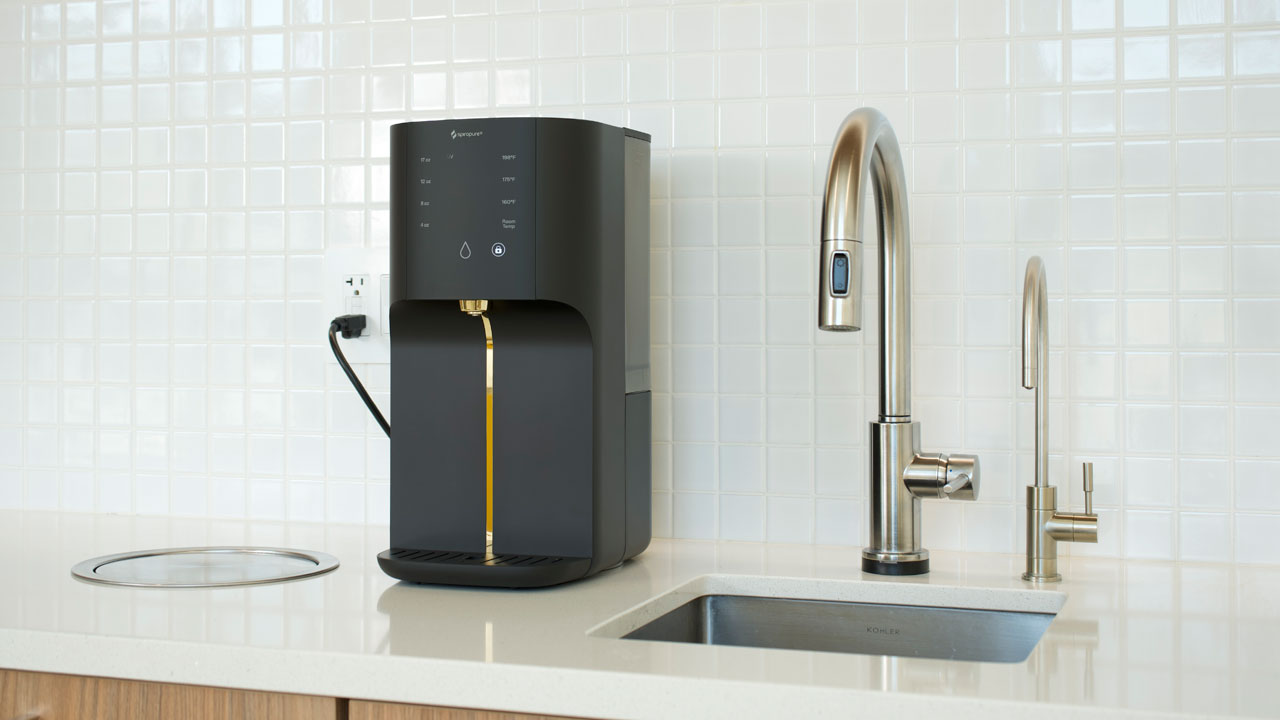
Countertop RO systems like the SpiroPure SP-RO500 from All Filters are compact and easy to set up with plug-and-play installation. They are commonly used in small homes, apartments, and places where a filtration system is needed without permanent installation. Here's how to maintain them:
1. Scheduled Filter Changes
Filters in most countertop RO systems need to be changed frequently because they are small. If you consume 3–4 gallons (10–15 liters) of water in your household daily, you will usually need to change the sediment, carbon, and post-filter every 6–12 months for effective reverse osmosis system maintenance.
The RO membrane usually lasts 12–24 months when it's installed in countertop units as a changeable cartridge. Its lifespan can be increased with routine maintenance and pre-filter replacement.
2. System Cleaning
The sealed, connected design of countertop RO units makes them easy to sanitize. Running a cleaning solution through the system, wiping outside vents or sensors, and occasionally flushing the internal pathways are how you maintain the hygiene of a reverse osmosis system. In general, sanitizing should take place at least once a year when you change the filters.
3. General Surface Inspection
Countertop RO units are easily accessible, making reverse osmosis system maintenance simple, as problems can be identified easily. For example, you might notice a tiny leak, unusual noises, or slower water flow from your dedicated RO faucet or if your system is a kitchen countertop unit. A simple monthly inspection can prevent small issues from becoming expensive long-term repairs.
Maintaining Under-Sink RO Systems
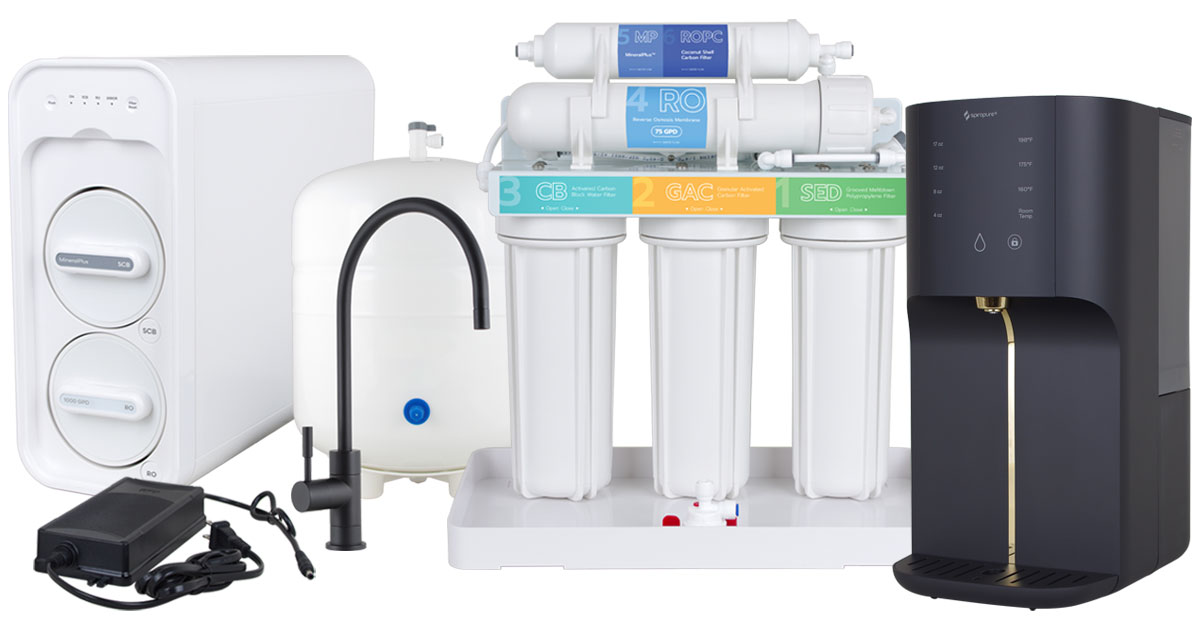
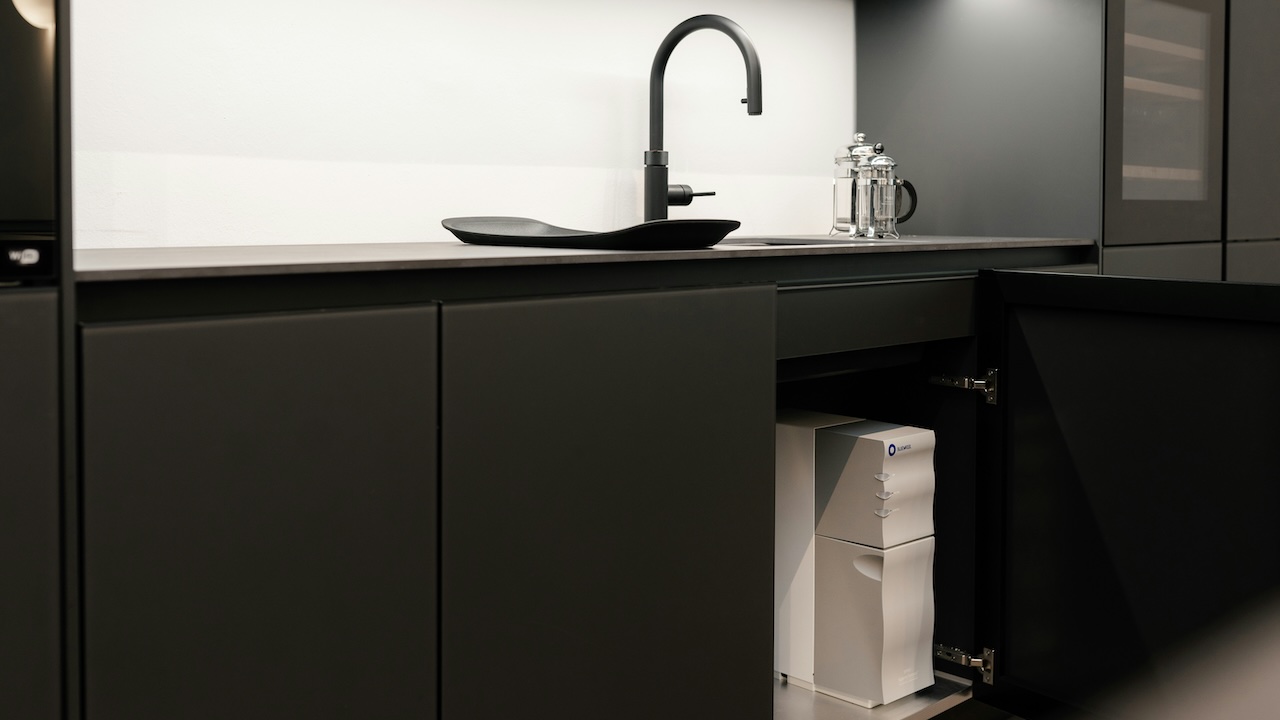
Under-sink RO systems like the SpiroPure SP-RO-100MP-BK from All Filters offer high capacity, long-term reliability, and various customization options. However, they have more components than countertop RO systems and require a slightly different maintenance routine. Here's how to maintain them:
1. Plan When to Buy Replacement Filters
The reverse osmosis system maintenance schedule for under-sink filters is similar to countertop RO systems, but their larger parts tend to last longer. For example, an average home that uses 3–4 gallons (15–20 liters) of purified water each day might change the post-filter once a year and the sediment and carbon prefilters every 6–12 months.
Usually, the RO membrane needs to be changed every 2–3 years. You can also use a basic portable meter to check the total dissolved solids (TDS) once in a while. If the TDS starts to climb, it usually means the membrane is nearing the end of its lifespan.
All Filters has an automatic email reminder service so you never forget when to buy your next filter.
2. Check the Tank Pressure
This part of reverse osmosis system maintenance is like keeping the right air pressure in a tire—if it's too high or too low, performance suffers. The tank on traditional under sink ROs should be pressurized to 7–8 pounds per square inch (psi) when empty. This pressure level helps move clean water up to the faucet. Maintaining proper pressure in a reverse osmosis system involves checking the tank pressure every 6–12 months.
3. Sanitize the System
Compared to countertop RO systems, under-sink units require more extensive sanitization. Once a year, or during major filter changes, turn off the water supply and remove the filters. Clean the housings with warm, soapy water and a soft brush or sponge. Next, add a dedicated water treatment sanitizer product to the first stage of the housing (or a small amount of bleach diluted with water) and for effective reverse osmosis system maintenance allow it to circulate and sit throughout the system before flushing thoroughly and reinstalling the filters and membrane.
4. Leak and Component Inspection
Leaks tend to be more common with under-sink RO systems because they contain more fittings and joints. During a routine check, it's advisable to inspect the following:
- Tubing connections: Look for discoloration, dripping, or looseness
- O-rings: Check parts like o-rings for cracks, wear, or damage
- Filter housing: Look for cracks or warping
- Tank base: Check for moisture or corrosion
- Valve seals: Make sure valves are leak-free and working properly
5. Membrane and System Flushing
Some under-sink RO systems need to be manually flushed after a filter change or after the system has been inactive for a period of time. For example, you might need to run water through the system for a few minutes after changing the membrane until it runs clear. For optimal maintenance of your reverse osmosis system, always follow the manufacturer's instructions.
Reminders and Leak Detection Tips
Filters in reverse osmosis systems can last months, so knowing how to maintain them effectively often involves setting reminders to ensure you replace them on time.
In addition, products like the SpiroPure SP-LD200 and SP-LD100 leak detectors for RO systems can be installed near your unit to monitor for leaks or excess moisture. This will help prevent water damage and alert you to potential issues before they affect your system. Lastly, RO may not be a complete solution for some households. Additional whole-house, point-of-entry water filter cartridges or systems might be needed.
ConclusionAt All Filters, we recommend maintaining your RO system to ensure it continues to function optimally and provide clean drinking water. Leaks, decreased water flow, and membrane issues can be avoided by regular filter changes, system sanitization, and routine inspections. Whether you use a countertop or under-sink RO unit, adhering to a regular reverse osmosis system maintenance schedule extends the lifespan of your system.
FAQs: Home Reverse Osmosis System Maintenance: Tips for Optimal Performance
How do you maintain a reverse osmosis system?
How often should RO filters be replaced?
How do you sanitize a reverse osmosis system?
How do you check the tank pressure on an RO system?
How do you know when an RO membrane needs replacement?
RELATED PRODUCTS
SpiroPure 1000 GPD Tankless RO System with Remineralization SP-RO1000TL
List Price: $656.94
Our Price: $328.47
Save: $328.47
SpiroPure SP-RO500 Instant Hot Water Countertop RO with Remineralization
List Price: $399.48
Our Price: $199.74
Save: $199.74

SpiroPure SP-RO100MP RO Filter System Under Sink 6-Stage with Remineralization
List Price: $277.26
Our Price: $138.63
Save: $138.63