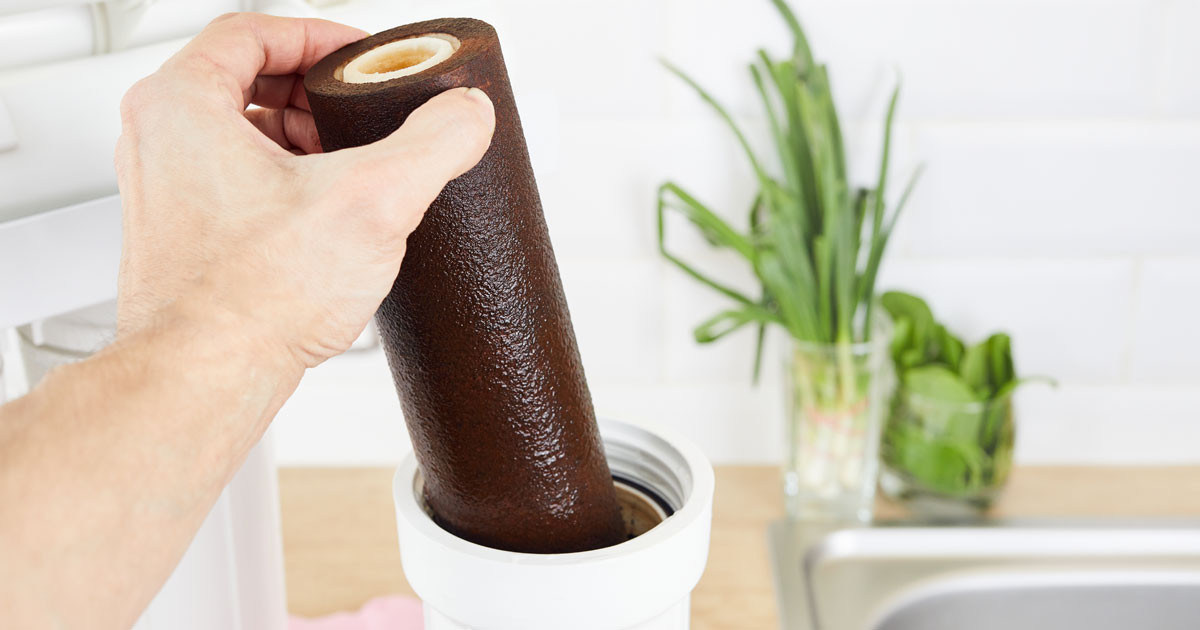
Home Water Filter Replacement Schedule: When to Replace Every Filter Type
 Andrew
August 10, 2026
#carbonfilter
#descaler
#filterreplacement
#reverseosmosis
#sedimentfilters
Andrew
August 10, 2026
#carbonfilter
#descaler
#filterreplacement
#reverseosmosis
#sedimentfilters
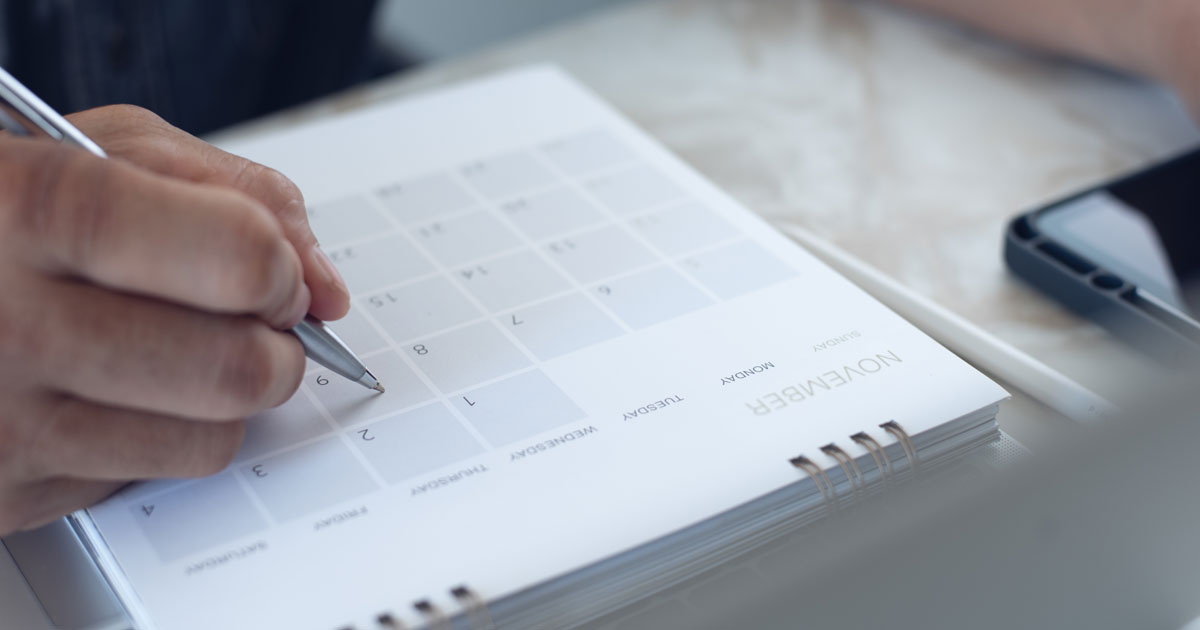
- Sediment filters typically need replacement every 3–6 months, though heavy sediment loads may require monthly changes
- Carbon filters should be replaced every 6–12 months regardless of appearance, as chemical capacity depletes invisibly
- Refrigerator filters last about 6 months, RV filters one camping season, and descaler cartridges 6–12 months
- RO membranes can last 2–3 years with proper pre-filtration, though annual replacement for under sink units simplifies maintenance scheduling and helps ensure performance
- Water quality, usage patterns, and filter size all affect actual replacement timing
Sediment Filter Replacement Schedules
Sediment filters use mechanical filtration to trap particulate matter. Over time they clog and break down. Very high sediment loads, organics, or chemical contamination from wells or job sites or other environmental factors such as may necessitate weekly or even daily changes. Here are basic replacement schedules:
- Melt-blown polypropylene: Replace every 3–6 months for typical residential use. Clean municipal water may extend life to 9 months, while sediment-heavy well water could require monthly replacement.
- String-wound: Replace every 3–6 months. Can handle limited washing for reuse in high-sediment applications, though filtration efficiency decreases with each cleaning.
- Pleated polyester: Replace every 3–6 months. Can be carefully rinsed once or twice to extend life. The pleated design offers high surface area and dirt-holding capacity.
- Bag filters: Replace every 1–6 months depending on size and application. Monitor pressure drop and flow rate to determine replacement timing.
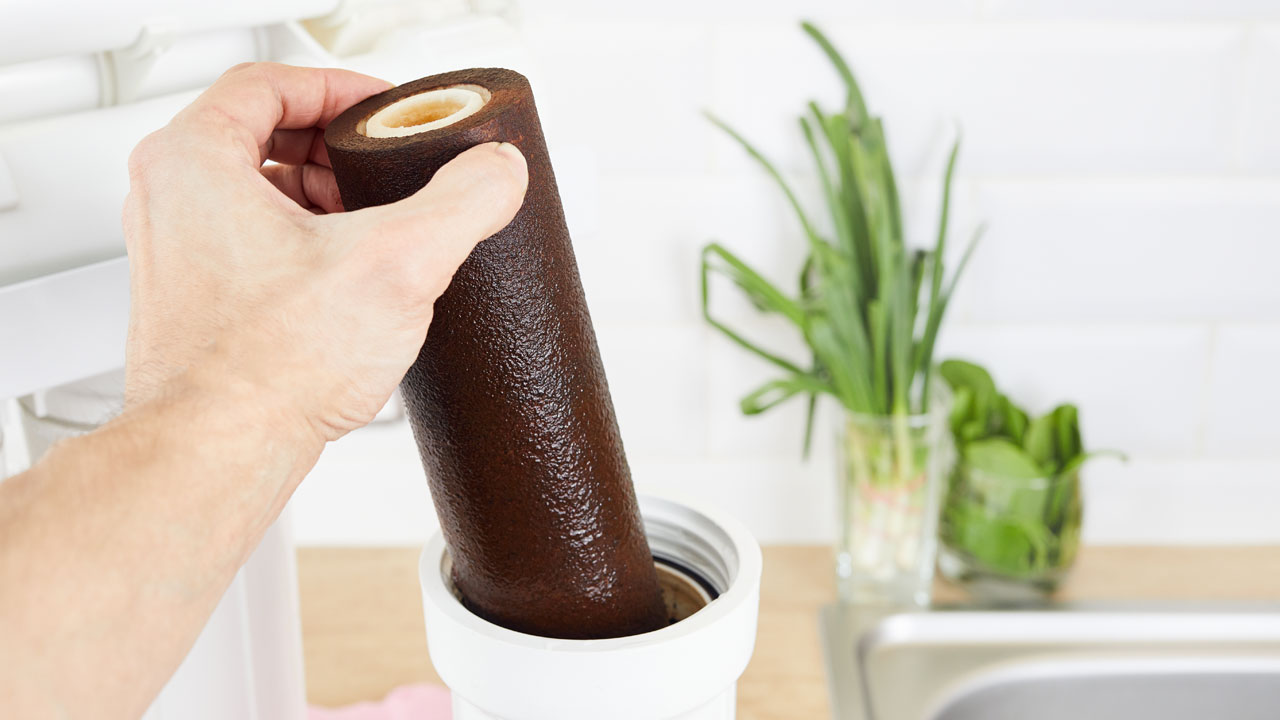
Watch for decreased water pressure at fixtures as your primary signal that sediment filters need replacement. Visible dirt accumulation and red or brown discoloring also indicate it's time for a change.
Carbon Filter Replacement Schedules
Carbon filters use molecular-level chemical adsorption to trap and remove chlorine, chemicals, and contaminants affecting taste and odor. While some carbon media can be backwashed to reduce sediment buildup and extend the physical life of the filter, backwashing does not restore the carbon's adsorption properties. Eventually, the carbon will be exhausted. Such is the life of most carbon media. Here's when to change carbon filters:
- Granular activated carbon (GAC): Replace every 6–12 months depending on cartridge size and water quality. Typically rated at 20–25 microns, GAC excels at chlorine reduction and taste improvement.
- Carbon block: Replace every 6–12 months depending on cartridge size and water quality. Also known as bonded PAC (powdered activated carbon), carbon block filters offer 0.5–10 micron filtration. Lower micron filters will require more frequent replacement if also capturing sediment.
- Catalytic carbon: Replace every 6–12 months depending on cartridge size and water quality. These specialized filters target chloramines and hydrogen sulfide more effectively than standard GAC.
- Carbon-impregnated polyester: Replace every 3–6 months. Sometimes grouped with sediment filters, these dual-purpose cartridges combine mechanical sediment removal with chemical adsorption.
While 6 months is often a reasonable baseline recommendation, carbon may need more frequent replacement based on pre-filtration, usage, and overall quality.
Refrigerator, RV, and Other Filter Replacements
Different applications require specialized replacement schedules based on usage patterns and filter design:
- Refrigerator filters: Replace fridge filters every 6 months or when your indicator light signals replacement. Signs include decreased water flow, bad taste or odor, reduced ice production, or visible particles. For more information on when to change and how to troubleshoot refrigerator filters, read our story.
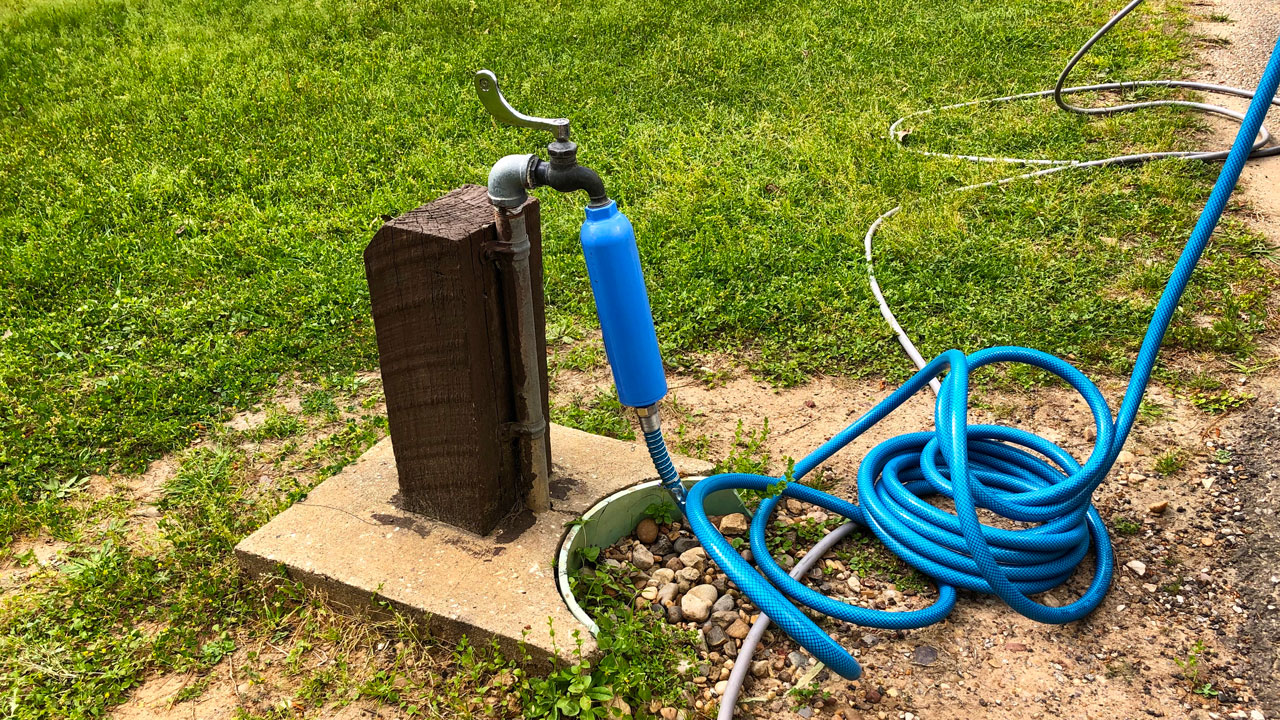
- RV inline filters: Replace once per camping season, or within 3–4 months once wet. Full-time RVers should expect more frequent RV filter replacement. Dry completely between trips and store in a refrigerator during extended non-use to prevent mold.
- Descaler cartridges: Replace every 6–12 months depending on cartridge size and water quality. These polyphosphate filters prevent scale formation without electricity or salt.
Reverse osmosis systems require coordinated filter replacement to protect the semi-permeable membrane. The membrane removes dissolved contaminants through 0.0001 micron pores—far tighter than sediment and carbon pre-filters. While many users prefer an easy annual replacement cycle, here's the maintenance schedule:
- Sediment pre-filter: Replace every 6–12 months to protect the RO membrane from particulate damage
- Carbon pre-filter: Replace every 6–12 months to remove chlorine that would degrade the membrane
- Post-filter (polishing filter): Replace every 6–12 months for final taste improvement
- RO membrane: Replace every 2–3 years with proper pre-filtration and storage when the system isn't used for long periods of time.
RO membranes can be flushed following system directions to help extend service life. This process is automated on tankless models with booster pumps and straightforward on traditional tank-based systems. Regular pre-filter replacement is the best way to maximize membrane lifespan.
FAQs on Water Filter Replacement Schedule
How often should I change my water filter?
What happens if I don't replace my water filter on time?
How do I know when my water filter needs replacing?
How do I set up a water filter maintenance schedule?
Can I wash and reuse water filters to extend their life?
RELATED PRODUCTS
Carbon Filter Cartridges
NSF-certified carbon water filters available in a variety of sizes, media, and micron ratings!
Improve Water Taste and Odor!
Save Even More with Case Packs!

RV Filters
SpiroPure RV water filters offer carbon, sediment, and salt-free descaler media in one filter!
Easy and Versatile Installation!
Filtration for Your Entire Camper

Descaler Filters
Salt-free descaler media prevents the formation of scale and hard water on plumbing
Low Maintenance Scale Prevention
Won't Affect Taste of Water!