Which Carbon Filter Solves Your Water Problem? A Complete Comparison
 Andrew
August 07, 2026
#activatedcarbon
#activatedcharcoal
#carbonfilter
#catalyticcarbon
#granularcarbon
Andrew
August 07, 2026
#activatedcarbon
#activatedcharcoal
#carbonfilter
#catalyticcarbon
#granularcarbon
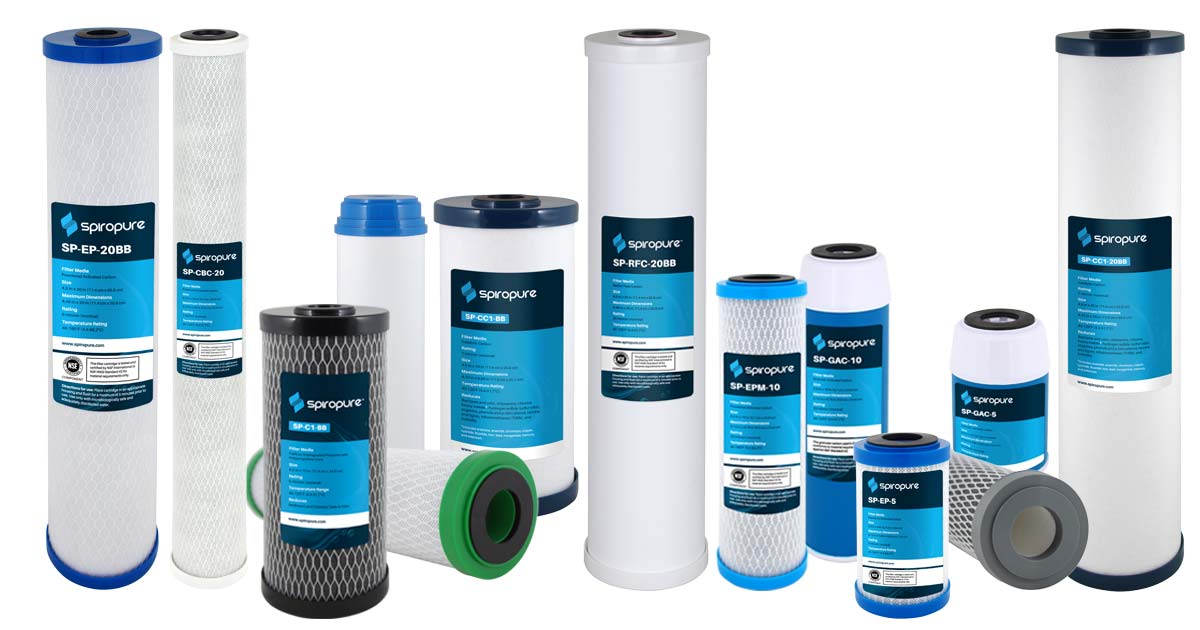
- Five distinct carbon filter types serve different water quality needs and choosing the right one prevents wasted money and ensures effective filtration
- Carbon block filters excel at comprehensive contaminant removal, while granular activated carbon (GAC) handles high-flow whole-house applications
- Catalytic carbon is essential for chloramine removal, a growing need as more municipalities switch from chlorine disinfection
- Radial flow and dual-purpose filters offer specialized solutions for point-of-entry systems and post-RO polishing
Not all activated carbon water filter systems work the same way. Install the wrong type, and you'll waste money on a filter that can't handle your specific water contaminants. Carbon filtration remains one of the most effective and economical ways to remove chlorine, volatile organic compounds (VOCs), and taste and odor "aesthetic" issues from drinking water. But understanding which carbon filter fits your situation, whether you're filtering city water at a single faucet or treating well water for your entire home, makes the difference between frustration and success.
At All Filters, we offer five distinct carbon filter types, each engineered for particular water quality challenges and flow requirements. Here's how to match your water problem to the right water filter cartridges.
Understanding Your Carbon Filter Options
Before diving into specific filter types, it helps to understand what makes carbon such a powerful filtration medium. Activated carbon contains millions of microscopic pores that trap contaminants through a process called adsorption. Pollutants stick to the carbon surface rather than passing through with the water.
The effectiveness and use of carbon water filters depends on three critical factors: the amount of carbon, the contact time between water and carbon, and the specific carbon configuration. And note that catalytic carbon operates differently than regular activated carbon.
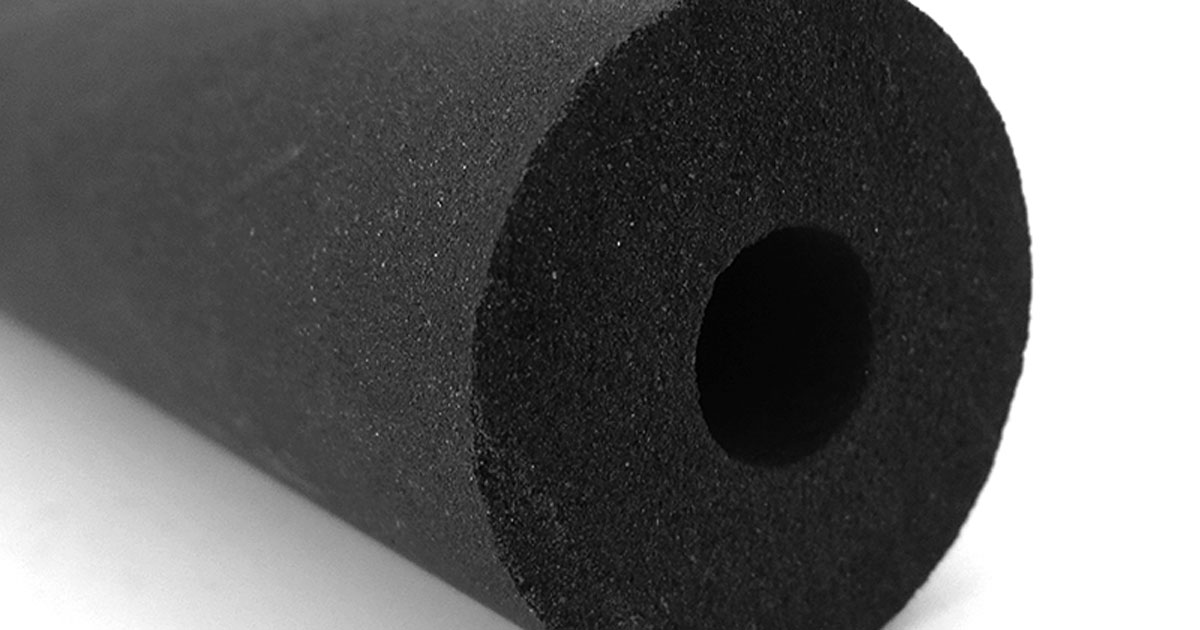
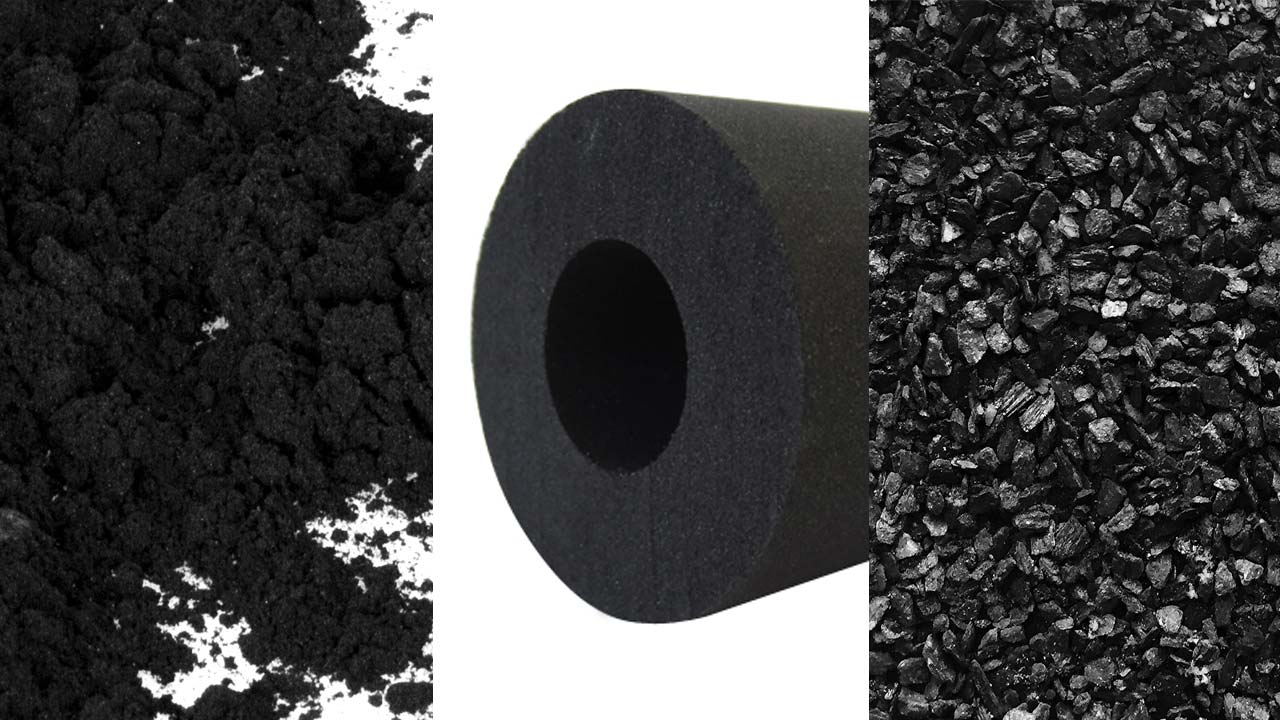
Carbon Block Filters: Maximum Contaminant RemovalCarbon block filters compress powdered activated carbon (PAC) into a dense, solid structure, creating the most thorough contaminant removal of any carbon format. Carbon block is also known as Bonded PAC.
Carbon block is best for:
- Comprehensive removal of chlorine, VOCs, pesticides, and some PFAS compounds
- Secondary mechanical filtration down to 0.5 microns with good upstream sediment filtration
- Point-of-use applications like under-sink systems or countertop units or point-of-entry with large format "Big Blue" style 4.5" x 20" housing
- Other situations where contact time is critical for filtration objectives
The dense structure provides many times more surface area than loose carbon, but can create slower flow rates, particularly in the lower micron ranges. SpiroPure Carbon Block includes SP-CBR2 (0.5 micron), SP-CBC (1 micron), SP-EP (5 micron), and SP-EPM (10 micron) in standard housing sizes.
Granular Activated Carbon (GAC): High-Flow WorkhorseGAC filters contain loose carbon granules, allowing water to flow through more quickly, making them an excellent choice for whole-house applications where volume matters.
GAC is best for:
- Whole-house applications requiring high flow rates without pressure drops
- Effective chlorine removal and taste/odor improvement
- Situations where throughput is more important than trace contaminant removal including in polishing positions downstream from other carbon filters
- Cost-effective large-volume water treatment
Though tightly packed into the cartridge, the overall looser structure means some water can channel through paths of least resistance, making GAC less thorough than carbon blocks for fine particulates but excellent for chlorine and general taste issues. The loose structure equates to a nominal 20 micrometers.
Catalytic Carbon: The Chloramine SolutionCatalytic carbon uses enhanced surface chemistry to break down chloramine molecules through catalytic decomposition, a chemical reaction that standard activated carbon does not achieve.
Catalytic carbon is ideal for:
- Chloramine removal from municipal water (check your utility's annual water quality report)
- Certain heavy metals reduction, particularly when certified for a specific contaminant
- Persistent VOCs that regular carbon struggles to remove
As more municipalities switch from chlorine to chloramine disinfection (a more stable chlorine-ammonia combination), catalytic carbon has become essential rather than optional. The granular form that catalytic carbon typically comes in ensures water flowing through the media accesses reactive sites for the chemical reactions that eliminate chloramine. Look for the nominal 1-micron rated SpiroPure SP-CC1 series.
Radial Flow Carbon: Higher-Flow PerformanceRadial flow carbon filters water from the outside of the cartridge toward a central core, distributing flow evenly through the carbon bed while dramatically reducing the carbon fines that plague traditional GAC filters.
Radial flow is often best for:
- Point-of-entry (POE) whole-house systems requiring good flow with minimal pressure drop
- Pre-filters in reverse osmosis systems where carbon fines must be minimized
- Installations where even flow distribution prevents channeling
The design of 25 micron SpiroPure RFC series radial flow optimizes GAC performance by ensuring water contacts carbon uniformly rather than finding channels through the filter bed.
Dual-Purpose Sediment and Carbon: Two-Stage Filtration in OneDual-purpose filters combine sediment filtration with carbon treatment in a single cartridge, with carbon-impregnated polyester filter media and a polypropylene core to trap particles and polish water.
Dual purpose are good for:
- Water with both light sediment and chlorine/taste issues
- Bacteria-resistant polyester useful in some well water applications
- Standard configurations for municipal water with moderate sediment
- Polishing filters in closed loop systems or post-RO applications
Heavy sediment loads can shorten carbon life, so these work best with moderately turbid water rather than extremely dirty sources. Look for the C series and NCP series in 5 and 10 microns, respectively.
Matching Filters to Your Water Quality Needs
Your ideal carbon water filter for whole house or point-of-use applications depends on several factors.
For comprehensive removal of chlorine, VOCs, and trace contaminants at a single tap, choose under-sink housing for NSF-certified carbon block filters. Their excellent chemical reduction makes them a gold standard for drinking water. Learn more about how activated charcoal filters work in our comprehensive guide.
For whole-house filtration where flow rate matters, GAC filters provide effective chlorine and taste removal without creating pressure problems throughout your plumbing, and can serve as the first line of defense in a two-carbon filter sequence (after a sediment filter cartridge, of course).
If your municipality uses chloramines instead of chlorine, catalytic carbon is the only choice for handling this chemical. Check your water utility's annual water quality report to see which disinfectant they use.
For point-of-entry whole-house systems requiring high flow rates with minimal pressure drop, radial flow designs optimize carbon contact while handling large volumes. They're also excellent as pre-filters in RO systems where carbon fines need to be minimized.
For water with both sediment and chemical issues, dual-purpose filters might simplify your setup by combining two filtration stages in one cartridge, if used correctly.
Finding the Right Fit for Your System
All Filters carries these carbon filter types in standard sizes including 10-inch slim, 20-inch slim, 10-inch Big Blue, and 20-inch Big Blue configurations, with select options available in 30-inch and 40-inch lengths. Most work with common micron ratings from 0.5 to 10 microns depending on your filtration needs.
Whether you're replacing an existing filter in your under-sink housing or designing a new whole-house system, understanding these five carbon filter types helps you choose the activated carbon water purifier that actually solves your water quality problems—the first time, without trial and error.
FAQs on Which Carbon Filter Solves Your Water Problem?
What is an activated carbon water purifier?
What is the best carbon water filter for whole house use?
How do I choose the right activated carbon water filter system?
What's the difference between carbon block and granular activated carbon (GAC) filters?
Which carbon filter removes chloramine?
RELATED PRODUCTS
Carbon Filter Cartridges
NSF-certified carbon water filters available in a variety of sizes, media, and micron ratings!
Improve Water Taste and Odor!
Save Even More with Case Packs!
20x4.5 Carbon Filters
20x4.5 BB NSF certified carbon water filters available in all types and micron ratings!
Get Better Tasting, Purer Water!
Even More Savings with Case Packs
10x2.5 Carbon Filters
10x2.5 NSF certified carbon water filters available in all types and micron ratings!
Get Better Tasting, Purer Water!
Even More Savings with Case Packs