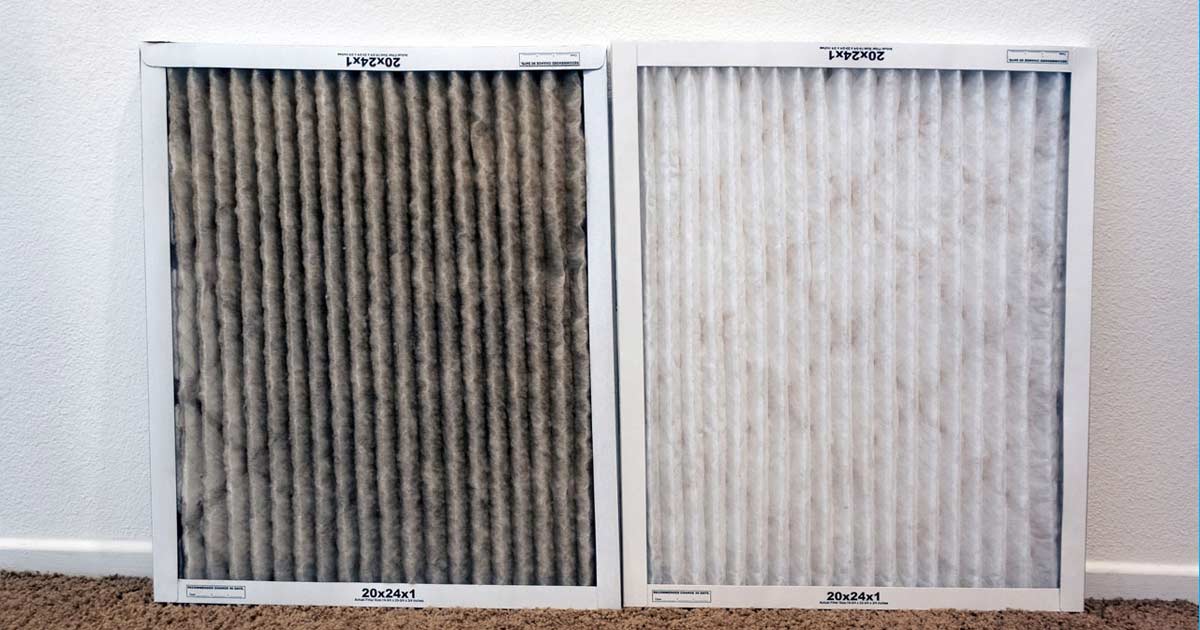
HVAC Air Filters: MERV 8 vs MERV 11
 Andrew
June 18, 2026
#airfilters
#furnacefilters
#HVAC
#MERV11
#MERV8
#mervrating
Andrew
June 18, 2026
#airfilters
#furnacefilters
#HVAC
#MERV11
#MERV8
#mervrating
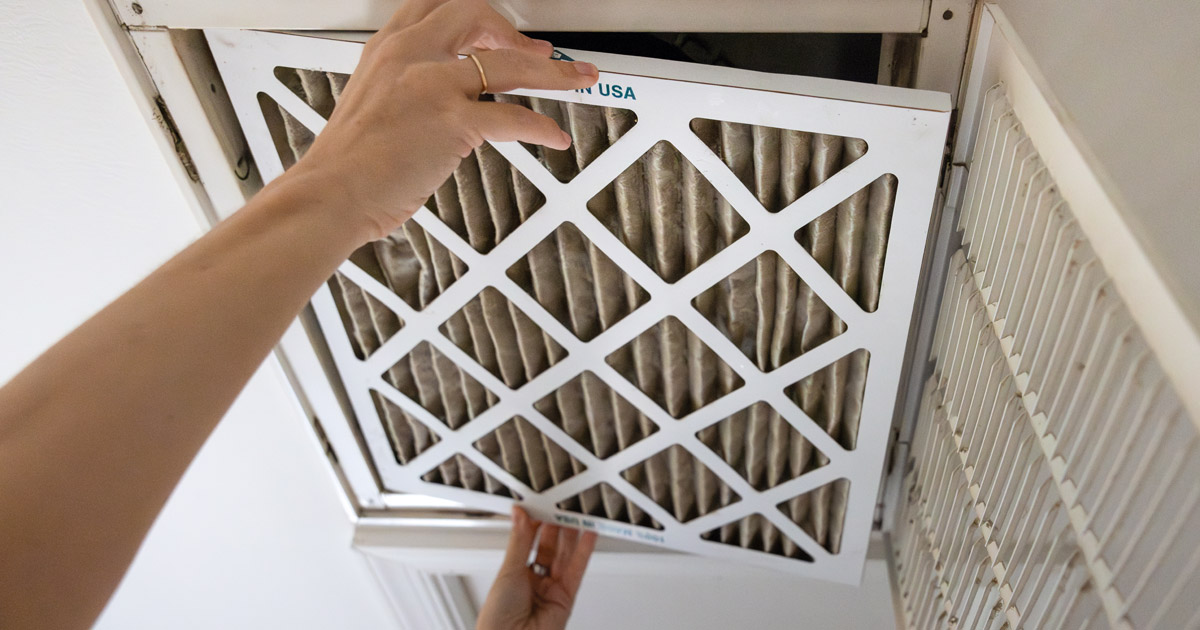
- Compare MERV 8 and MERV 11 filtration efficiency and understand which particles each rating captures effectively
- Learn which MERV rating best suits your household based on pets, allergies, and air quality concerns
- Understand how filter choice affects furnace performance, energy costs, and system longevity
MERV 8 vs MERV 11: Side-by-Side Comparison
A MERV 8 furnace filter capture 70–85% of particles in the 3.0–10 micron range, which is great coverage for dust, pollen, and lint. This efficiency level handles the particles responsible for visible dust accumulation and the larger range of pollen grains and mold spores that trigger allergies. MERV 11 filters increase capture efficiency to 85% or greater in the 3.0–10 micron range and add 65% or greater efficiency for particles between 1.0–3.0 microns. This smaller particle range includes finer dust and some particles from vehicle emissions, smoke and the smaller pollen, pet dander, and mold spores that pass through MERV 8 media.
The construction difference between these ratings lies in media density and pleat geometry. MERV 11 filters often use tighter fibers sometimes in combination with more pleats to increase surface area and particle capture with just slightly higher airflow resistance. For detailed efficiency specifications across the full MERV scale, refer to the MERV chart and MERV efficiency breakdowns.
| Feature | MERV 8 | MERV 11 |
|---|---|---|
| Particle Capture (3–10 microns) | 70–85% | 85%+ |
| Particle Capture (1–3 microns) | Minimal | 65%+ |
| Best For | Standard dust, pollen, basic airborne allergens | Pet dander, fine dust, enhanced allergen control |
| Airflow Resistance | Lower | Moderate (verify system compatibility) |
| Typical Application | Standard residential HVAC | Homes with pets, allergies, or enhanced air quality needs |
Which MERV Filter Should You Choose?
Choose MERV 8 if:
- Your home has no pets
- No one in your household suffers from allergies or asthma
- Outdoor air quality in your area remains consistently good
- You want reliable filtration without restricting airflow
- You need effective capture of visible dust and seasonal pollen
Choose MERV 11 if:
- Your home has pets
- Someone in your household has allergies or respiratory sensitivities
- You live in areas with high outdoor pollution or near busy roads
- Your region experiences wildfire smoke
- You want enhanced allergen control but cannot step up to MERV 13
- Your HVAC system can handle moderate airflow resistance (verify with your furnace manual or HVAC professional)
Households in areas with high outdoor pollution, near busy roads, or in regions where wildfire smoke is more prevalent also benefit from MERV 11's ability to trap fine particulate matter. However, older HVAC systems or those with undersized blowers may struggle with MERV 11's increased resistance. Check your furnace manual or consult an HVAC professional before upgrading from MERV 8 to ensure your system can handle the denser media. For guidance on selecting filters based on allergy concerns, review the best air filters for allergies.
How MERV 8 and MERV 11 Affect Furnace Performance
Filter efficiency and airflow resistance move inversely. In simpler language, as a filter becomes better at cleaning the air, it also becomes harder for air to pass through it. When you hear "higher efficiency," it means denser media, and that increases the pressure drop across the filter as air flows through it.
MERV 8 filters create minimal resistance among our recommended household air filters, allowing older furnaces and systems with standard blower motors to operate efficiently. MERV 11 filters add measurable resistance, which forces the blower to work slightly harder to maintain airflow. In modern HVAC systems designed for higher-efficiency filters, this difference is negligible. In older systems, MERV 11 can reduce airflow enough to decrease heating and cooling efficiency, increase energy consumption, and shorten blower motor lifespan, though we observe that more frequently in MERV 13.
The key is matching filter efficiency to system capability. A MERV 11 filter in a compatible system improves air quality without penalty. That same filter in an undersized or aging system causes problems. Static pressure testing by an HVAC professional determines whether your system can handle MERV 11 safely.
For a more complete overview of MERV ratings and system compatibility, read our article about MERV ratings.
FAQs on MERV 8 vs MERV 11
What is the difference between MERV 8 and MERV 11 filters?
Which filter is better for allergies: MERV 8 or MERV 11?
Can I use MERV 11 in my furnace?
How often should I replace a MERV 8 or MERV 11 filter?
Can I use MERV 8 for an HVAC system?
RELATED PRODUCTS
AC & Furnace Filters
Residential and commercial air filters for air conditioning, geothermal, furnaces, and more!
Breathe Better in Your Home!
Save BIG on Case Packs

2" AC & Furnace Air Filters
2-inch thick air filters in standard and custom sizes for geothermal, AC, furnace, HVAC systems and more!
Efficient, Effective Air Filtration
Save MORE with Super Value Case Packs!

4" AC & Furnace Air Filters
Find 4" thick air filters in standard and custom sizes for your home HVAC or furnace system!
Breathe fresher, cleaner air at home!
BIG Savings with Case Packs!