Water Filtration in 2026: Smart Tech, Proven Solutions, and What Really Matters
 Andrew
August 10, 2026
#pointofuse
#reverseosmosis
#tdsmeter
#waterfilters
Andrew
August 10, 2026
#pointofuse
#reverseosmosis
#tdsmeter
#waterfilters
- Explain how emerging contaminants like PFAS and microplastics are driving residential and commercial water treatment decisions
- Compare point-of-use systems (including tankless RO) against whole-house filtration to match your actual needs
- Break down which smart water technologies deliver real value versus those that add unnecessary cost and complexity
Emerging Contaminants Are Driving Smarter Water Treatment Decisions
PFAS, microplastics, and lead contamination have moved from niche concerns to mainstream awareness. The EPA continues refining regulations around certain classes of PFAS, and local testing reveals that older infrastructure can introduce contaminants your municipal report doesn't cover. Recent water quality surveys reinforce what experts have been saying: many households are dealing with contamination they don't know about.
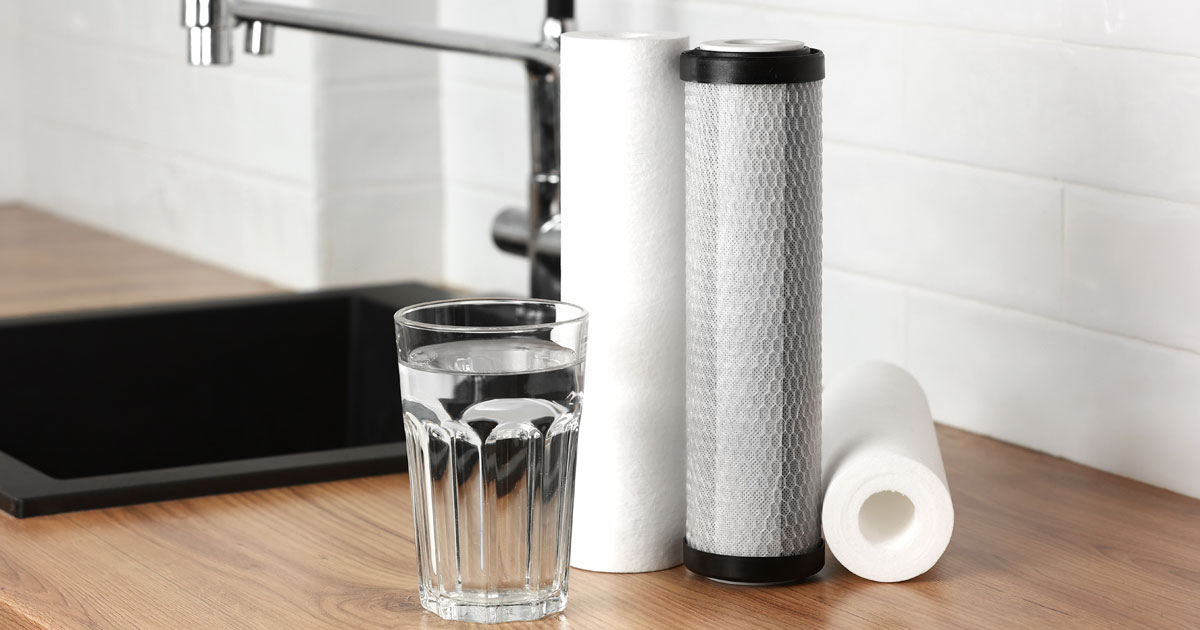
The good news? Proven technologies already remove many of these emerging contaminants effectively. Reverse osmosis systems are excellent at capturing microplastics and some PFAS, while tried-and-true activated carbon filters address chlorine, VOCs, and many organic compounds. For ongoing lead concerns, testing is essential as a first step. Homes built before 1986 have a higher risk for lead pipes, solder, or fixtures. And while RO is an excellent choice for lead and other heavy metals, high levels can overwhelm filters. Your report or water test will reveal if specialized filtration is needed to handle heavy contaminant loads.
Don't wait for perfect regulations to protect your family. Start with testing to understand what you're dealing with, then build your treatment strategy from there. Whether that means a water filter system for home or targeted point-of-use filtration depends in part on what's actually in your water.
Commercial Applications: Scaling Protection for Business Needs
Industries requiring high-purity water increasingly recognize that efficient reverse osmosis systems paired with quality aftermarket membrane replacements deliver cost-effective performance.
Car washes, indoor farms, restaurants, coffee shops, and small manufacturing operations that previously couldn't justify large treatment systems now access commercial-grade RO membrane filtration at commercial (or even industrial) scales that work for them.
It's not just a shift in technology; it's a recognition that high-quality replacement components can deliver reliable performance at a fraction of OEM costs, making proper water treatment accessible to businesses of all sizes.
Point-of-Use vs. Whole-House: Matching Filtration to Your Actual Needs
Not everyone needs to filter every drop of water entering their home. If your concerns center on drinking and cooking water, point-of-use solutions deliver targeted protection without the complexity and cost of whole-house systems.
Point-of-Use Makes Sense When:
- Your primary concerns affect drinking and cooking water
- Municipal treatment handles most contaminants effectively
- You want immediate improvement without major installation
- You're in an apartment or rental situation
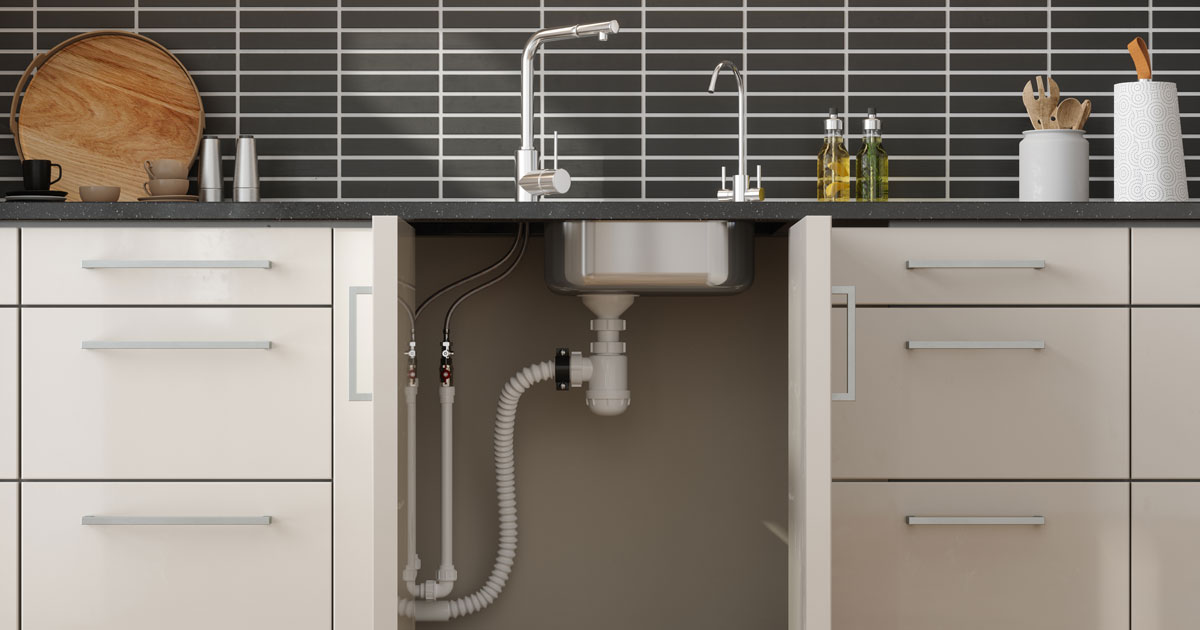
A reverse osmosis system under your kitchen sink or consistent refrigerator filter replacements and even some showerhead filters can make a noticeable difference in your daily life. Modern under-sink systems have become remarkably space-efficient, and many now operate without storage tanks, delivering a continuous flow of filtered water on demand while reducing wastewater significantly. It's worth a deeper dive.
Tankless RO: Legitimate Innovation Worth Considering
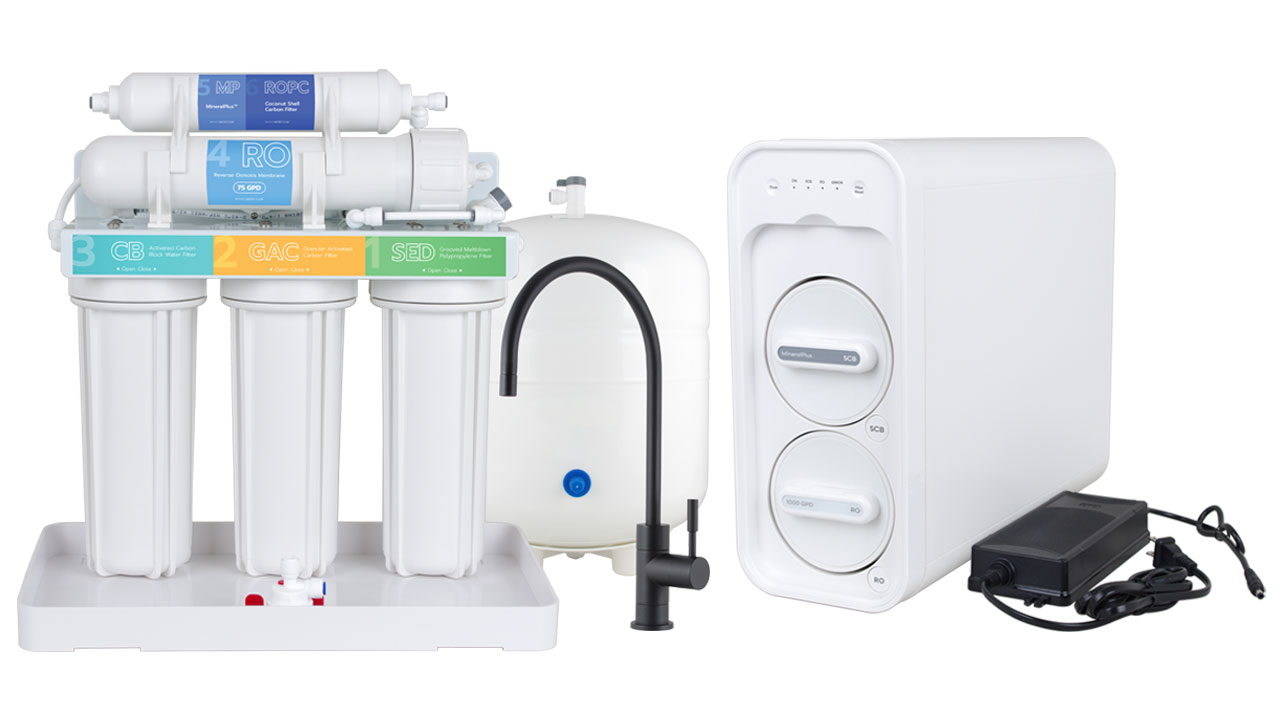
The shift to tankless reverse osmosis represents one of the most significant advances in residential water treatment. These systems eliminate the bulky storage tank, deliver water on-demand without the wait, and waste considerably less water: typically a much more appealing 1:2 ratio of waste to filtered water compared to 3:1 or 4:1 in traditional systems.
Tankless makes sense when you have limited under-sink space, higher household water usage, or prioritize efficiency and water conservation. However, traditional tank-based systems still win on upfront cost, require no electrical power (water pressure only), use easy-to-find universal filter cartridge replacements, and work well for smaller households with modest filtered water needs. Both approaches deliver excellent contaminant reduction, but your choice depends on household size, space constraints, budget, and whether you prioritize efficiency over simplicity.
Whole-House Systems Are Worth Considering When:
- You're dealing with sediment, hardness, or chlorine affecting all water uses
- Skin sensitivity or respiratory concerns make shower filtration important
- Well water requires comprehensive treatment
- You want consistent whole-house protection at every tap
The right answer depends on your specific water quality issues. Test results guide this decision better than any marketing claim.

Smart Technology Should Serve You, Not Create New Dependencies
Smart monitoring in water filtration makes sense when it solves real problems: a smart water valve alerting you when filters need changing instead of guessing, catching leaks before they cause damage, or providing real-time water quality data. We're also seeing under sink point-of-use systems with TDS monitors that show filtration performance or connectivity that sends maintenance reminders directly to your phone and smart water valves to handle issues.
Where Smart Tech Adds Value:
- Leak detection systems paired with automatic or smart shut-off valves prevent costly water damage
- Smart water filters or systems tracking filter life in RO units eliminates guesswork on replacement schedules
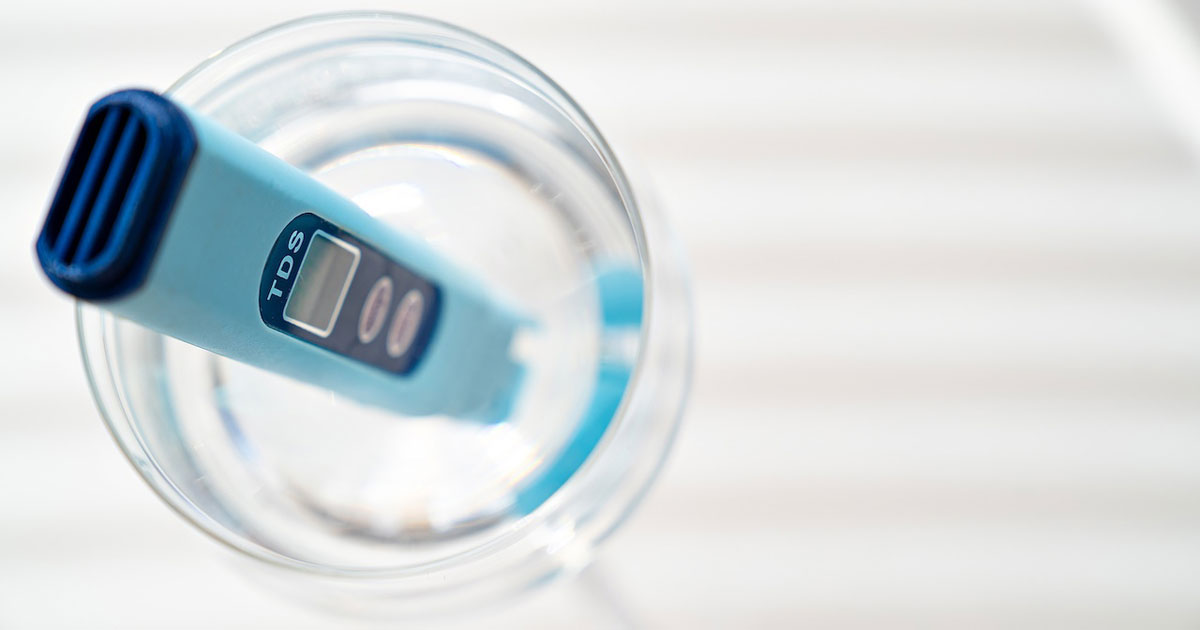
- TDS meter for RO system monitoring shows system performance in real-time
- Usage data helps optimize your filtration setup
Consider the Trade-Offs: Smart systems requiring continuous power may lose functionality during outages. If your smart RO system needs electricity and you don't have backup power, you could lose filtration when you might need it most. Traditional tank-based systems operate on water pressure alone.
For most families, the focus should be on the fundamentals: appropriate filtration, proper installation, and regular filter changes. Tech should make your life easier, not create new vulnerabilities or subscription dependencies. Evaluate whether connectivity features serve your actual needs or simply add cost and complexity.
The Bottom Line: Start with What Matters
Water filtration doesn't require a constant stream of information or the latest technology. It requires understanding what's in your water and addressing those specific concerns with the right water filters and proven solutions. Test your water, identify your actual contaminants, then choose filtration that targets those issues effectively. It's as easy as 1-2-3! (Okay, all these steps take time and money, but it's time and money well spent.)
Smart features and modern innovations can enhance your system, but they're supplements to solid fundamentals rather than substitutes. Whether you need comprehensive whole-house treatment or targeted point-of-use filtration depends on your water quality.
Invest in the right filtration now. Change your filters or filtration media on schedule. Everything else is secondary.
FAQs on Smart Water Filters and Emerging Contaminants in 2026
What is a smart water valve and is it worth having?
Do smart water filters actually improve filtration performance?
What is the best home water filter for PFAS removal in 2026?
What is a TDS meter for an RO system and do I need one?
Should I choose a tankless RO system or a traditional tank-based RO?
RELATED PRODUCTS

Whole House Filters
The most advanced residential whole house water filter on the market!
Shower in filtered water!

Refrigerator Water Filters
Full line of filters available, including Whirlpool, LG, Samsung, Kenmore, Frigidaire, and more!
Drink Purer, Healthier Water!
Super Value Packs Available
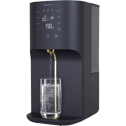
SpiroPure SP-RO500 Instant Hot Water Countertop RO with Remineralization
List Price: $399.48
Our Price: $199.74
Save: $199.74