Furnace Filter Types Explained: Choosing the Right Filter for Your Home
 Andrew
June 18, 2026
#airfilters
#electrostatic
#fiberglass
#filtertypes
#HEPA
#indoorairquality
#mervrating
#pleated
#washablefilter
Andrew
June 18, 2026
#airfilters
#electrostatic
#fiberglass
#filtertypes
#HEPA
#indoorairquality
#mervrating
#pleated
#washablefilter
- Explore five common furnace filter types and understand how each one captures airborne particles
- Learn which filter materials suit different air quality needs and HVAC system capabilities
- Discover how to select the best type of furnace filter and avoid common buying mistakes
5 Types of Furnace Filters for Optimal Home Air Quality
Before we share a little about five primary furnace filter types, we should step back to the "why." Furnace filters protect your HVAC equipment and improve indoor air quality by trapping particles suspended in your home's air. That makes sense. The filter's media, which is the material that captures particles, determines what gets in and what doesn't. The higher the MERV number, the more exclusive the club.
Without a filter, dust accumulates on blower blades, heat exchanger surfaces, and evaporator coils. Dust collects on everything, sure. But in this case you're getting more than the mother-in-law's disapproval. You're also reducing efficiency and setting up for expensive cleaning or component replacement. It's no time to stick your head in the sand. A properly selected and regularly replaced filter extends equipment life, reduces energy consumption, and captures the allergens and irritants that affect respiratory health. Replace your filter. End of PSA.
Residential HVAC systems accommodate several distinct filter types, each with specific performance characteristics and cost considerations.
1. Fiberglass Filters
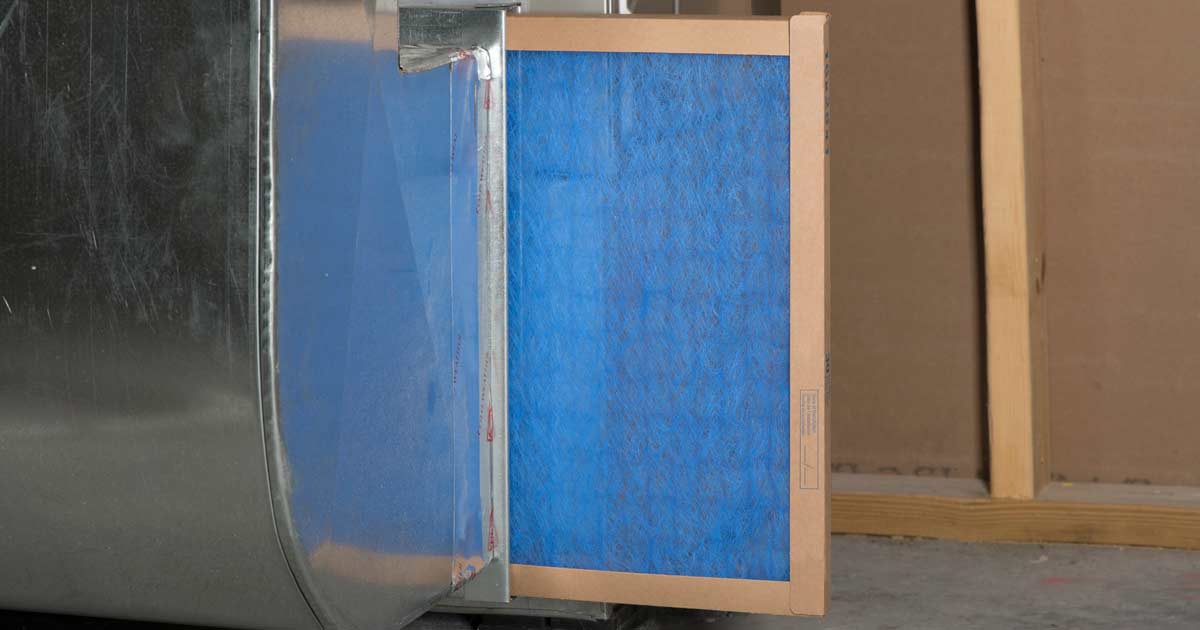
Fiberglass filters use loosely woven synthetic strands layered within a cardboard frame. These represent the most basic and affordable option, typically rated MERV 1–4. They capture large particles like lint but allow fine dust, pollen, and pet dander through. While they create minimal airflow resistance and work with any HVAC system, their particle capture is insufficient for meaningful air quality improvement. In fact, they're just there to protect the system. We recommend these only where budget constraints are severe or supplemental filtration handles air quality separately.
2. Pleated Filters
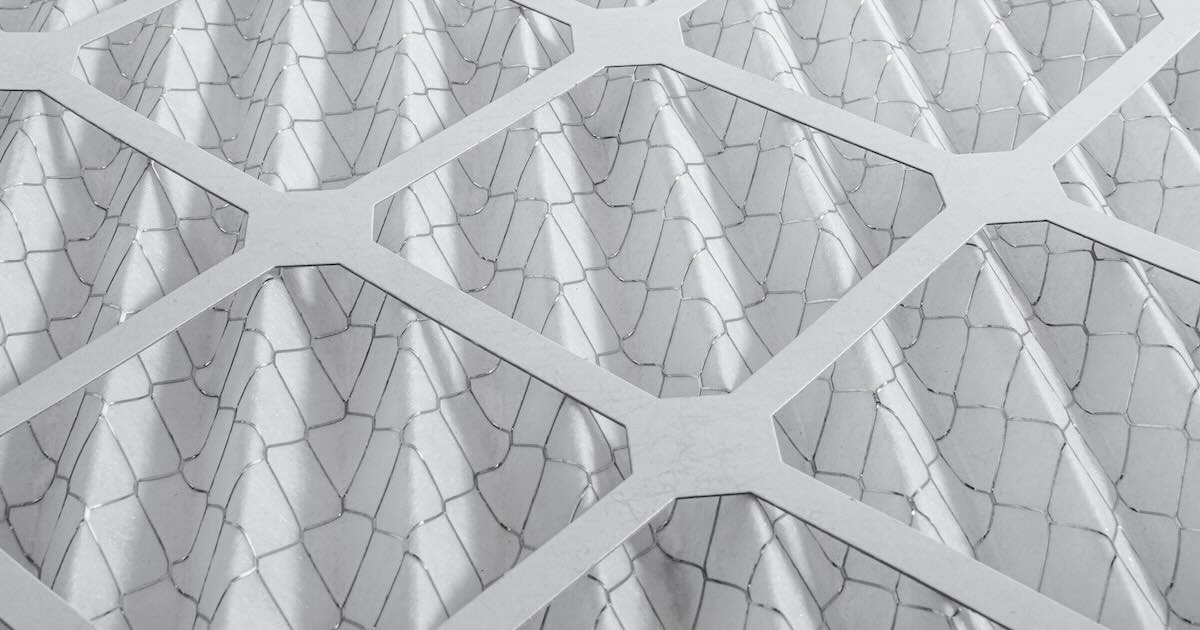
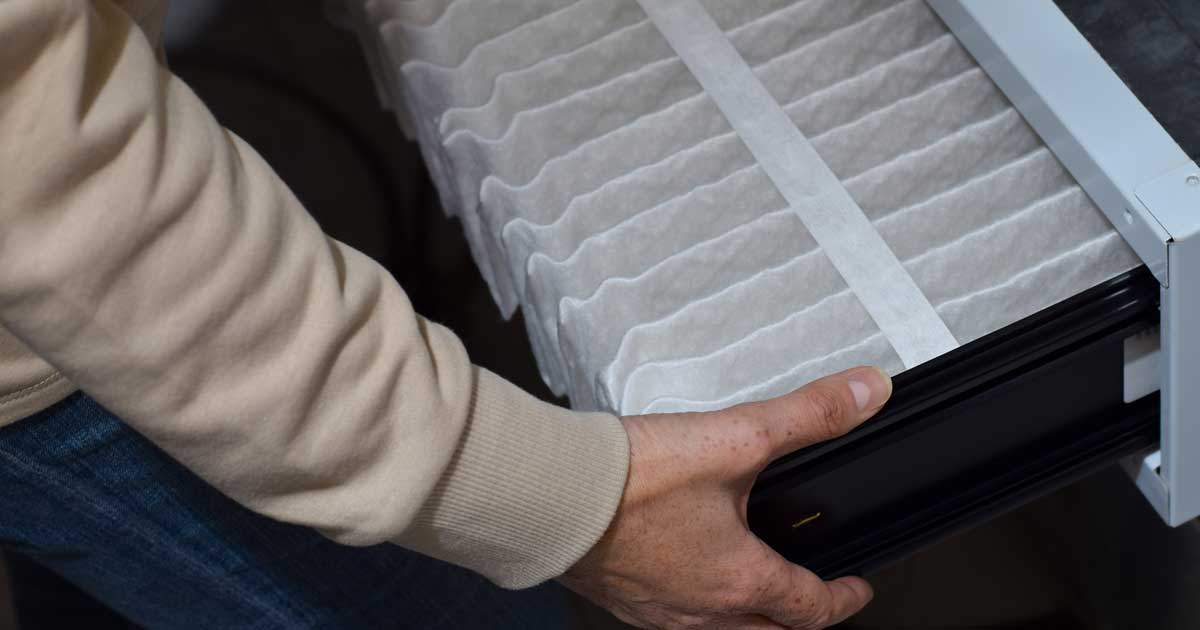
Pleated filters fold synthetic media into accordion-style pleats, dramatically increasing surface area compared to flat designs. Most residential pleated filters fall within the MERV 8 filter to MERV 13 range. Acting like dense nets, pleated filters mechanically trap dust, pollen, mold spores, and pet dander to varying levels of efficiency, providing measurable indoor air quality improvements. They cost more than fiberglass but deliver significantly better performance, making them the best value for most homeowners. For detailed efficiency breakdowns across MERV ratings, see our complete MERV guide.
3. Electrostatic Filters
Electrostatic filters generate a static charge that attracts particles through electrostatic attraction rather than relying solely on mechanical trapping. These come in disposable and washable versions. Disposable electrostatic filters perform similarly to pleated filters in the MERV 8–11 range but cost more. Washable versions offer long-term cost savings through reuse, but are typically MERV 6–8 and require diligent cleaning and careful drying or they'll lose efficiency as media becomes saturated.
4. HEPA Filters
HEPA (High Efficiency Particulate Air) filters capture 99.97% of particles as small as 0.3 microns, including bacteria, viruses, and combustion smoke. This represents the highest filtration efficiency available, equivalent to MERV 17–20. However, standard residential HVAC systems cannot accommodate true HEPA filters without significant modifications. HEPA media creates airflow resistance that overwhelms typical residential blowers. Forcing a HEPA filter into a standard furnace reduces airflow, increases energy consumption, and damages the blower motor. Some systems will simply shut down. Homeowners seeking HEPA-level filtration can add standalone air purifiers rather than taking on expensive central HVAC system modifications. For detailed comparison, review our MERV vs HEPA guide.
5. Washable Filters
Washable filters use durable synthetic or foam media in permanent frames that withstand repeated cleaning. Remove the filter, rinse with water, dry completely, and reinstall. One washable filter replaces dozens of disposable units over its lifespan. However, washable filters typically perform at lower MERV 4–8 efficiency levels, capturing large particles effectively but allowing finer allergens through. There are higher MERV options, but all washable filters are subject to mildew and mold if not thoroughly dried after washing, which can also mean system downtime or operation without filter while drying. We've talked to customers who put off cleaning filters too long making them harder to wash and who experienced mold growth and have switched back to pleated models for efficiency and safety.
Choosing the Right Filter and Avoiding Common Mistakes
When evaluating different types of furnace filters, start by identifying your primary concern: system protection, cost minimization, or air quality improvement. For meaningful air quality improvement without breaking the budget, pleated filters in the MERV 8–11 range deliver the best value.
Homes with pets, allergy sufferers, or elevated outdoor pollution benefit from a pleated MERV 11 air filter or MERV 13 filter, provided the central HVAC or geothermal heat pump system can handle the increased resistance. If your household needs enhanced filtration but your HVAC system can't support high-MERV filters, consider adding a standalone air purifier rather than overtaxing your furnace.
Next, verify your system's compatibility. Check your furnace manual for the maximum recommended MERV rating. Older systems or those with undersized blowers may require lower-efficiency filters to maintain adequate airflow. If specifications aren't listed, consult an HVAC professional for static pressure testing before upgrading to higher MERV ratings.
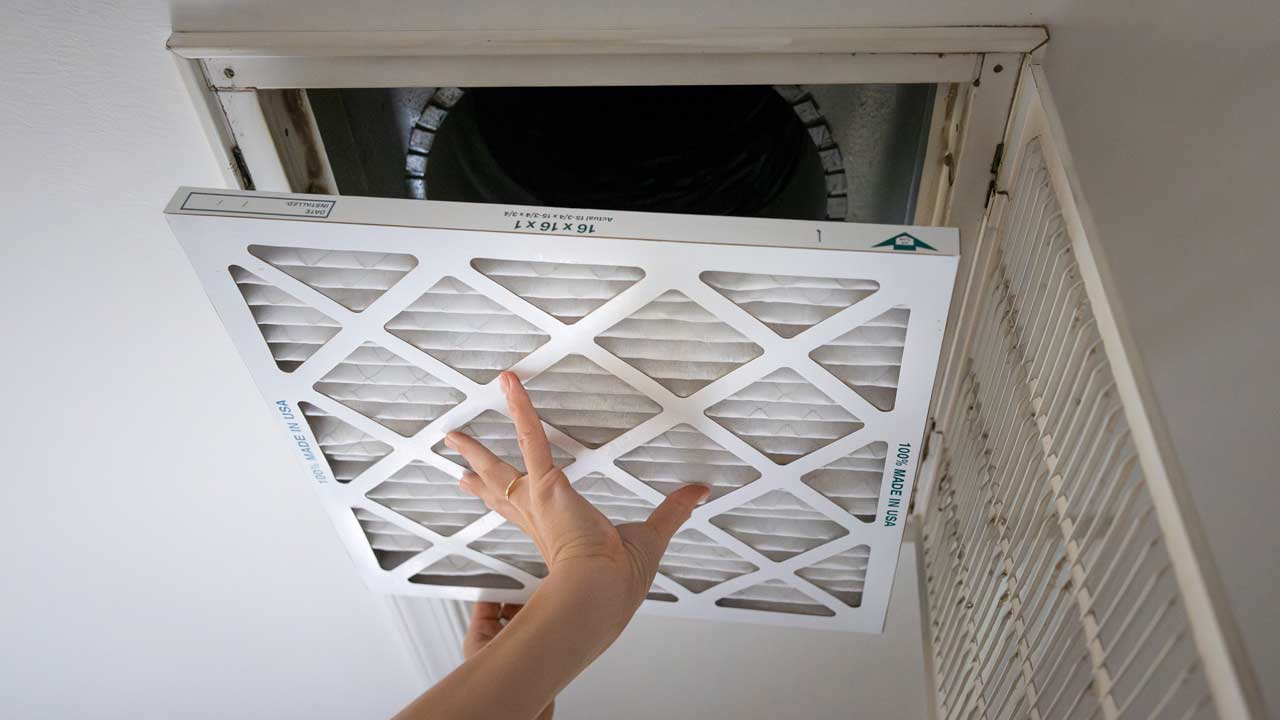
The most frequent error we encounter is selecting the wrong filter size. A filter that doesn't fit your compartment precisely allows unfiltered air to bypass the media entirely through gaps along the edges. Always measure your existing filter or compartment before ordering, and verify both the nominal size printed on the frame and the actual dimensions. Our sizing guide explains the difference between these measurements and how to ensure proper fit.
Another common mistake is choosing the lowest-cost option without considering performance. Investing in MERV 8–13 pleated filters costs more per unit but delivers better protection and cleaner air.
For step-by-step guidance on replacing filters correctly, see our installation guide.
FAQs on Furnace Filter Types
How do I know what type of furnace filter to buy?
What type of furnace filter is best for households with allergies or pets?
What are the differences between fiberglass and pleated furnace filters?
Are HEPA filters suitable for furnaces?
How do I know which furnace filter type is best for my HVAC system?
RELATED PRODUCTS
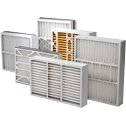
AC & Furnace Filters
Residential and commercial air filters for air conditioning, geothermal, furnaces, and more!
Breathe Better in Your Home!
Save BIG on Case Packs
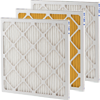
Geothermal Air Filters
1" and 2" thick filters in standard geothermal sizes to fit your geothermal heating and cooling systems.
Find your perfect fit!
Free shipping with SV Pack orders!

2" AC & Furnace Air Filters
2-inch thick air filters in standard and custom sizes for geothermal, AC, furnace, HVAC systems and more!
Efficient, Effective Air Filtration
Save MORE with Super Value Case Packs!