How to Install a Furnace Filter: Direction & Step-by-Step Guide
 Andrew
October 05, 2026
#HVAC
#hvacfilters
#installationguide
#mervrating
Andrew
October 05, 2026
#HVAC
#hvacfilters
#installationguide
#mervrating
- Follow our straightforward five-step process for installing a furnace filter correctly, from powering down your system to restarting it safely
- Learn why proper installation can be a factor in HVAC efficiency, energy costs, and indoor air quality
- Avoid the most common installation mistakes that reduce filter performance and potentially damage your system
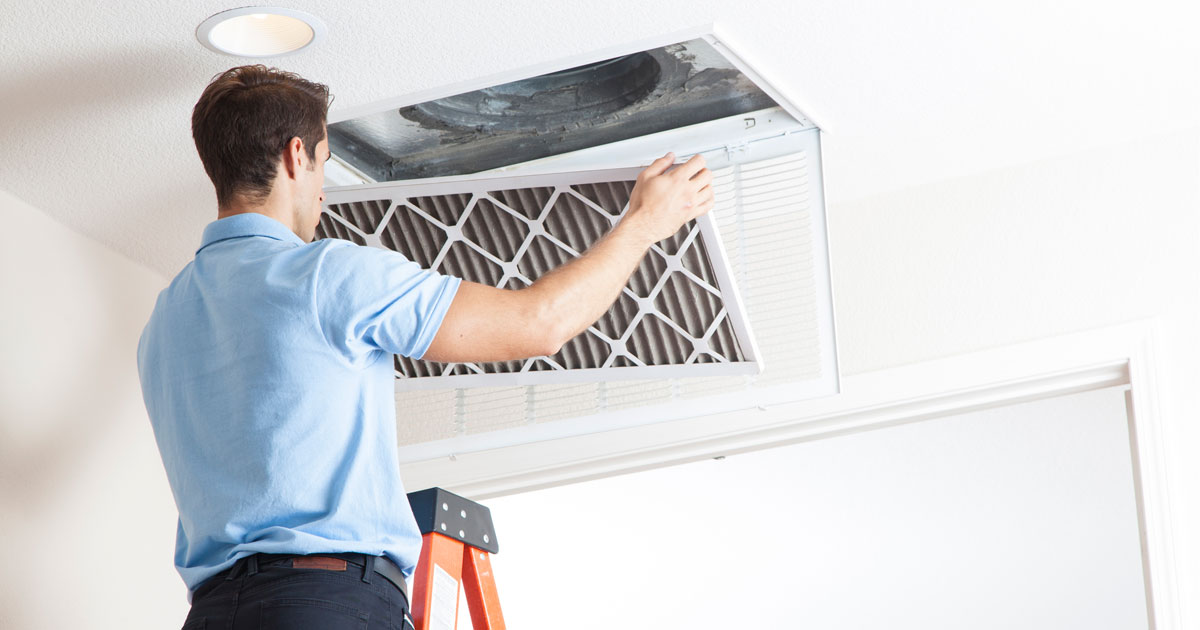
Installing a furnace filter is usually straightforward: turn off the HVAC system, locate the filter compartment, note the airflow direction, remove the old filter, and install a correctly sized replacement with the airflow arrow pointing toward the blower or air handler. Your system layout can vary, so use the equipment manual when the filter location or access procedure is unclear.
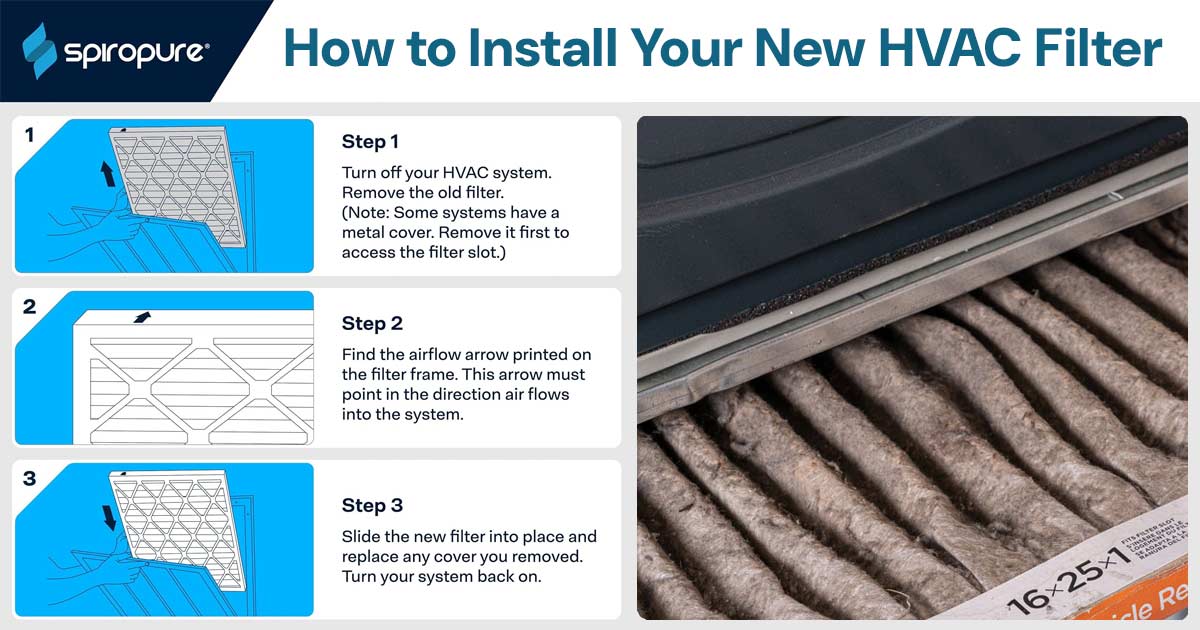
Quick Answer: Which Way Does a Furnace Filter Go? The airflow arrow on the furnace filter should point in the direction the air is moving through the system — generally toward the furnace blower or air handler and away from the return-air side. If the direction is unclear, check the old filter's orientation and your HVAC equipment documentation before installing replacement furnace filters.
Step-by-Step Guide to Installing a Furnace Filter
Often, furnace filter installation requires no specialized tools and typically takes less than five minutes when you follow the correct sequence. Older units, hard-to-reach systems, and other circumstances lead to more complicated filter replacement. We've broken the process into a few clear steps that ensure proper alignment, secure fit, and optimal airflow through your HVAC system:
- Turn off the HVAC system.
Use the normal system shutoff or other manufacturer-recommended procedure before opening the filter compartment. If you are unsure how to safely access the filter, consult the equipment manual or a qualified HVAC professional. - Locate the filter compartment.
Common locations include the return-air duct near the furnace or air handler, a dedicated filter cabinet, or a return grille. Some homes have more than one filter location. - Remove the old filter and note its direction.
Slide the old filter out carefully and note the airflow arrow before discarding it. Confirm the nominal/actual size before ordering a replacement. - Install the new filter in the airflow direction.
Place the correctly sized filter in the slot with its airflow arrow pointing toward the blower or air handler. The filter should sit properly in the intended rack or cabinet without being forced. - Close the compartment and restart the system.
Secure the access panel as required, restore normal operation, and check that the system is running normally. If you hear unusual noise or have substantially reduced airflow after the change, turn the system off and recheck the filter size, orientation and installation.
The Importance of Proper Furnace Filter Installation
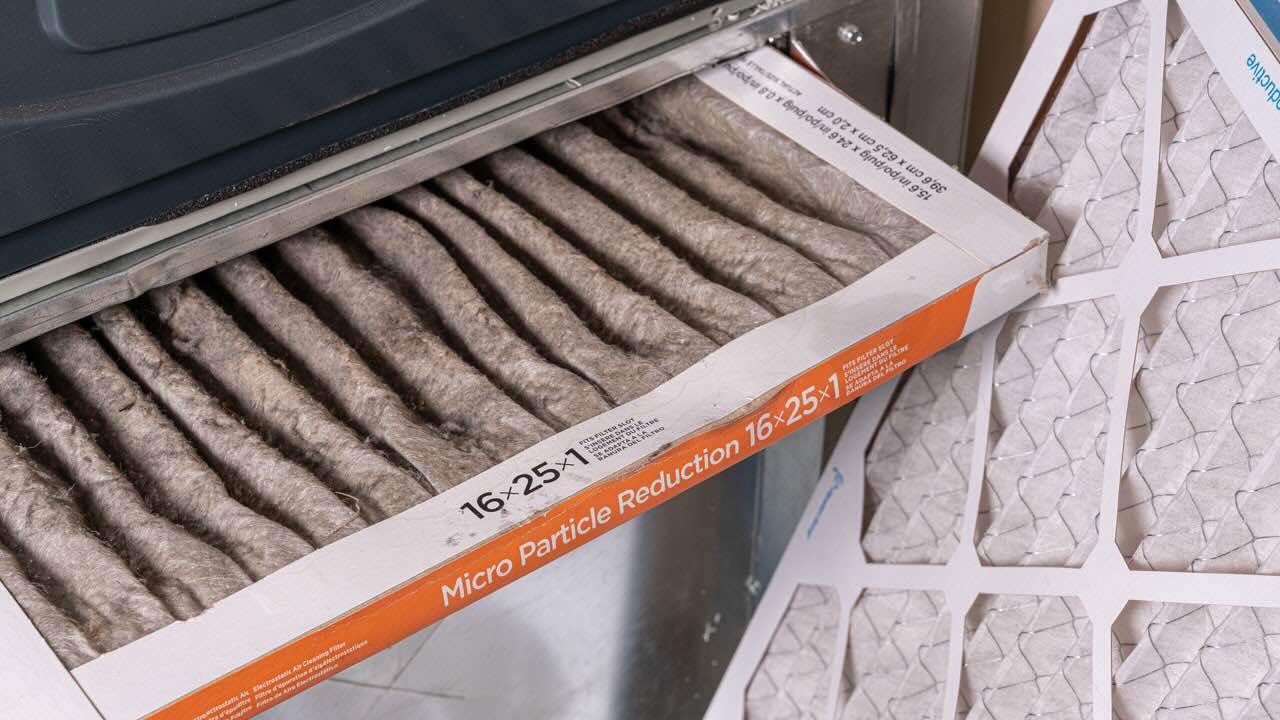
A filter installed backward forces air through the media in the wrong direction, potentially collapsing the pleats or reducing particle capture efficiency. When air bypasses a poorly fitted filter through gaps along the frame, dust accumulates inside the blower assembly, on heat exchanger surfaces, and throughout your ductwork. These contaminants can reduce system efficiency, increase energy consumption, and even contribute to shortening equipment lifespan in some instances. We design our AC filters and cut them to order (It's true: filters are made to order, so double check you are ordering the correct size!) to prevent bypass when installed correctly. Proper installation ensures you receive the full performance our engineering team built into each filter.
Common Furnace Filter Installation Mistakes to Avoid
Even straightforward tasks develop patterns of error. Here are the four mistakes we see most often and how to avoid them.
- Using an incorrect filter size creates gaps that allow unfiltered air into your system. Always verify your filter compartment's dimensions before ordering. Forcing a too-large filter damages both the filter frame and the compartment. Our sizing guide explains how to measure accurately.
- Installing the filter backward is the most common error. The airflow arrow must point toward the blower. If you're uncertain which direction air flows in your system, the return duct pulls air in, and the blower pushes air out, so the arrow follows that path.
- Low-quality or incompatible filters provide inadequate filtration or create excessive airflow resistance. We recommend staying within the MERV 8 to MERV 13 range for many residential systems. For help selecting the appropriate efficiency level, review our MERV rating guide.
- Neglecting regular replacement allows filters to clog, which forces your blower motor to work harder and increases energy costs. Replace 1-inch and 2-inch filters typically every 60 to 90 days. Thicker 4-inch and 5-inch filters last six months to a year, depending on household conditions. Check out our companion article for detail on replacement schedules.
FAQs on Furnace Filter Installation
Which way should the arrow point on a furnace filter?
What if my furnace filter does not have an airflow arrow?
What happens if I install a furnace filter backward?
How do I know what size furnace filter I need?
Can I use a higher-MERV filter in my furnace?
How often should I replace my furnace filter?
RELATED PRODUCTS
AC & Furnace Filters
Residential and commercial air filters for air conditioning, geothermal, furnaces, and more!
Breathe Better in Your Home!
Save BIG on Case Packs

4" AC & Furnace Air Filters
Find 4" thick air filters in standard and custom sizes for your home HVAC or furnace system!
Breathe fresher, cleaner air at home!
BIG Savings with Case Packs!

1" AC & Furnace Air Filters
Standard and custom sizes to get the right fit for your HVAC or furnace system.
Cleaner, fresher air in your home!
Free Shipping & MORE savings with Case Packs!