Is Tap Water Safe to Drink? Understanding Municipal Water Treatment
 Andrew
July 22, 2026
#carbonfilter
#consumerconfidencereport
#municipalwater
#reverseosmosis
#waterconfidence
#waterquality
#watertreatment
Andrew
July 22, 2026
#carbonfilter
#consumerconfidencereport
#municipalwater
#reverseosmosis
#waterconfidence
#waterquality
#watertreatment
- While 92% of U.S. water systems meet EPA standards, quality differs dramatically, from Phoenix's hard water to Chicago's lead pipe concerns and Portland's pristine watershed.
- City treatment protects against waterborne diseases, but home filters let you address specific concerns like chlorine taste, hard water minerals, or PFAS contamination.
- EPA sets enforceable safety baselines for legal compliance, while EWG offers stricter health benchmarks accounting for children's vulnerability and cumulative exposure
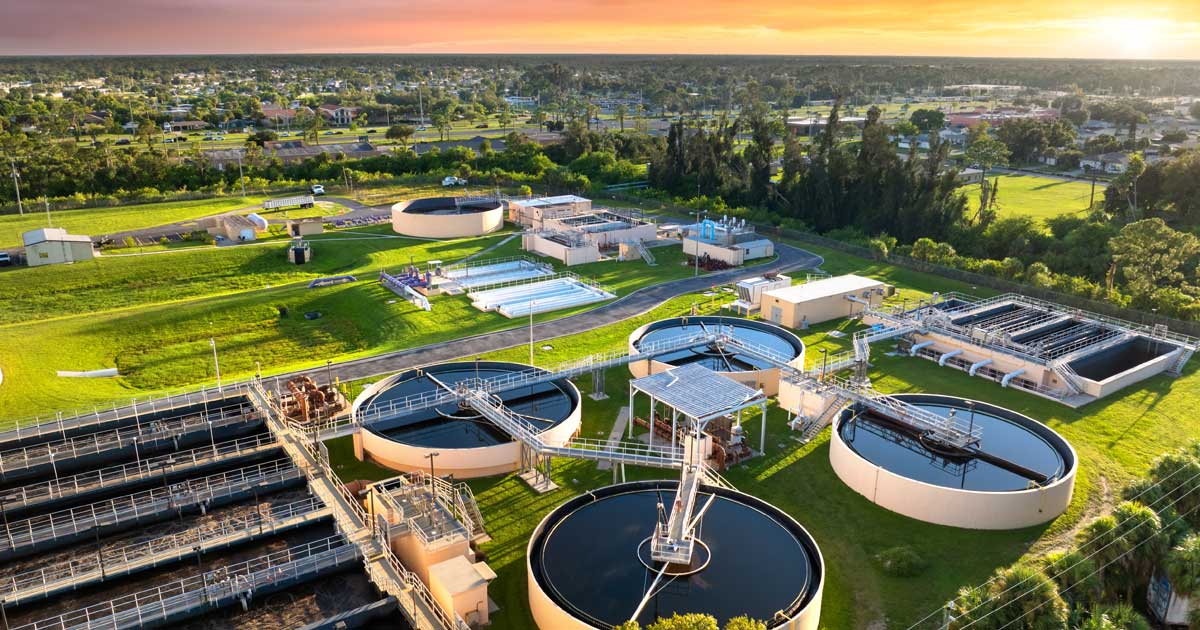
America's aging water infrastructure has pushed drinking water safety into the spotlight. High-profile cases like Flint, Michigan's lead contamination crisis (2014–2015) and Newark, New Jersey's lead service line problems (2018–2019) made national headlines, but they are not isolated incidents. Municipal water treatment provides essential protection, yet local conditions vary significantly across the country.
The short answer to "is tap water safe to drink" is yes for most Americans. More than 92 percent of community water systems meet all Environmental Protection Agency standards. But to understand what "safe" means, look at both federal regulations and your specific water source. Water quality can differ dramatically from one city to the next, and knowing what flows through your pipes empowers better decisions about home filtration. Call it Water Confidence.
How Municipal Water Treatment Works
Understanding the municipal water treatment process is a good first step. Standard treatment follows a multi-stage approach: source water passes through coagulation and flocculation (where chemicals bind particles), sedimentation (settling), filtration (typically sand or membrane systems), and disinfection. Chlorine, chloramine, or ozone kill bacteria, viruses, and parasites that cause waterborne diseases (read more in our Guide to Removing Bacteria, Viruses, and Parasites from Your Water). Exact treatment depends on source water quality.
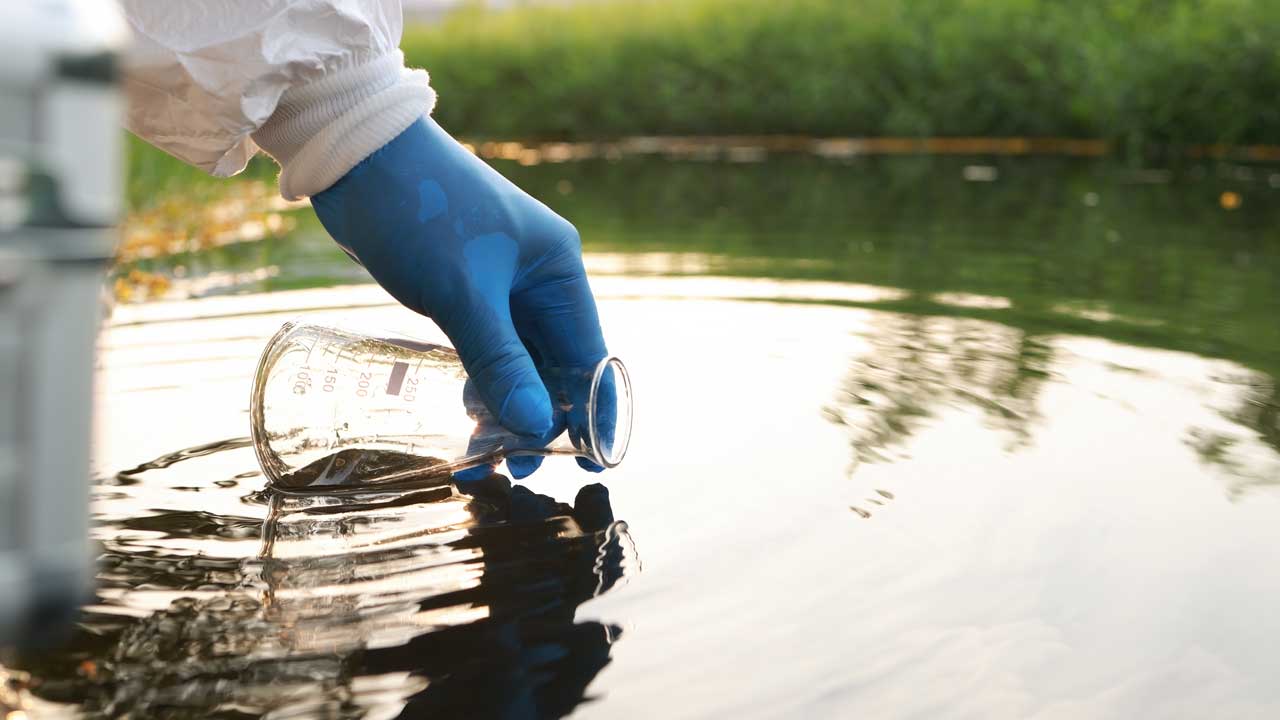
This treatment process effectively removes microbial threats and many chemical contaminants. However, disinfection itself creates trade-offs. Chlorine and chloramine, while essential for eliminating pathogens, produce disinfection byproducts (DBPs) like trihalomethanes and haloacetic acids when reacting with organic matter. The EPA regulates these DBPs due to potential long-term health risks, including cancer concerns at higher exposures.
Regional water quality tells a complex story. Flint, Michigan's lead contamination from corrosive water damaging pipes and Newark, New Jersey's elevated lead from aging service lines demonstrate how infrastructure failures can compromise otherwise treated water. Here are other examples of regional differences or contamination incidents recorded in major metropolitan areas:
- Phoenix, AZ: Extremely hard water (250+ ppm) from mineral-rich groundwater sources, meeting all safety standards but causing aesthetic concerns with scaling and taste
- Chicago, IL: Legacy lead service lines affecting many areas while nitrate and radium show at several times higher than EWG guidelines at some taps
- Philadelphia, PA: PFAS detection in Delaware and Schuylkill River sources, prompting planned treatment plant upgrades to address emerging contaminants
- Houston, TX: PFAS contamination near Superfund sites, with arsenic showing up as a concern in water tests around the region
- Miami, FL: High PFAS levels detected through EWG testing, reflecting coastal industrial pollution patterns
- Jackson, MS: Infrastructure failures left 150,000 residents without safe water for weeks after 2022 flooding damaged treatment operations
- Salt Lake City, UT: Moderate hard water (158-210 ppm) from high-quality mountain streams in Wasatch canyons, with summer groundwater supplementation meeting all EPA standards
- San Diego, CA: Complex diversification strategy blending around two-thirds Colorado River water with local sources and Northern California imports meeting all federal standards
- Portland, OR: Pristine Bull Run Watershed source with no PFAS detected in 2024 testing, consistently rated among the nation's best municipal water supplies
These variations reflect different source water quality, infrastructure age, and local contaminant challenges. From Salt Lake City's mineral-rich but high-quality mountain water and Portland's protected watershed to Phoenix's extreme hardness and Philadelphia's PFAS contamination patterns.

SpiroPure SP-WH300 Whole House Water Filter (Sediment, Carbon, & Descaler)
SpiroPure 1000 GPD Tankless RO System with Remineralization SP-RO1000TL

SpiroPure SP-RO500 Instant Hot Water Countertop RO with Remineralization
EPA Standards vs. EWG Health Guidelines
Two perspectives can help consumers evaluate their water: EPA's enforceable regulations and the Environmental Working Group's (EWG) health-based guidelines. The EPA sets Maximum Contaminant Levels (MCLs) for over 90 regulated substances, balancing best available science with treatment feasibility and cost considerations. The Safe Drinking Water Act requires utilities to meet these standards and review them every six years.
The EWG argues that legal compliance doesn't always equal optimal health protection. Their Tap Water Database uses stricter, science-based benchmarks that account for cumulative contaminant exposure and children's vulnerability. EWG analysis shows 324 contaminants detected in drinking water across nearly 50,000 U.S. water systems, with many exceeding health guidelines while remaining below legal limits.
Both resources serve important functions. EPA standards provide the enforceable baseline ensuring basic safety across all systems. EWG guidelines offer deeper health benchmarks for informed consumer choice.
Rather than viewing them as contradictory, consider them complementary: check your Consumer Confidence Report for EPA compliance data, then review EWG's database for your zip code to understand potential health considerations beyond minimum legal requirements.
When Home Filtration Makes Sense
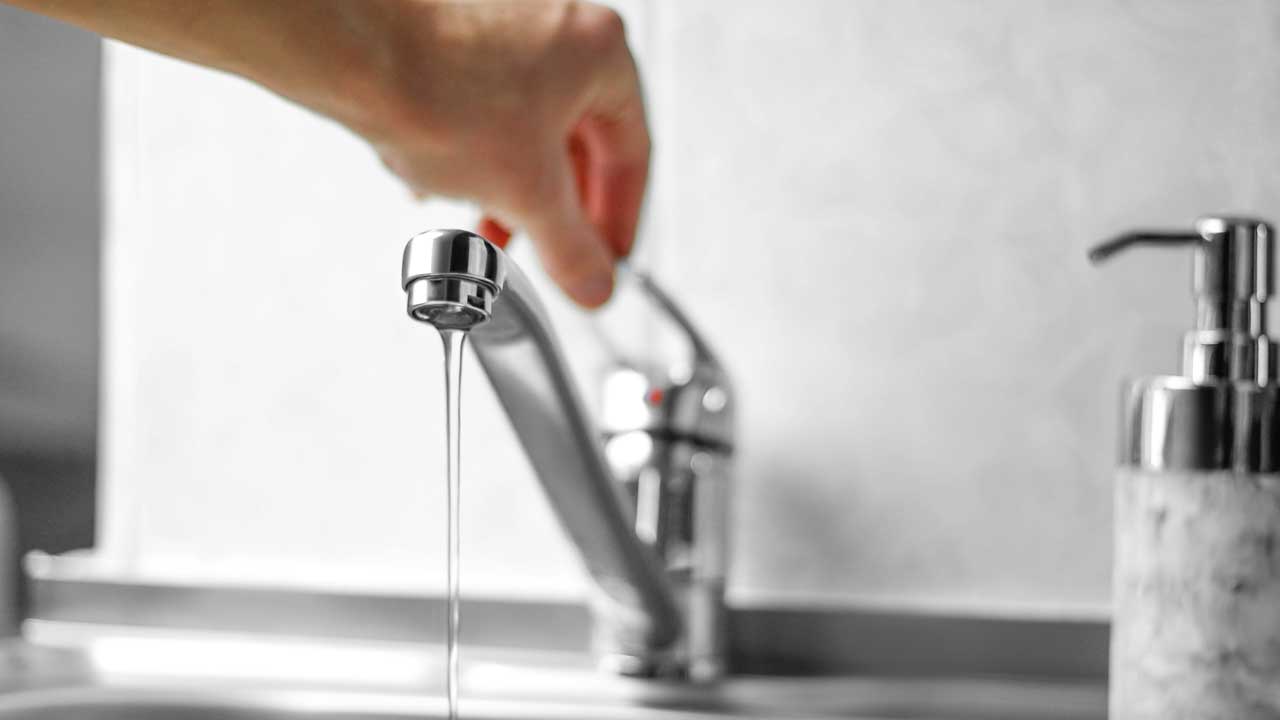
Is drinking tap water safe without additional filtration? Municipal treatment protects against acute illness, but many households choose additional filtration to address specific concerns such as taste, odor, chlorine, DBPs, hard water minerals, or emerging contaminants like PFAS. The best tap water filter comes down to your water quality.
Whole house water filter systems provide comprehensive protection at the point where water enters your home. A typical three-stage sequence includes sediment filtration (removing particles), activated carbon (addressing chlorine and taste), and specialized cartridges such as a polyphosphate media targeting hard water minerals.
If your municipality uses chloramine instead of chlorine, catalytic carbon filters are essential for effective reduction. Very high levels of either disinfectant or other chemicals and heavy metals are best treated with carbon media tanks or other specialized filters, just as salt-based water softeners are still the choice for handling particularly hard water or high flow water use.
For drinking water specifically, under-sink filters and reverse osmosis systems offer targeted solutions. Carbon block filters excel at removing chlorine, VOCs, and improving taste. Reverse osmosis provides the most comprehensive contaminant reduction available for residential use, removing 95–99 percent of total dissolved solids including fluoride, arsenic, lead, and PFAS compounds. These systems typically combine sediment pre-filtration, carbon filtration, and RO membrane technology in a multi-stage design. Even a humble refrigerator filter can help with some chlorine, bad odor, and taste.
The key is matching filtration to your actual water quality. Review your annual water quality report, consider EWG data for your area, and choose water filters certified to remove the specific contaminants present in your supply. Municipal treatment provides essential baseline protection for making tap water safe to drink, but home filtration lets you optimize water quality for your household's specific needs and preferences.
Is my tap water safe to drink?
What is the best tap water filter for removing contaminants?
How does municipal water treatment protect against bacteria?
Why does tap water taste different in different cities?
What is the best tap water filter for my home?
Is my tap water safe by zip code, or does it vary by city?
What's the difference between EPA standards and EWG's water quality guidelines?
Should I filter tap water if my city meets EPA standards?
RELATED PRODUCTS

Reverse Osmosis Filters
Choose from Tankless RO, Traditional Tank RO Systems, Countertop RO, and more!
Enhanced RO Filters Most TDS!
Check Out Our Remineralization Options!

Whole House Filters
The most advanced residential whole house water filter on the market!
Shower in filtered water!

Carbon Filter Cartridges
NSF-certified carbon water filters available in a variety of sizes, media, and micron ratings!
Improve Water Taste and Odor!
Save Even More with Case Packs!
