Whole House Water Filter Systems and Products for Water Dealers
 Andrew
August 10, 2026
#replacementfilters
#reverseosmosis
#waterdealer
#waterspecialist
#wholehome
#whole-house-filter
Andrew
August 10, 2026
#replacementfilters
#reverseosmosis
#waterdealer
#waterspecialist
#wholehome
#whole-house-filter
- Water dealers can build recurring revenue streams by stocking replacement filters alongside system installations
- Whole house systems require cartridge filters in standard sizes (10" and 20" lengths, 2.5" and 4.5" diameters) for sediment, carbon block, GAC, and catalytic carbon
- Reverse osmosis systems provide high-margin opportunities for dealers serving homeowners concerned about specific contaminants like PFAS and heavy metals
- Bulk purchasing wholesale water filters instead of retail runs improves margins 30–50% while passing savings to customers
Homeowner concerns about water quality continue to intensify. Lead contamination in aging municipal infrastructure. PFAS detection in wells and public supplies. Chloramine adoption by more water utilities. Each emerging issue drives demand for home water filtration. And that demand creates opportunities for water treatment professionals.
Water dealers, whether operating as dedicated water treatment companies, plumbing businesses, or well service contractors, increasingly recognize filtration as complementary to their service offering. The question isn't whether to stock filtration products, but which systems and replacement filters deliver value to customers while building profitable, recurring revenue for the business.
What Whole House Water Filter Systems Do Water Dealers Need?
Whole house water filter systems installed at the point-of-entry treat all water entering a home. These systems address sediment, chlorine, taste, odor, and specific contaminants depending on configuration. Water dealers can stock or specify systems in several categories.
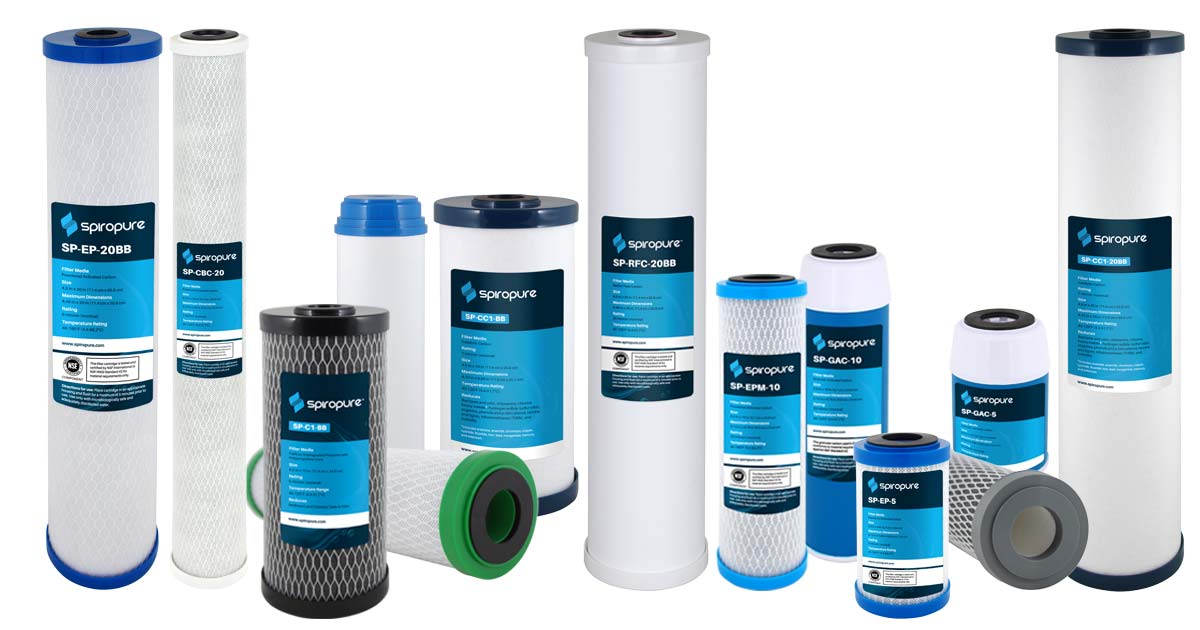
Multi-stage cartridge systems use standard housing sizes—10-inch and 20-inch lengths in both 2.5-inch (slim) and 4.5-inch ("Big Blue") diameters. These systems commonly include three stages: sediment pre-filtration, granular activated carbon for chlorine and taste removal, and carbon block for fine particle filtration and additional chemical reduction. The standardized cartridge sizes of water filters mean replacement filters are widely available and competitively priced.
The filter media determines performance. Sediment filters rated at 5 microns handle standard municipal water, while 1 micron options work for water with fine particulates, especially larger 4.5" diameter models to help maintain flow rates. For carbon filtration, granular activated carbon (GAC) provides high flow rates ideal for whole-house applications. Carbon block filters offer more thorough contaminant removal but with reduced flow, making them better suited for final-stage polishing or point-of-use applications.
Specialty applications require specific filter types. Homes served by municipal water treated with chloramines need catalytic carbon filters rather than standard activated carbon because only catalytic carbon chemically breaks down chloramine molecules. Well water with hydrogen sulfide (that distinctive rotten egg smell) also benefits from catalytic carbon's oxidation properties.
Large-volume systems using backwashing carbon tanks suit homes with high water consumption or severe contamination. These systems use cubic feet of loose carbon media and require professional sizing based on household usage, water quality testing, and treatment goals. The upfront cost is higher, but operational efficiency and longer service intervals can justify the investment for the right application.
Which Reverse Osmosis Systems Work for Residential Water Dealers?
Reverse osmosis systems provide the most comprehensive contaminant removal available for residential drinking water. These point-of-use systems install under kitchen sinks and reduce 95–99% of dissolved solids including fluoride, arsenic, lead, PFAS, and hundreds of other contaminants.
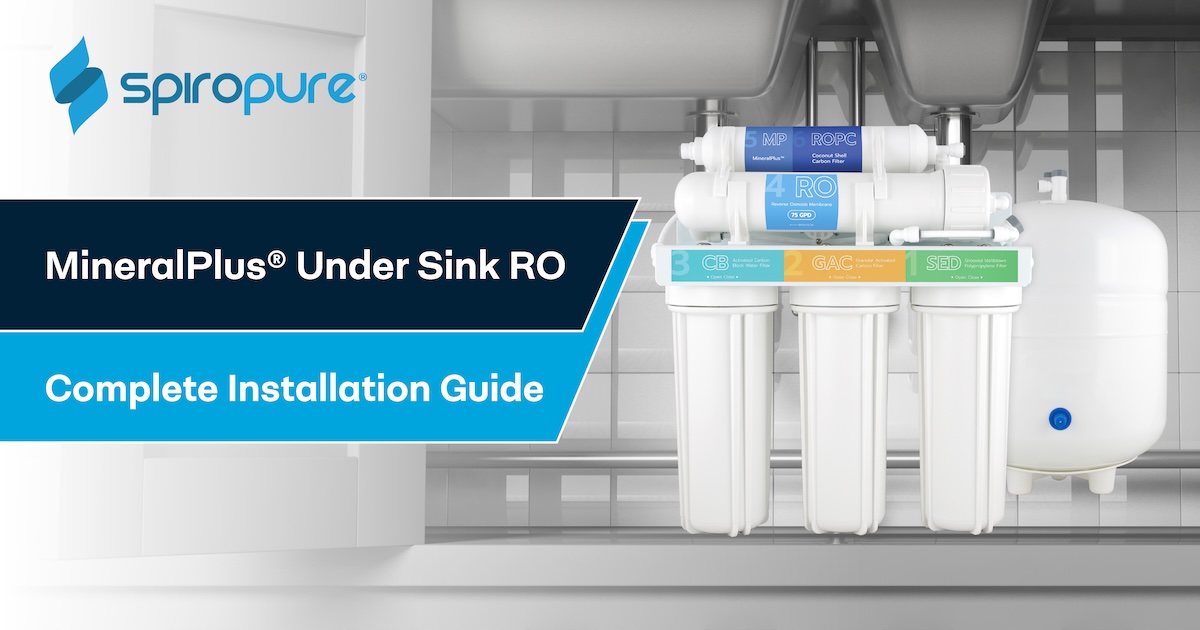
Water dealers benefit from understanding RO configurations. Traditional tank-based systems remain popular for their proven reliability and lower cost. Six-stage systems that include sediment pre-filtration, dual carbon stages, the RO membrane, remineralization media, and carbon polishing deliver exceptional water quality. Storage tanks ensure filtered water is always available.
We mentioned traditional tank-based systems above. They are inexpensive and relatively easy to install. Tankless RO systems, however, appeal to customers wanting to save under-sink space and have access to a grounded outlet. These systems use booster pumps to produce filtered water on demand at rates more than twice of traditional systems and without interruption.
Replacement filter sets for RO systems create predictable recurring revenue. Annual filter replacement $60–120 depending on system type. Traditional systems use universal cartridges your customers might as well source from you, while tankless models typically have proprietary cartridges you can stock and supply year after year. In some instances, private labeling can boost brand recognition.

How Do You Build a Profitable Replacement Filter Segment?
Many water dealers focus exclusively on installation revenue and overlook the recurring income opportunity replacement filters provide. This approach leaves money on the table while forcing customers to find filters elsewhere, often leading them to competitors or online retailers. You may be guilty of just sending them to Lowe's or Home Depot.
Strategic inventory management changes the business model. Stocking commonly installed filter sizes in sets of 6–12 cartridges ensures filters are available when customers call for service. The standard sizes—10-inch and 20-inch cartridges in slim and "Big Blue" configurations—cover the majority of residential installations. Keeping sediment, GAC, carbon block, and catalytic carbon filters in these sizes addresses most replacement needs. Having a few sets of replacement housing on hand is useful as well.
Bulk purchasing drives margin improvement
Here's where many dealers unnecessarily constrain their profitability. Running to the local big box store when customers need filter replacements is both inefficient and actively reduces margins. Big box retail pricing typically runs 30–50% higher than wholesale bulk pricing. That difference compounds: a $15–20 retail filter might be purchased wholesale for $9–10. Multiply that across dozens of installations and hundreds of filter changes annually.
Wholesale bulk purchasing typically requires minimum orders, often 12–24 filters per model, but the pricing advantage justifies maintaining that inventory. For dealers hesitant to stock significant inventory, starting with the three common filters (5 micron sediment, 20 micron GAC, 1 micron carbon block in 10-inch slim) covers a substantial percentage of replacement calls.
Volume purchasing also enables dealers to pass savings to customers while maintaining healthy margins. The customer saves money, the dealer improves margins, and the relationship strengthens through value delivery rather than price competition.
Customer education creates recurring revenue
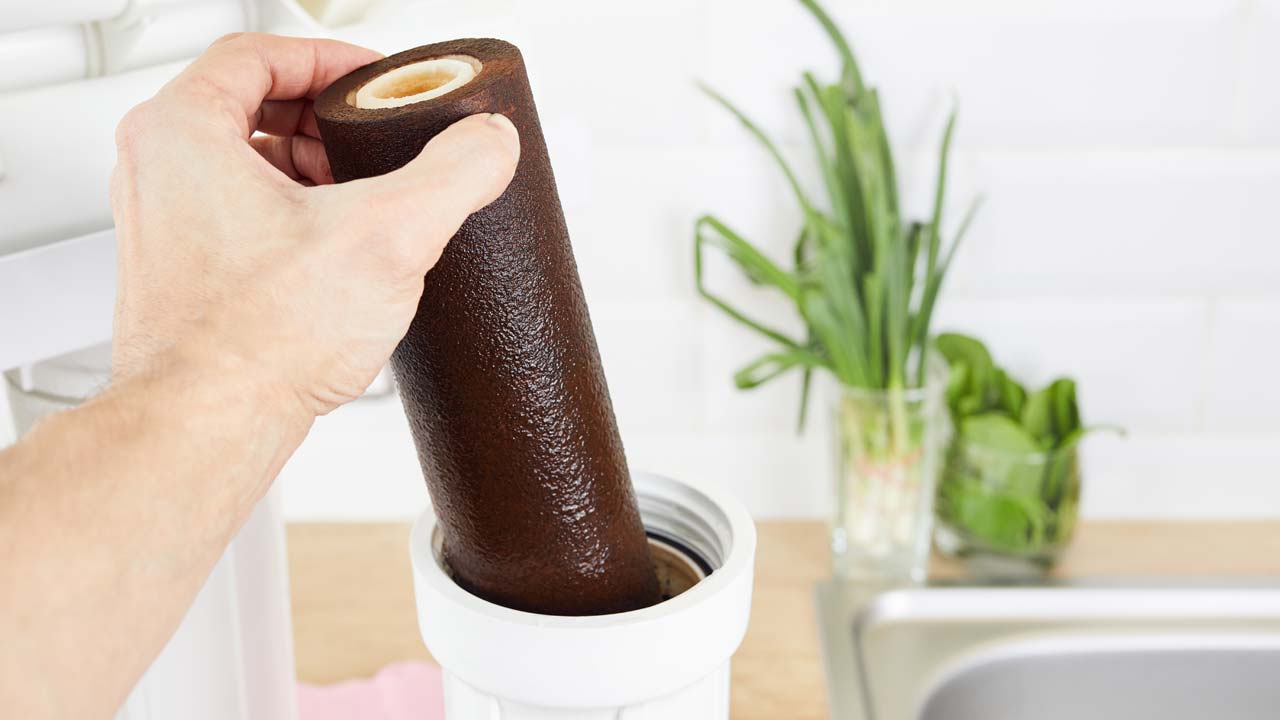
Water dealers who educate customers about proper filter replacement schedules build trust and predictable service revenue. Sediment filters typically need replacement every 2–6 months depending on water quality. Carbon filters should change every 6–12 months regardless of appearance, as their absorption capacity depletes even when they might still look clean.
Setting up annual service reminders or selling filter subscriptions transforms one-time installations into ongoing relationships. Dealers can offer discounted annual service packages that include filters, labor, and a system inspection. This approach guarantees revenue, ensures systems maintain performance, and positions the dealer as a long-term water quality partner rather than a transactional installer.
The water treatment industry continues growing as homeowner awareness of water quality issues increases. Water dealers who stock the right products, maintain strategic filter inventory through bulk purchasing, and build recurring revenue through replacement services position themselves for sustained profitability in an expanding market.
Learn more and browse other top products and filter categories for water dealers and inquire about wholesale pricing.
FAQs on Water Filter Products and Systems for Dealers
What certifications should I look for in water filter systems and individual filters?
How do I choose the right whole house water filter system?
Which filter removes chloramine from municipal water?
What's the difference between buying filters in bulk versus retail?
How often should replacement filters be changed?
RELATED PRODUCTS

Reverse Osmosis Filters
Choose from Tankless RO, Traditional Tank RO Systems, Countertop RO, and more!
Enhanced RO Filters Most TDS!
Check Out Our Remineralization Options!

Whole House Filters
The most advanced residential whole house water filter on the market!
Shower in filtered water!

Carbon Filter Cartridges
NSF-certified carbon water filters available in a variety of sizes, media, and micron ratings!
Improve Water Taste and Odor!
Save Even More with Case Packs!