Spot-Free Rinse for Car Wash: Replacement RO Membranes and Filters That Deliver Results
 Andrew
August 19, 2026
#carwash
#pre-filters
#reverseosmosis
#romembrane
Andrew
August 19, 2026
#carwash
#pre-filters
#reverseosmosis
#romembrane
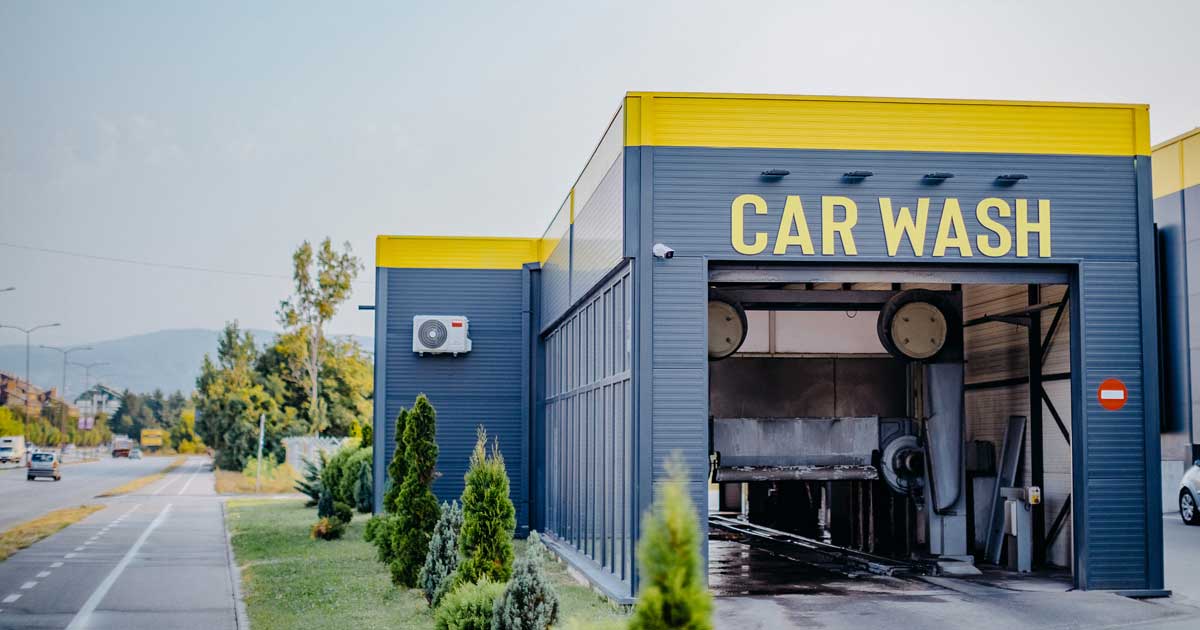
- Quality spot-free rinse systems rely on reverse osmosis to remove dissolved minerals that cause water spots, achieving 95–99% TDS reduction
- RO membranes (especially 4040 and 8040 sizes) and pre-filtration components are available from SpiroPure as quality aftermarket replacements at lower cost than OEM
- TDS monitoring helps determine when to replace RO membranes
- Sediment and carbon cartridge filters protect RO membranes
Why Spot-Free Rinse Matters for Car Wash Quality
A car wash spot free rinse system delivers what tap water can't: purified water that evaporates without leaving unsightly mineral deposits. Municipal water typically contains 100–400 parts per million (ppm) of total dissolved solids (TDS), with spotting from those notorious hard-water minerals calcium and magnesium. (Some areas have TDS as high as 800 ppm coming from the tap and may need additional filtration.) When this water dries on vehicle surfaces, those minerals remain as visible spots and streaks.
RO water car wash systems reduce TDS to near-zero levels, typically below 10 ppm and often under 5 ppm. This ultra-pure water sheets off vehicle surfaces cleanly, leaving no residue as it evaporates. The result: vehicles dry spot-free without additional labor.
Customer expectations have evolved. What once differentiated premium car washes now defines baseline quality in competitive markets. Vehicles with ceramic coatings, high-end paint finishes, and detailed trim work demand the best.
RO Membranes and Pre-Filtration: The Core of Your System
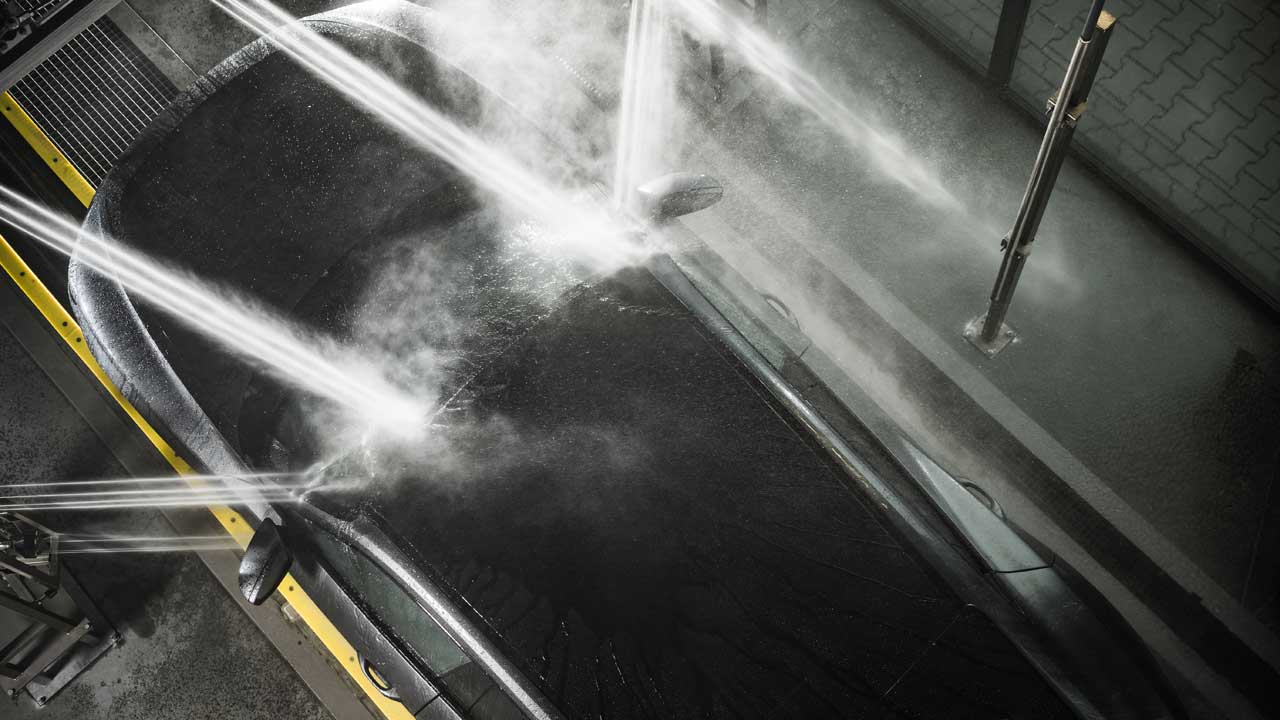
Your spot-free rinse system depends on three water filtration stages working in sequence: sediment removal, chemical reduction, and reverse osmosis purification. While RO membranes do the heavy lifting, pre-filtration protects your investment from potentially brackish water conditions.
Pre-Filtration
Sediment filters remove particles that would damage RO membrane surfaces. Depending on your system design and water source, you might use:
- Standard cartridge filters (10-inch or 20-inch housings)
- Big Blue style filters (20" x 4.5" for higher flow applications)
- Bag filters for very high-volume operations
Sediment filtration typically targets 5-micron particles or finer, preventing membrane fouling from dirt, rust, and debris in your water supply.
Carbon filtration removes chlorine and chloramines that degrade RO membranes. While high-volume operations often use carbon tanks with loose media, many car washes achieve effective chlorine reduction with cartridge-style carbon filters. Catalytic carbon cartridges handle chloramine particularly well.
Commercial RO Membranes: The Heart of Spot-Free Systems
Commercial RO membranes in 2521 (2.5" x 21"), 2540 (2.5" x 40"), and 4021 (4" x 21") membranes sizes serve smaller to mid-sized operations, while industrial RO membranes in 4040 (4" x 40") and large-format 8040 (8" x 40") configurations handle higher flow volumes typical of busy car wash facilities.
These membranes achieve 95–99% reduction in total dissolved solids. That level is sufficient for excellent spot-free results in most commercial applications. Note that some luxury detailing operations use deionization (DI) systems for near-absolute purity (learn more about deionized water), but standard RO filtration meets the needs of most professional car wash operators at significantly lower operating costs.
Quality aftermarket membranes that meet OEM specifications deliver reliable performance while reducing your replacement costs by 30–50 percent. For most systems, there is no reason to pay for OEM replacement membranes. The key is matching membrane size and capacity to your system's design. It's usually as simple as using a cross-reference chart, though model naming conventions can change over time. Size and operational pressure are usually enough to find the right membrane.

When to Replace RO Membranes and Filters
Monitoring TDS for Membrane Performance
Your RO membrane car wash TDS levels can tell you when replacement is needed. If not part of your system, utilize a TDS meter on your product water line and establish your baseline. RO typically delivers under 10 ppm for a near spot-free rinse.
When TDS gradually rises despite maintaining proper pre-filtration, your membrane has reached the end of its service life. Don't wait for complete failure. Replace membranes when TDS consistently exceeds your quality threshold, usually when readings climb noticeably above baseline and don't return after flushing the membrane or stabilize after normal usage. But be aware that changes to source water quality could also be a factor.
Pre-Filter Replacement Schedule
- Sediment filters: Replace every 3–6 months depending on source water quality and usage volume
- Carbon filters: Replace every 6–12 months or when chlorine breakthrough occurs
- Membrane housings and seals: Inspect during membrane changes and replace worn o-rings and gaskets
Maintaining fresh pre-filtration protects your RO membranes and extends their operational life. Membranes can last 2–4 years under proper operating conditions, sometimes longer with excellent source water quality and diligent maintenance.
Operational Cost Management
Smart operators balance three factors: water quality, membrane life, and replacement costs. Compatible replacement filters and membranes from All Filters deliver performance that meets OEM specifications while improving your bottom line.
Beyond filtration components, the EPA's WaterSense Best Management Practices can help you reduce overall water consumption and operational costs through system optimization and efficiency improvements.
At the end of the day, your spot free rinse car wash system is only as good as your filtration maintenance. Quality replacement RO membranes and pre-filters keep your system delivering the spot-free results your customers expect without the premium pricing of OEM components. Monitor your TDS, maintain your pre-filtration, and replace membranes before quality suffers. That's how you protect both your equipment investment and your reputation.
See our Top Sellers for Car Wash Operations and explore more water filters.
FAQs on Spot-Free Rinse for Car Wash: Replacement RO Membranes and Filters
What is spot-free rinse in a car wash, and why does it matter?
How does an RO water car wash system work?
What role do pre-filters play in a car wash spot-free rinse system?
What size RO membranes do commercial car washes need?
When should I replace my car wash RO membrane, based on TDS?
Are aftermarket car wash filters as good as OEM parts?
RELATED PRODUCTS
SpiroPure SP-BW4040 Brackish Water 4x40 Industrial RO Membrane Element
List Price: $199.80
Our Price: $99.90
Save: $99.90
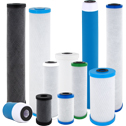
Carbon Filter Cartridges
NSF-certified carbon water filters available in a variety of sizes, media, and micron ratings!
Improve Water Taste and Odor!
Save Even More with Case Packs!

Industrial RO Membranes
Get the right replacement reverse osmosis membrane cartridge for your industrial RO system
Low pressure, high flow options!
Energy efficient models available!


