Do Air Conditioners Filter Smoke?
 Andrew
August 04, 2026
#airfilters
#HVAC
#hvacfilters
#indoorairquality
#MERV13
#wildfiresmoke
Andrew
August 04, 2026
#airfilters
#HVAC
#hvacfilters
#indoorairquality
#MERV13
#wildfiresmoke
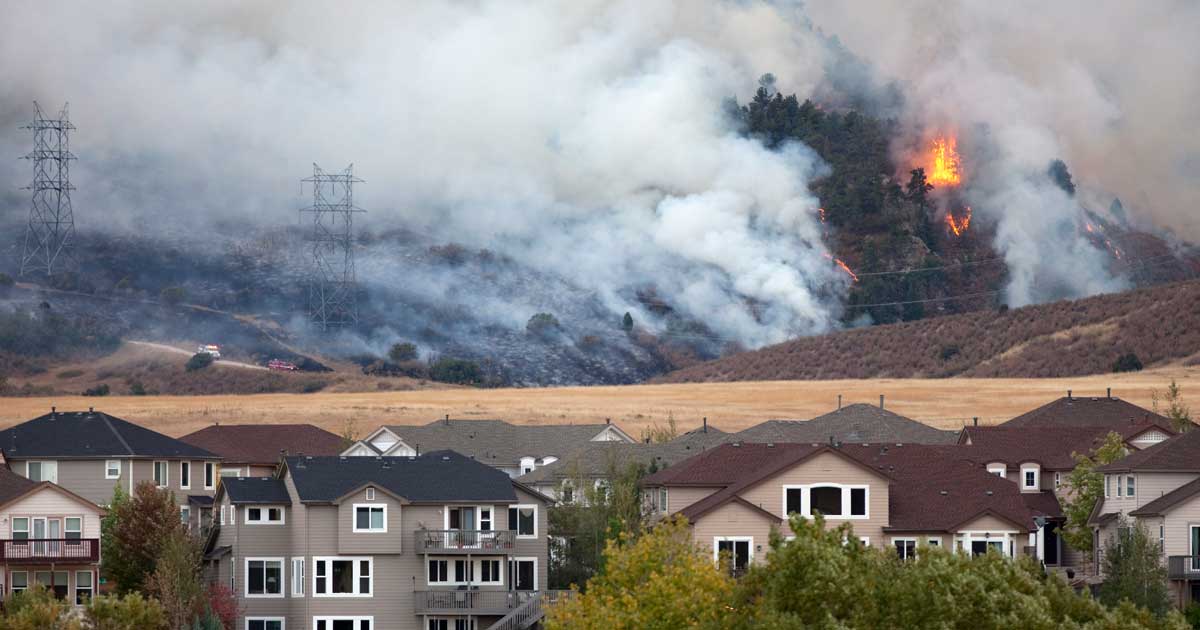
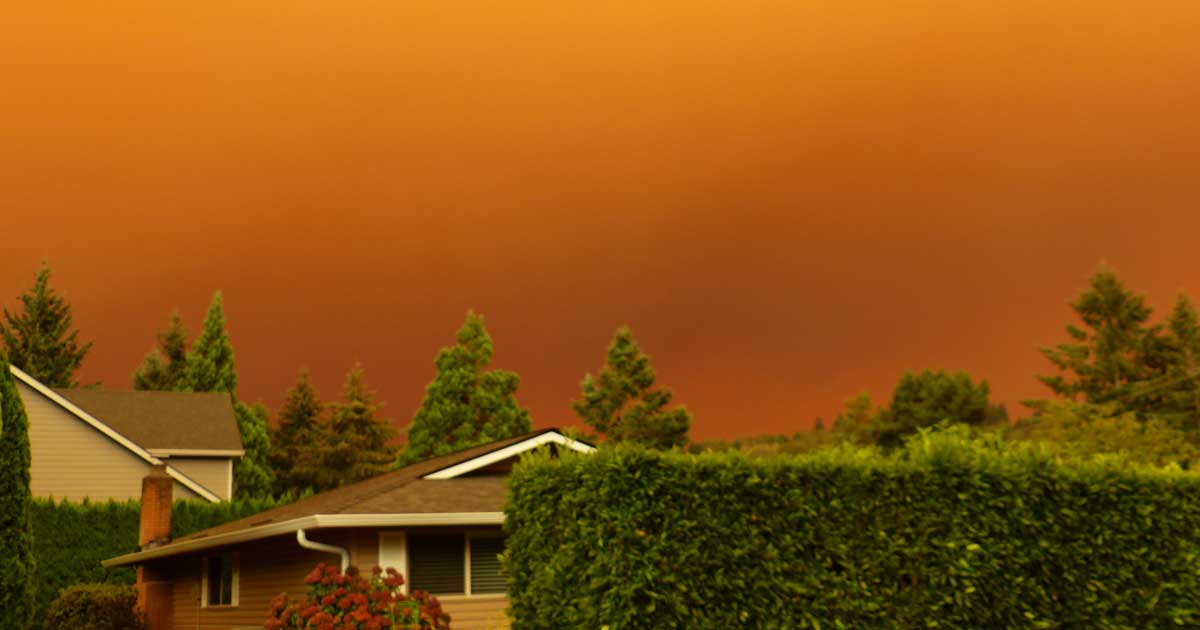
- Wildfire smoke can get into the house through doors, windows, and gaps and central AC can help filter and improve indoor air
- A MERV-13 rated filter handles the highest percentage of dangerous PM2.5 in smoke but not all systems can use MERV 13
- During smoke season or periods of high outdoor pollution, proactively check and replace AC filters
How Smoke Gets Inside When the AC Is Running
Running your air conditioner doesn't mean it automatically filters out smoke. Most central AC systems recirculate the air already inside your home rather than pulling in outdoor air, but that protection only holds if your home is well sealed.
Gaps around doors, windows, and other leaks can let smoky outdoor air in regardless of whether the AC is running. Leaky return ductwork, especially sections running through attics or crawlspaces, can also pull in unconditioned, and potentially smoky, air through any gap along the way. This happens because return ducts operate under negative pressure as the blower motor pulls air in.
Window AC units might be vulnerable, since gaps around the unit's installation in the window frame provide a direct path for outside air.
Portable air conditioners can add another challenge: single-hose models exhaust hot air outside, creating negative pressure indoors that pulls in replacement air, including smoke, through whatever cracks and gaps it can find.
What Type of AC Filter Helps Reduce Smoke?
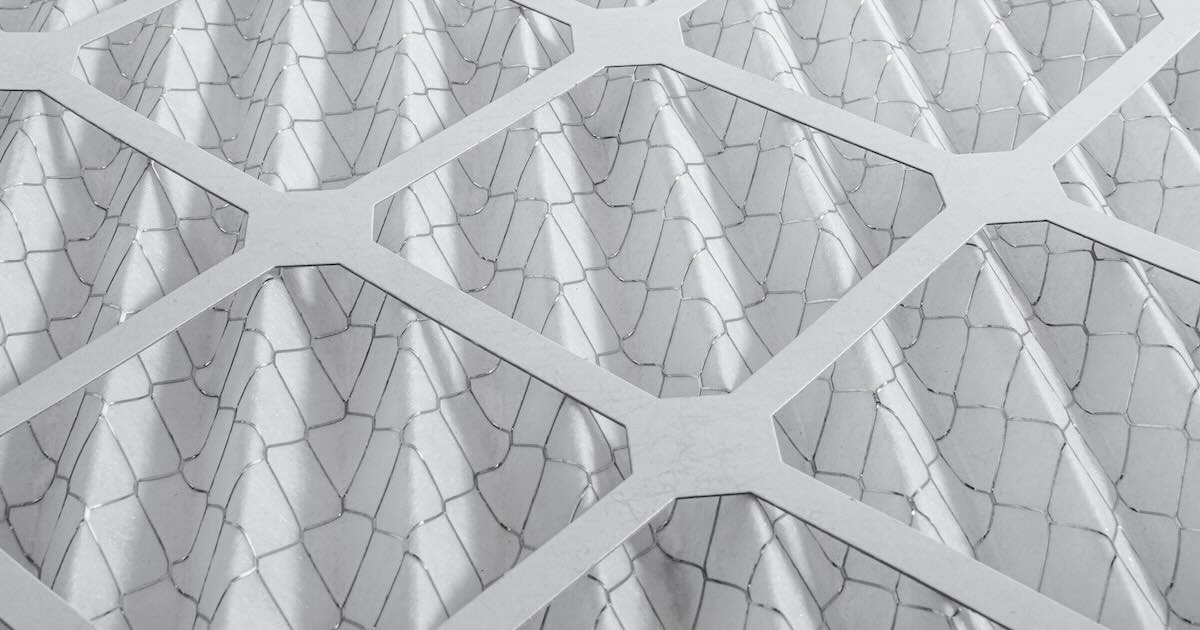
MERV (Minimum Efficiency Reporting Value) measures how effectively a filter captures particles of different sizes, on a scale from 1 to 20. For central AC and furnace systems, MERV 8 filters capture larger dust and pollen but let fine smoke particles pass through easily. MERV 11 improves capture of finer particulates but still misses much of the smallest smoke and soot. MERV 13 filters have the rating the EPA recommends specifically for wildfire smoke, since it captures a significantly higher share of the fine particulate matter (PM2.5) that smoke is made of. (Learn more about MERV in air filters in our complete guide.)
Before upgrading, confirm your system can handle it. A filter rated higher than your equipment supports restricts airflow and can strain the blower motor, so check your owner's manual or ask an HVAC technician if you're unsure. Many older systems are only rated for MERV 8 and shouldn't be pushed higher without a professional assessment.
Many window and portable AC units are different. Their built-in filters are typically basic washable mesh screens designed to protect the coil from dust, not swappable, high-efficiency media like central systems use. That means upgrading a window unit's filter to MERV 13 usually isn't possible. For these setups, a standalone HEPA air purifier placed in the room does the fine-particle work the unit's own filter can't.
When Should You Replace Your AC Filter During Smoke Season?
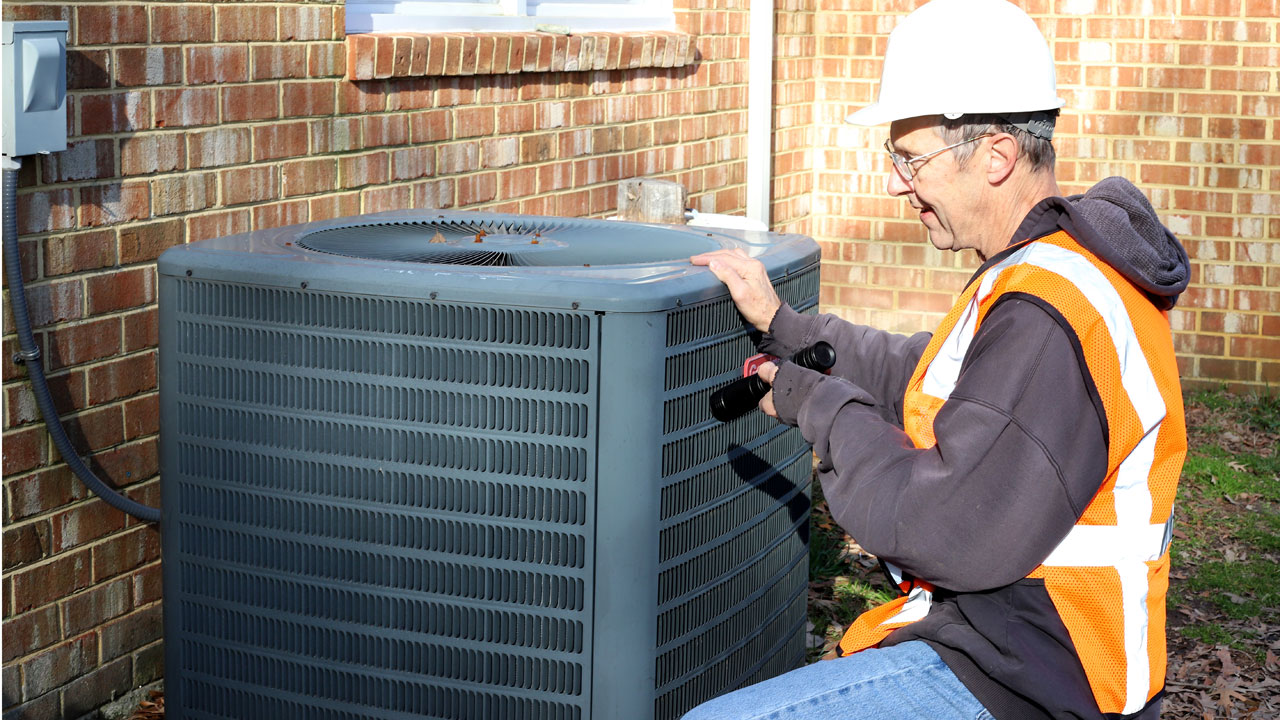
Smoke particles clog filters far faster than everyday dust, so smoke season calls for a different inspection rhythm than the rest of the year. Under normal conditions, a 1-inch or 2-inch filter lasts 60 to 90 days. During an active wildfire smoke event, that same filter may need replacing every 2 to 4 weeks if your air conditioning system is to keep up with filtering smoke from outside. Watch for visible discoloration and reduced airflow from your registers as reliable signs it's time sooner than the calendar suggests.
Before smoke season even starts, it helps to think a step ahead. All Filters' H.V.A.C. checklist breaks it down into four simple habits:
Have the right filter on hand, before you need it. Store shelves clear out fast once an air quality alert hits, so stock up on the correct MERV rating for your system ahead of the first smoke event.
Verify your MERV rating is right for your system. The EPA recommends MERV 13 for wildfire smoke, but systems designed for MERV 8 or lower may not handle the added airflow resistance. Check your system's specs before stepping up.
Act before air quality drops by inspecting filters now. A clogged filter doesn't just filter less during a smoke event, it can push trapped contaminants back into circulation.
Change filters on an accelerated schedule during smoke events, watching for the discoloration and airflow signs above rather than waiting for a scheduled date.
Ready to restock? Browse ac filter replacement options sized for your system before the next smoke advisory hits.
Expert Recommendation: Why Buy AC Filters from All Filters?
For smoke-related air quality concerns, the right AC filter comes down to two things: the highest MERV rating your system can safely handle, and a filter that actually fits. MERV 13 is the benchmark most homeowners should aim for during wildfire smoke season, since it's the rating the EPA specifically recommends for capturing fine smoke particles. But confirm HVAC compatibility first: a filter that restricts airflow beyond what your blower motor can handle causes more problems than it solves.
All Filters carries AC and furnace filters across the full range of sizes, MERV ratings, and depths, including standard 1-inch, 2-inch, and 4-inch options and custom dimensions for less common cabinet sizes. Whether you're maintaining a central HVAC system, a window unit, or comparing filtration options across your whole home, finding a properly sized, correctly rated replacement shouldn't be the hard part of getting ready for smoke season.
For a deeper dive into MERV selection, replacement schedules, and when to add a standalone air purifier for central HVAC systems specifically, see our complete guide to the best air filter for wildfire smoke.
FAQs on Does Air Conditioner Filter Smoke
Do air conditioners filter smoke from outside?
Should I run my AC when it is smoky outside?
What AC filter is best for smoke?
Can a window air conditioner filter smoke?
Do portable air conditioners bring smoke inside?
RELATED PRODUCTS

4" AC & Furnace Air Filters
Find 4" thick air filters in standard and custom sizes for your home HVAC or furnace system!
Breathe fresher, cleaner air at home!
BIG Savings with Case Packs!

2" AC & Furnace Air Filters
2-inch thick air filters in standard and custom sizes for geothermal, AC, furnace, HVAC systems and more!
Efficient, Effective Air Filtration
Save MORE with Super Value Case Packs!

Size #1 Bag Filters
A selection of liquid bag filters in size #1 with a variety of micron ratings to find the right solution for you!
Choose from Polypropylene or Polyester Felt
Find extra savings with Super Value Packs!