Does a Refrigerator Filter Remove Lead?
 Andrew
September 30, 2026
#carbonblock
#ionexchange
#lead
#refrigeratorfilter
#refrigeratorwaterfilter
#reverseosmosis
Andrew
September 30, 2026
#carbonblock
#ionexchange
#lead
#refrigeratorfilter
#refrigeratorwaterfilter
#reverseosmosis
- Not all refrigerator filters (sometimes listed as "fridge filters") reduce lead. Most standard filters are built for taste and odor, not heavy metals.
- If lead is a known concern in your water supply (and the refrigerator filter is your best or only option), look specifically for NSF/ANSI 53 certification with lead named as a reduced contaminant, not just a general "NSF certified" or "carbon filter" label.
- When a suitable refrigerator filter isn't available or more filtration in needed, a certified point-of-use system, like an under-sink reverse osmosis system, is a reliable alternative.
- If your home has aging plumbing, a lead service line, or pre-1986 solder, it's worth testing your water and choosing a filter certified specifically for lead.
- NSF/ANSI 42 (taste and odor) and NSF/ANSI 372 (lead-free materials) do not confirm that a filter removes lead from water.
How Do Refrigerator Filters Reduce Lead in Water?
Filters use different mechanisms for reducing impurities from water. Sediment filters are mechanical, acting as physical barriers to silt, dirt, and debris of varying microscopic sizes. Membranes used in reverse osmosis are made of an advanced semipermeable material that requires pressure to force water through it, allowing little more than pure water molecules to pass. Not to get ahead of ourselves, but RO is a strong option for removing lead at the point-of-use, typically meaning the kitchen sink.
At first glance, carbon falls into a gray area. Through a process called adsorption (yes, it's spelled right, and you can read all about it here), tiny pores on the surface of the activated carbon media cosplay as Velcro to hold onto a range of organic compounds and chemicals, waving everyone else through the door and into the nightclub. Without additional security, most lead is getting through the filter and into your ice maker and water glass. Ultimately, filtration effectiveness depends on the specific filter design, certification, and target contaminants.

LG LT1000P / LT1000PC Refrigerator Water Filter
LG ADQ36006101 / LT700P Refrigerator Water Filter
LG ADQ73613401 / LT800P Refrigerator Water Filter
Which Refrigerator Water Filters Can Reduce Lead?
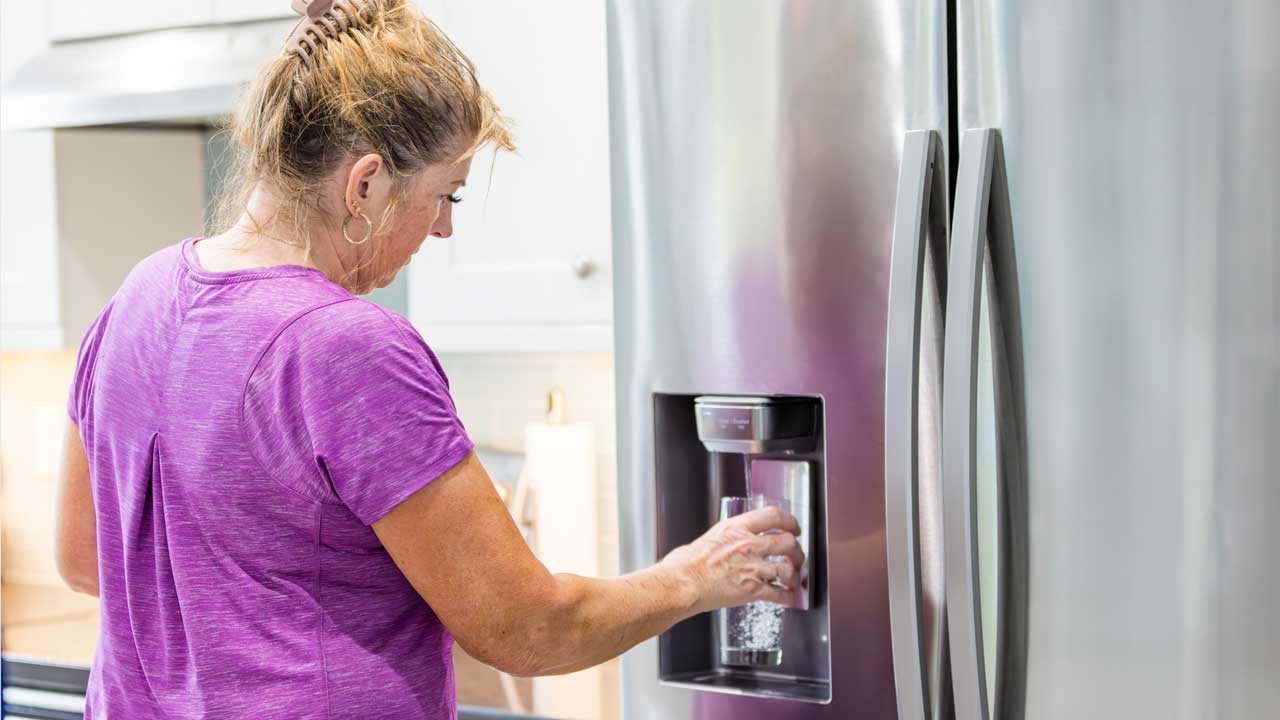
So let's get into it. Which refrigerator water filters can reduce lead? Look for the ones with NSF/ANSI 53 certification, or certification by a third party like IAPMO to meet NSF/ANSI 53 standards, for reduction of dissolved and particulate lead. Particulates are tiny, non-soluble bits of lead, usually shed from old pipes. But lead water chemistry is dynamic, and dissolved lead is all but guaranteed to be present too. While a quality aftermarket 0.5 micron refrigerator filter will mechanically prevent microscopic flakes of lead material from getting through, it isn't sufficient for the challenge.
Because NSF/ANSI 53 can handle more than 50 contaminant reduction protocols in official testing, a lead reduction filter might be paired with other microscopic contaminants like cysts, VOCs, and mercury based on the manufacturer's investment in certification. Those certified for lead, specifically, are typically high-density carbon blocks blended with a specialized ion-exchange media such as ATS (for Amorphous Titanium Silicate, if that wasn't on the tip of your tongue) to target dissolved lead.
This matrix of titanium, silicon, and oxygen atoms Voltron/Power Rangers into a super filter to defend against dissolved lead.
| Certification | What It Generally Covers | Does It Confirm Lead Reduction? |
|---|---|---|
| NSF/ANSI 42 | Aesthetic effects such as chlorine taste and odor | No |
| NSF/ANSI 53 | Health-related contaminant reduction claims | Only when lead is specifically included in the certified claim |
| NSF/ANSI 372 | Confirms no lead used in product manufacture | No — this does not mean the filter removes lead |
Look for NSF/ANSI 53 Lead Reduction Certification
NSF/ANSI 53 is the standard that matters most if lead is your primary concern, but keep in mind that the certification isn't a blanket guarantee. As mentioned, the standard covers numerous contaminants, and manufacturers choose which ones to test and certify. A refrigerator filter can carry NSF/ANSI 53 certification for cysts, VOCs, or mercury without ever being tested for lead specifically. Check the product packaging, the manufacturer's performance data sheet, or an independent certification database through NSF or IAPMO, to confirm that lead is specifically named.
Understand NSF/ANSI 42 and NSF/ANSI 372
Two other certifications commonly show up on refrigerator filter packaging, and both should not be mistaken for lead protection. NSF/ANSI 42 covers aesthetic effects, mainly the bad chlorine taste and odor that is absolutely worth filtering out, but not lead. NSF/ANSI 372 is often confused with a performance certification, but it importantly confirms that the filter's own materials meet "lead-free" manufacturing requirements.
What Should You Do if Your Refrigerator Filter Does Not Reduce Lead?
If your refrigerator filter does not reduce lead, don't panic. First, ask yourself: is my water a known source of lead? There's no need to swap for a more expansive filter if your municipally supplied water is good except for common aesthetic concerns like bad taste and odor from chlorine or disinfection byproducts (DBPs). Because long-term exposure to these chemicals may pose a health risk for some individuals, standard refrigerator filters are a great choice.
What happens downstream from the water treatment plant doesn't show up on the report. If you're in a home or neighborhood with aging piping infrastructure, your house or community may be at risk. Homes built before the 1950s without known updates are at high risk of having full or partial lead service lines leading into the home. Before 1986, when amendments to the Safe Drinking Water Act banned lead pipes and solder, copper pipes likely used lead solder.
But there still may not be a reason for alarm as service lines get replaced. Talk to your neighbors and collaborate on in-home tests, because it can be difficult to know when to act. And, sadly, lead contamination disproportionately affects children, though adults may also develop serious problems as the body absorbs lead into the bones and soft tissues.
Ultimately, if you have concerns about lead in your water, paying for a test will give you clarity and peace of mind. But upgrading to a filter certified for lead reduction and replacing it on schedule is another way to improve the health and overall quality of your drinking water.
In short, if you're unsure where you stand:
- Confirm whether lead is actually present through your water quality report or a home test.
- Check for a refrigerator-compatible filter specifically certified for lead reduction.
- Consider another certified point-of-use filtration method, like reverse osmosis, if a suitable refrigerator filter isn't available.
- Lastly, take a look at whether bottled water, despite the cost it carries, is the ideal option for drinking and cooking.
FAQs on Does a Refrigerator Filter Remove Lead?
Do all refrigerator water filters remove lead?
How do I know if my refrigerator filter removes lead?
What NSF certification should I look for to reduce lead?
How often should I replace a refrigerator filter that reduces lead?
Does NSF 372 mean a refrigerator filter removes lead?
RELATED PRODUCTS

Refrigerator Water Filters
Full line of filters available, including Whirlpool, LG, Samsung, Kenmore, Frigidaire, and more!
Drink Purer, Healthier Water!
Super Value Packs Available

Reverse Osmosis Filters
Choose from Tankless RO, Traditional Tank RO Systems, Countertop RO, and more!
Enhanced RO Filters Most TDS!
Check Out Our Remineralization Options!
Carbon Filter Cartridges
NSF-certified carbon water filters available in a variety of sizes, media, and micron ratings!
Improve Water Taste and Odor!
Save Even More with Case Packs!