Water Softener vs Water Filter: Which One Is Right for Home?
 Andrew
October 16, 2026
#descaler
#softwater
#waterfilters
#watersoftener
Andrew
October 16, 2026
#descaler
#softwater
#waterfilters
#watersoftener
Water Softener vs Water Filter at a Glance
A softener fixes hard water. A filter cleans up what else is in the water. Here's how they compare side by side:
| Feature | Water Softener | Water Filter |
|---|---|---|
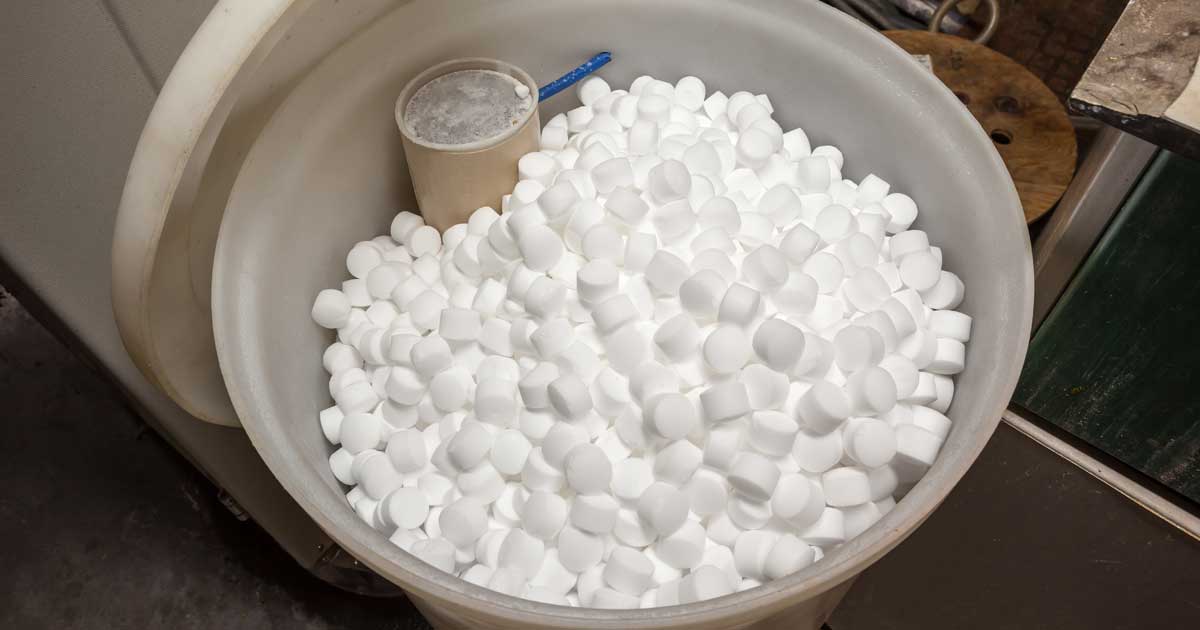
| How it works | Ion exchange: resin swaps calcium and magnesium for sodium | Traps or adsorbs contaminants with media such as sediment screens, carbon, or membranes |
| What it removes | Calcium and magnesium (hardness) | Depends on the media: sediment, chlorine, or other contaminants it is rated for |
| Problems it solves | Scale buildup, water spots, soap that won't lather | Bad taste and odor, sediment, specific contaminant concerns |
| Where it's installed | Whole house | Whole house or point of use |
| Upkeep and cost | Higher upfront cost and installation; ongoing salt and maintenance | Lower upfront cost, especially at point of use; ongoing cartridge replacement |
| Prevents hard-water scale? | Yes | Standard filters, no; softening-resin and descaler cartridges are the exceptions |
Can you use both? Yes, and plenty of homes do. The section on whether you need a softener, a filter, or both covers when that makes sense.
Water Softener vs Water Filter: Key Differences
Hard Water vs Contaminant Problems
Start with the problem you're trying to solve. It's solid advice in water treatment. Hard water is a mineral issue: dissolved calcium and magnesium leave scale in pipes and water heaters, spots on glass, and soap that won't lather. That's typically a softener's job. Contaminant problems are different, like chlorine taste, sediment, or a specific contaminant you've tested for. That's what filtration handles. A softener won't necessarily improve taste (for most people) or catch sediment, and a standard filter won't soften water, so matching the tool to the symptom matters more than picking a winner. Still, hard water and water contaminants often get grouped together on water tests and reports.
What Each System Treats
- Water softener: hardness minerals only. It doesn't remove chlorine, sediment, or other contaminants.
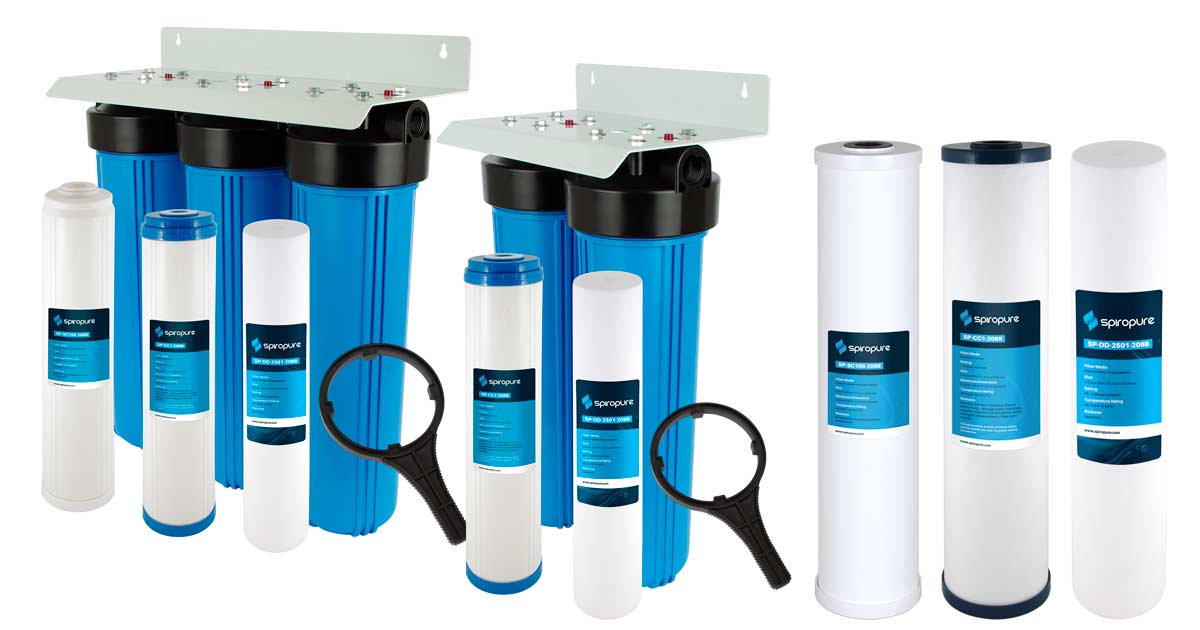
- Water filter: whatever its media is built for. Sediment filters catch particles, carbon filters reduce chlorine, taste, and odor, and reverse osmosis membranes reduce dissolved solids. Match the media to your concern and look for certification for the specific contaminant.
Can a Water Filter Replace a Water Softener?
Usually not. The mechanisms, target contaminants, and results are so different that there's rarely a one-to-one swap and it often gets people in trouble when they ask too much of a particular product or system. Two kinds of specialty cartridges come close in certain situations. A descaler cartridge, such as a polyphosphate filter with slow-dissolving beads, keeps scale from building up on pipes and fixtures, but the minerals stay in the water, so you lose the better lather and laundry that soft water brings.
A water softening filter uses ion-exchange resin like a full softener, in a cartridge that fits a standard filter housing. Very hard water in a high-use household can overwhelm either one or force frequent replacements, which is why softeners remain the better fit for large volumes and flow thanks to larger volume of softening resin and backwashing capabilities. For the full breakdown, see our guide to descalers versus water softeners.
Do You Need a Water Softener, a Water Filter, or Both?
Let your symptoms and a water test point the way. Guessing is how people end up treating the wrong problem.
Choose a Water Softener When
- Scale builds up on fixtures, showerheads, or inside kettles
- Water spots show up on dishes and glass
- Mineral deposits appear around the house from cleaning water
- Soap won't lather well
- You're worried about hard water wearing on appliances (which it can!)
If a softener is the answer, sizing matters. Our guide on what size water softener do I need walks through it.
Choose a Water Filter When
- You notice a chlorine taste or odor
- You have a specific contaminant concern
- Sediment clouds the water or clogs fixtures
- Drinking-water quality is the priority
When Using Both Makes Sense
If your home has hardness and contaminant concerns, the two systems complement each other. A softener won't remove chlorine or contaminants, and a filter won't stop scale. Order depends on the problem: with chlorinated water, a filter ahead of the softener helps protect the resin. Same is true for high-sediment water such as well water: filter that sediment out before the softener. Many homes also pair a whole-house softener with a point-of-use filter for drinking water, including reverse osmosis with remineralization for optimal taste.
Once you know which problem you're solving, finding the right water filter is the easy part.
FAQs on Water Softener vs Water Filter
Is a water softener the same as a water filter?
What is the difference between a water softener and a water filter?
Does a water softener filter out contaminants?
Do I need a water softener and a water filter?
Which is better, a water softener or a water filter?
Is a descaler the same as a water softener?
RELATED PRODUCTS
Carbon Filter Cartridges
NSF-certified carbon water filters available in a variety of sizes, media, and micron ratings!
Improve Water Taste and Odor!
Save Even More with Case Packs!

Descaler Filters
Salt-free descaler media prevents the formation of scale and hard water on plumbing
Low Maintenance Scale Prevention
Won't Affect Taste of Water!

Whole House Filters
The most advanced residential whole house water filter on the market!
Shower in filtered water!