Well Water vs City Water: Pros, Cons, and Filtration Differences
 Andrew
July 01, 2026
#citywater
#comparison
#municipalwater
#waterconfidence
#waterqualityreport
#watertest
#wellwater
Andrew
July 01, 2026
#citywater
#comparison
#municipalwater
#waterconfidence
#waterqualityreport
#watertest
#wellwater
- City water is treated and regulated by the EPA under the Safe Drinking Water Act; well water is the homeowner's responsibility entirely.
- Both well and city water have documented contaminant concerns that filtration can address, though America's municipal water treatment infrastructure is built to produce microbiologically safe water at the tap.
- Well water owners typically need annual testing, sediment and carbon filtration, and often UV disinfection for biological safety.
- City water users benefit from regulated treatment but may want to reduce chlorine, disinfection byproducts, lead from aging pipes, or PFAS at the point of use.
Well Water vs City Water: Pros and Cons of City Water
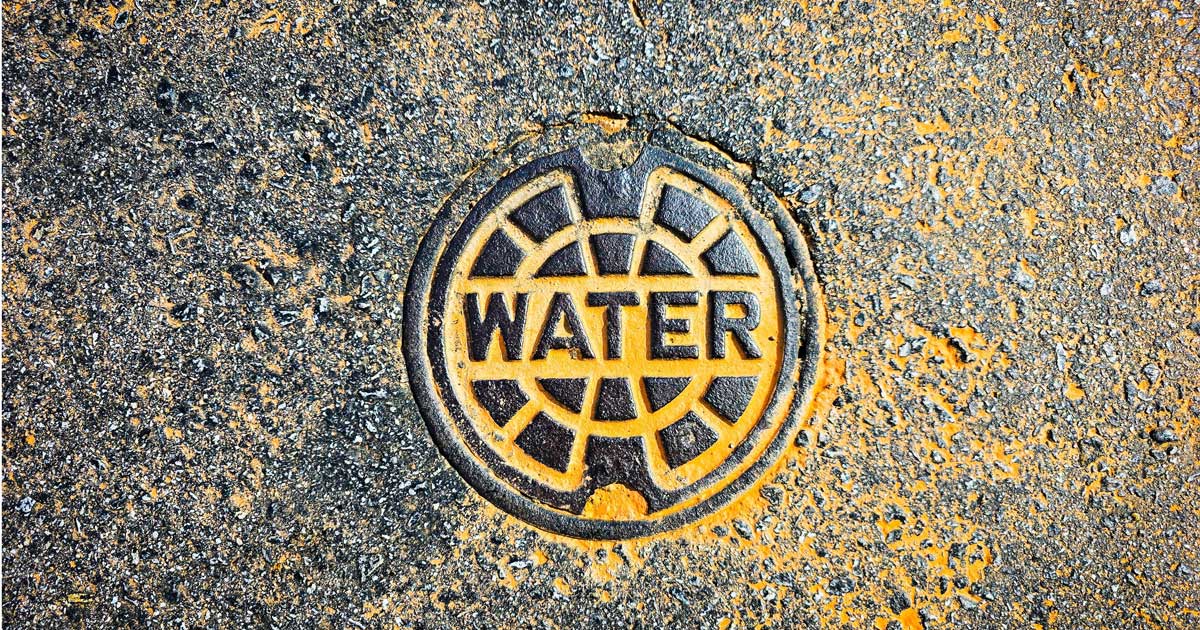
Municipal water is treated, tested, and regulated before it reaches your tap. For most Americans, that oversight has been one of the great public health achievements of the 20th century. Waterborne illness outbreaks that were once common have become rare. That baseline of safety comes with some trade-offs worth knowing.
- Regulated and routinely tested. Municipal suppliers are required to publish annual water quality reports and meet EPA maximum contaminant levels. You have access to data about your water that well owners must generate themselves.
- Widespread reliability. While every region has its own blend of water quality issues to address, America's municipal water treatment infrastructure is built to produce and distribute microbiologically safe water to customers.
- No maintenance or testing costs. Treatment, infrastructure, and compliance are handled by the utility. In return you get a monthly water bill.
- Chlorine taste, odor, and exposure. Chlorine and chloramines are added as disinfectants and are effective, but their taste and odor and long-term low-level exposure in the shower or bath damaging hair and skin are the most common complaints about city water. (Carbon media such as whole-house cartridges and refrigerator or showerhead filters help resolve these issues.)
- Old infrastructure introduces new risks. Pipes between the treatment plant and your tap can leach lead or copper, particularly in homes built before 1986. What leaves the plant clean doesn't always arrive that way.
- Emerging contaminants aren't always monitored. PFAS, some disinfection byproducts, and pharmaceutical traces can pass through municipal treatment at low levels. Compliance with legal limits doesn't mean absent, and many consumers add water filters to their home to reduce and remove impurities.
For a closer look at city water treatment and what it does and doesn't remove, see our guide on tap water safety.

Well Water vs City Water: Pros and Cons of Well Water
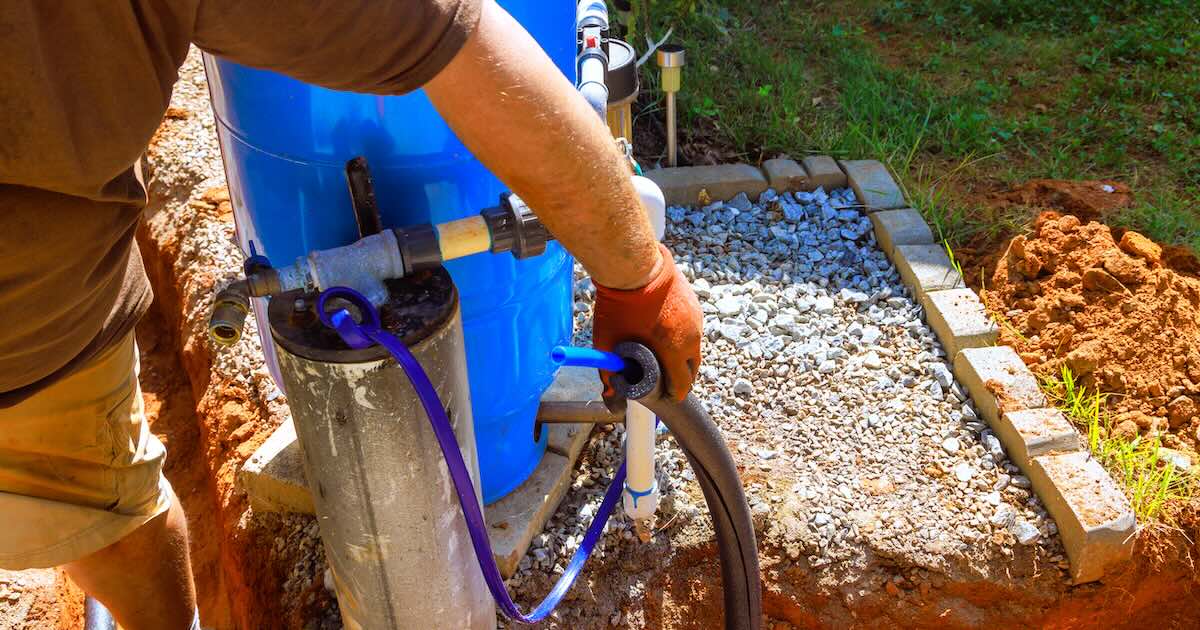
Private wells draw directly from groundwater. No treatment plant, no monthly water bill, no chlorine or chloramine by default. For the roughly 15% of Americans on private wells, that independence comes with real responsibility. Well water quality varies significantly by geography, geology, and land use nearby, and it can change without warning.
- No monthly water bill. The upfront cost of a well and filtration system is offset over time. Many well owners take genuine pride in managing their own water supply.
- Naturally mineral-rich. Well water often contains beneficial calcium and magnesium from the surrounding geology. In areas without heavy contamination, it can taste clean and fresh without treatment.
- No added chemicals. Absent the chlorine and fluoride of municipal treatment — a plus for households with specific sensitivities, though it also means no built-in biological protection.
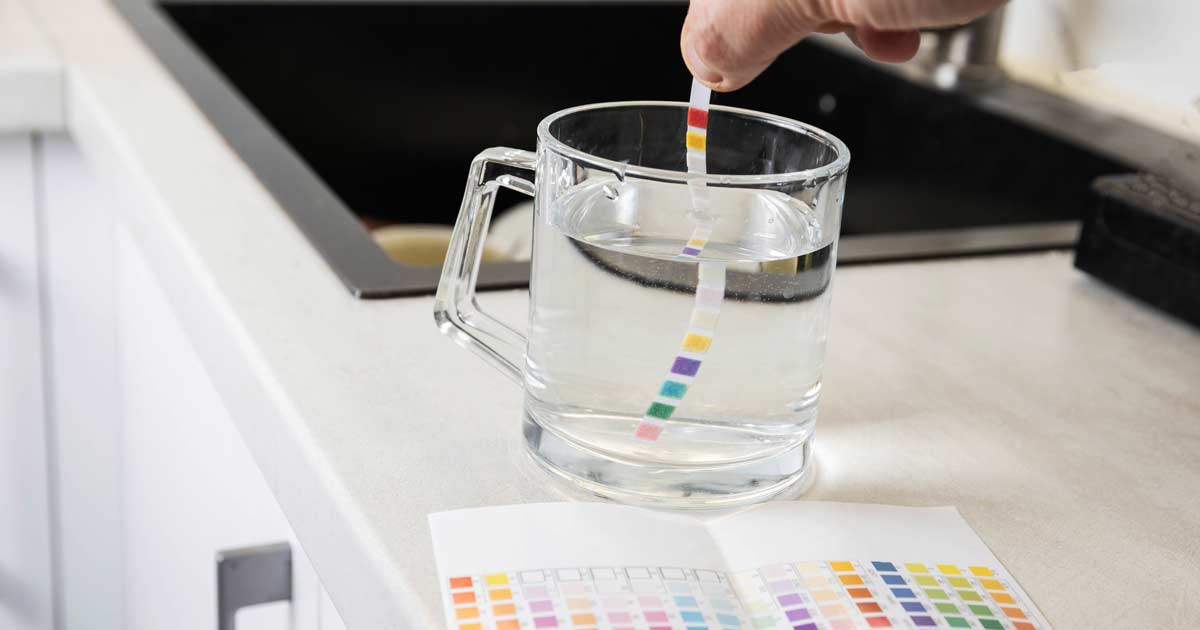
- Annual testing is essential. Unlike city water, there's no regulatory backstop. Bacteria, nitrates, arsenic, iron, and hardness all require homeowner testing to detect. Conditions can change after flooding, nearby agricultural activity, or infrastructure changes.
- Filtration and often disinfection are necessary. Most well water benefits from at minimum a sediment and carbon whole-house system. Confirmed bacterial contamination requires UV treatment or another disinfection method after all filtration stages.
Well water owners can go deeper with our guides on well water safety and how to filter well water and water testing, linked below.
Is City Water Better Than Well Water?
In the city water versus well water throwdown, the winner depends on point of view. City water offers consistent, regulated safety without ongoing testing obligations. Well water offers independence, no monthly bill, and no added chemicals, but puts water quality entirely in the homeowner's hands.
Many well water owners take genuine pride in their water and managing its quality. Backup pump or power systems can ensure uninterrupted flow during power outages. Meanwhile, even treated municipal water sometimes gets contaminated. Boil notices still happen in cities of all sizes, and the long-term health consequences of exposure to disinfection byproducts and other chemicals in city water are documented and increasingly better understood. Neither source is inherently safe without attention.
The more useful question is what's actually in your water and what you want to do about it. Consumers can take both sources into their own hands with point-of-use solutions — refrigerator filters, under-sink reverse osmosis, showerhead filters — or whole-house systems, and usually a smart combination of both. If you're serious about understanding your water, pair our guide on accessing your utility's Consumer Confidence Report with our story on how to test your water at home.
The right water filter for your household starts with knowing your source.
FAQs on Well Water vs City Water
Is well water safer than city water?
Why does my city water smell like bleach?
Which water source is better for your skin and hair?
Does well water need to be filtered?
What are the most common contaminants in city water?
RELATED PRODUCTS

Carbon Filter Cartridges
NSF-certified carbon water filters available in a variety of sizes, media, and micron ratings!
Improve Water Taste and Odor!
Save Even More with Case Packs!

Whole House Filters
The most advanced residential whole house water filter on the market!
Shower in filtered water!

Reverse Osmosis Filters
Choose from Tankless RO, Traditional Tank RO Systems, Countertop RO, and more!
Enhanced RO Filters Most TDS!
Check Out Our Remineralization Options!